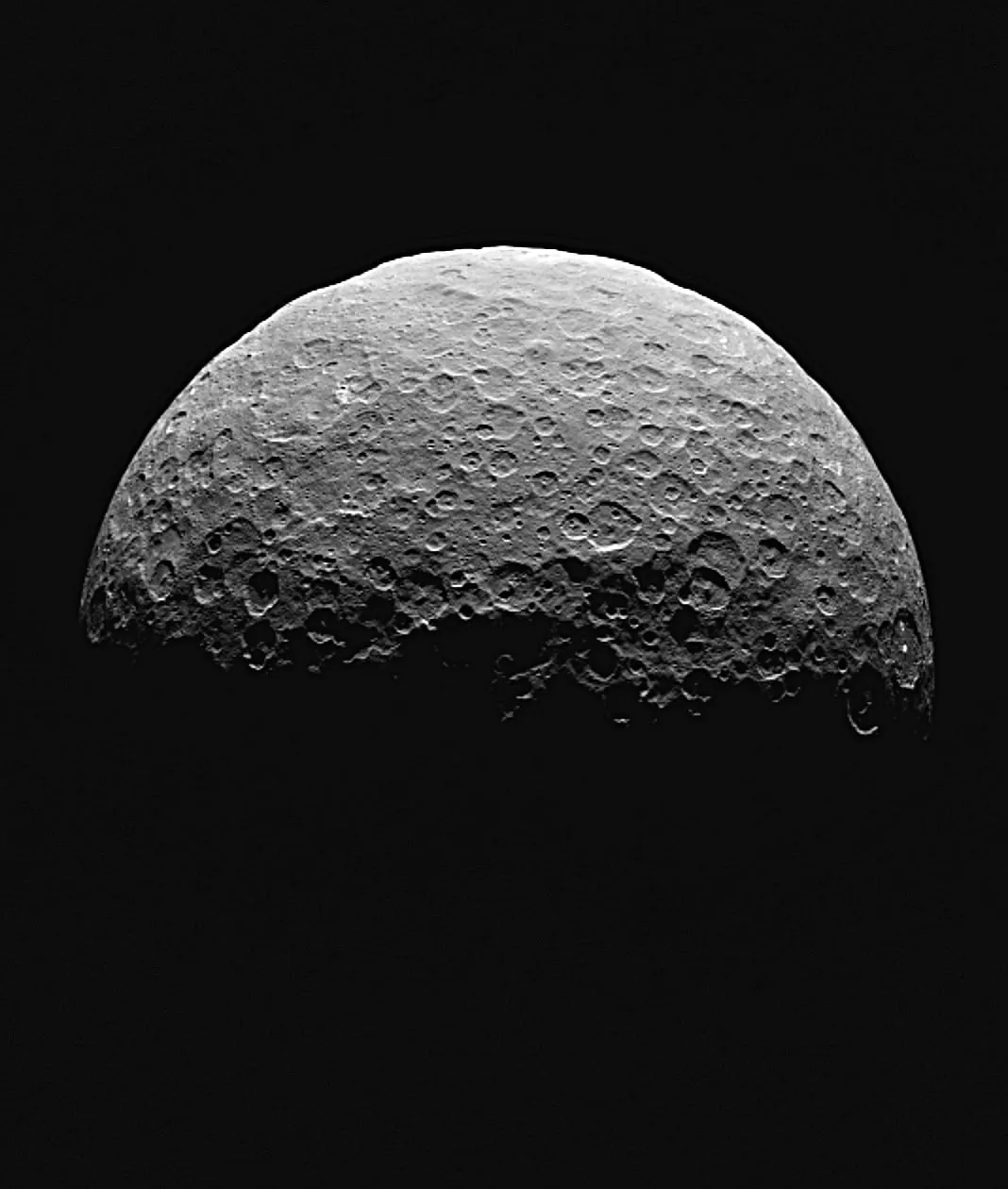
The Main Asteroid Belt's First Discovery
Holding the distinction of being the first object discovered in the Main Asteroid Belt, the dwarf planet Ceres has long occupied a special place in astronomical history. Located in the vast region between Mars and Jupiter, this unique body contains vital scientific clues about the early formation of our solar system.
While historically studied primarily through remote observation and robotic exploration, Ceres is now coming to the forefront of space exploration and transport strategies. Its strategic location makes it a natural focal point for expanding human and robotic reach into deep space.
Project CERES and Nuclear Transport Vision
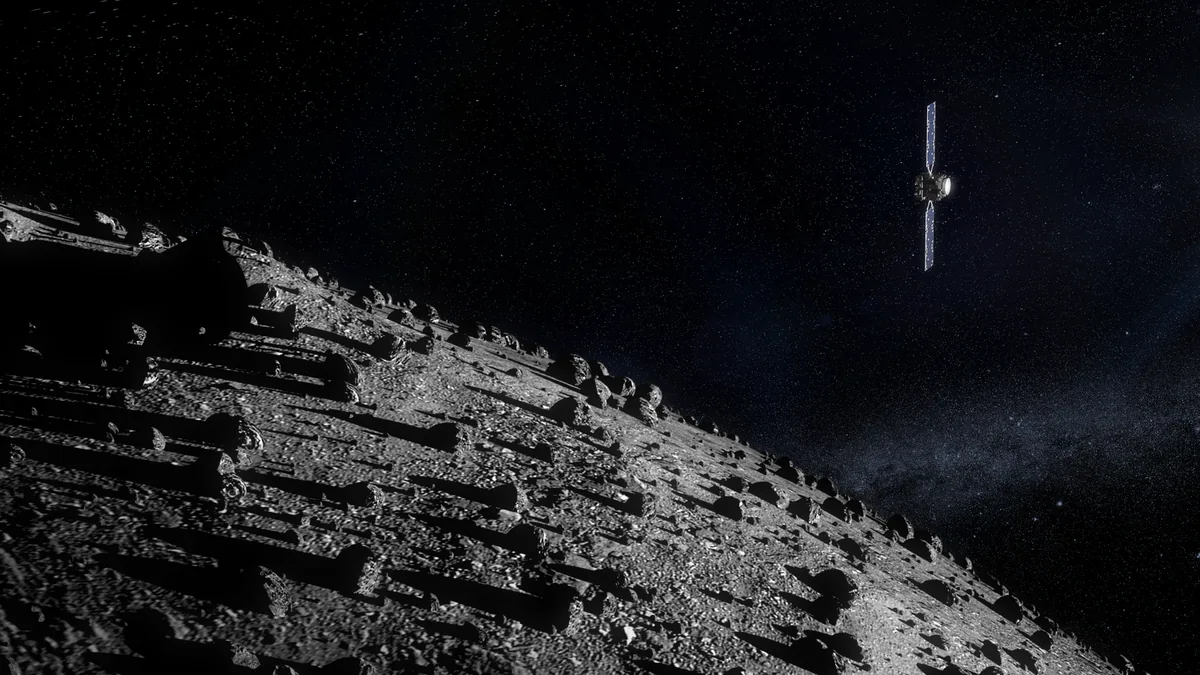
Proponents of a new initiative dubbed 'Project CERES' suggest that this dwarf planet could play a revolutionary role in establishing next-generation space logistics. The initiative proposes leveraging nuclear pathfinder mission concepts to transform interplanetary transportation systems.
Under the Project CERES proposal, the dwarf planet could serve as a vital stepping stone and infrastructure hub for journeys heading toward the outer reaches of the solar system. The integration of advanced propulsion technologies aims to usher in a new era of space travel capabilities.
Faster and Cheaper Interplanetary Transport
If successfully realized, the Project CERES initiative would open the outer solar system to a significantly faster and cheaper means of interplanetary transport. Overcoming the cost and time barriers of traditional spaceflight could drastically enhance the scope of deep space exploration.
This innovative approach to space transport promises to unlock unprecedented access to the outer solar system. By providing a more efficient infrastructure, it could accelerate humanity's ability to explore distant planetary systems and resources.
Comments
Loading comments...