The Moon, planets, space weather, upcoming launches and close-approaching asteroids, recalculated every three hours.
Live sky chart
Hold it over your head: north is up and east is left. The rim is the horizon, the centre straight overhead. Zoom with the wheel or two fingers, drag to move around.
Star data: HYG · d3-celestial
Who is up tonight, and when
full dark twilight low, under 15°
What to look at tonight
Times fall within tonight’s dark hours, from an hour after sunset to an hour before sunrise. Direction and height are for the best time.
Tonight’s sky
Istanbul · October 18, 2026 ·
First quarter
Moon age: 7.7 days
Illuminated
47%
Sunrise · sunset
07:18 · 18:19
First quarter
Oct 18 · today
Full moon
Oct 26 · in 8 days
Moon calendar
18Su
19Mo
20Tu
21We
22Th
23Fr
24Sa
25Su
26Mo
27Tu
28We
29Th
30Fr
31Sa
1Su
2Mo
3Tu
4We
5Th
6Fr
7Sa
8Su
9Mo
10Tu
11We
12Th
13Fr
14Sa
15Su
16Mo
Orange frame: full moon. Dashed frame: new moon.
Planets
Mercuryevening sky0.89 AU
Venuslost in the Sun0.28 AU
Marsmorning sky1.54 AU
Jupitermorning sky5.70 AU
Saturnall night8.46 AU
Uranusmorning sky18.66 AU
Neptuneall night28.96 AU
Uranus and Neptune need binoculars or a telescope.
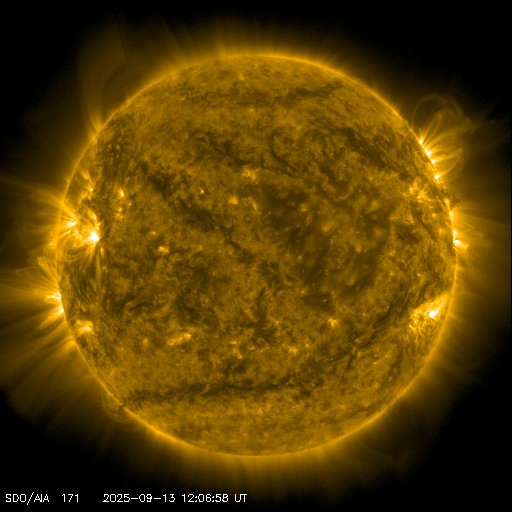
The Sun right now
Biggest flare this week
C6.9 · Oct 14 05:21
Latest flare
C3.7 · Oct 18 09:44
Flares in 7 days
60 · 0 strong (M/X)
Sunspot number
87 (2026-10-17)
Flare classes run A, B, C, M and X from weakest to strongest; X-class flares can cause radio blackouts on Earth.
Reading: 09:00–12:00 Istanbul time, NOAA. Kp is a three-hour index, renewed every three hours.
Highest forecast in the next 24 h: Kp 4.7
NOAA SWPC
The ISS right now
Lat · long
…
Altitude
…
Speed
…
Light
…
Visible passes · Istanbul
Working them out…
In space right now 10 people
Lai Ka-yingCNSA
Zhang ZhiyuanCNSA
Zhu YangzhuCNSA
Joshua KutrykCSA
Anil MenonNASA
Jessica WatkinsNASA
Luke DelaneyNASA
Anna KikinaRFSA
Pyotr DubrovRFSA
Sergey TeteryatnikovRFSA
The orange dot is your city; the shaded part is night. Solid line: the last orbit; dashed: the next. Passes are approximate; be outside a few minutes early.
The Artemis II crew has been awarded the prestigious Stephen Hawking Medal at the Starmus Festival. The astronauts join an elite roster of honorees recognized for excellence in science communication.
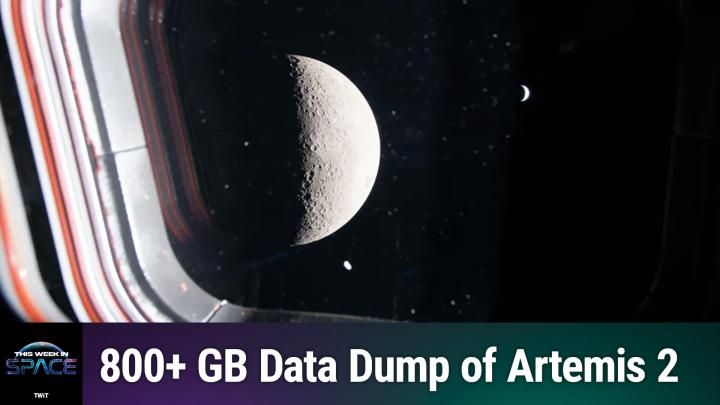
In Episode 232 of the This Week In Space podcast, hosts analyzed the recent large data dump from the Artemis II mission. Expert contributors discussed preparation milestones and technical details of the lunar flight.
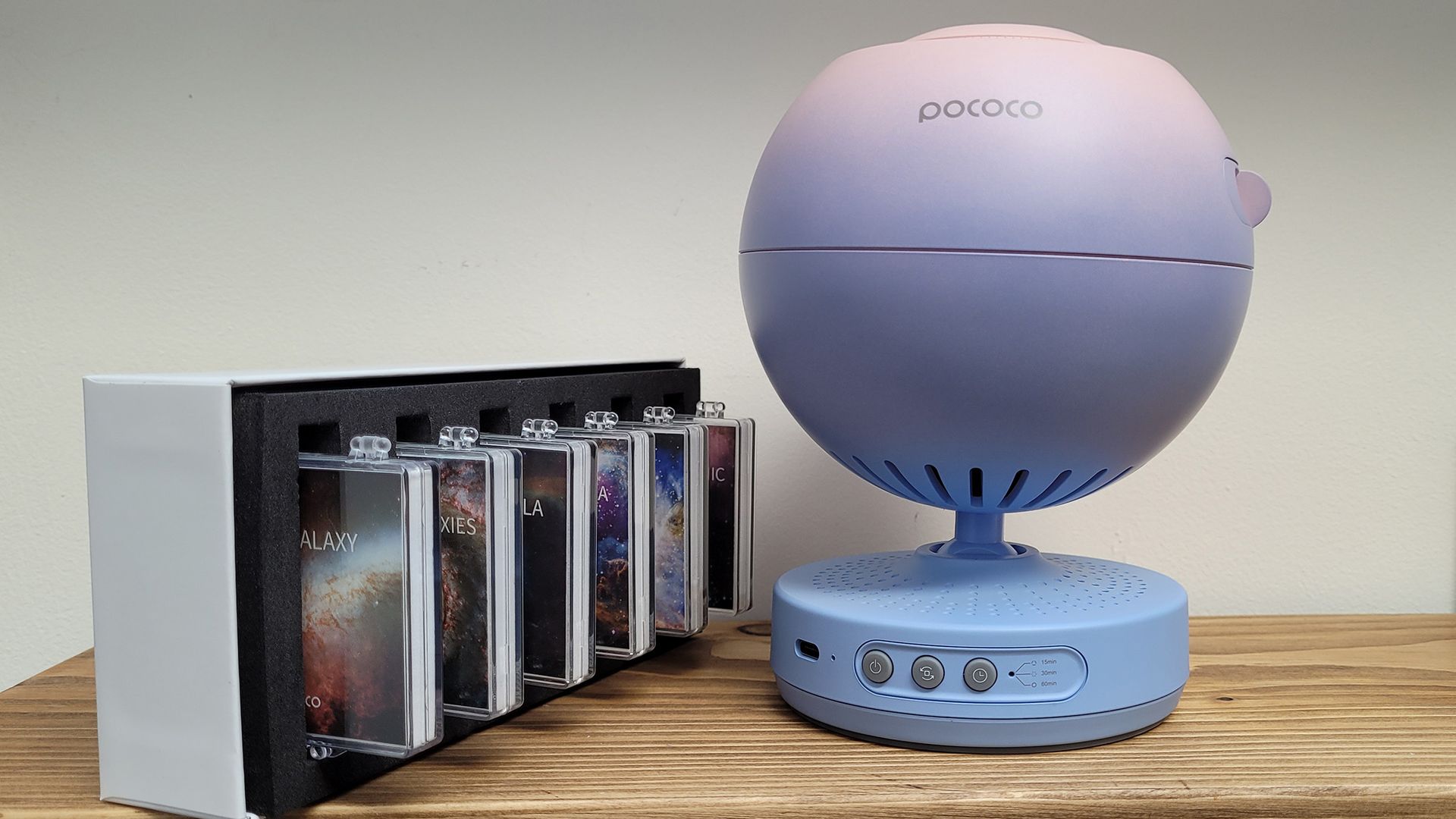
Offering far more than mood lighting, six scientifically accurate star projectors enable realistic skywatching at home. These devices serve as educational tools for aspiring astronomers of all ages.
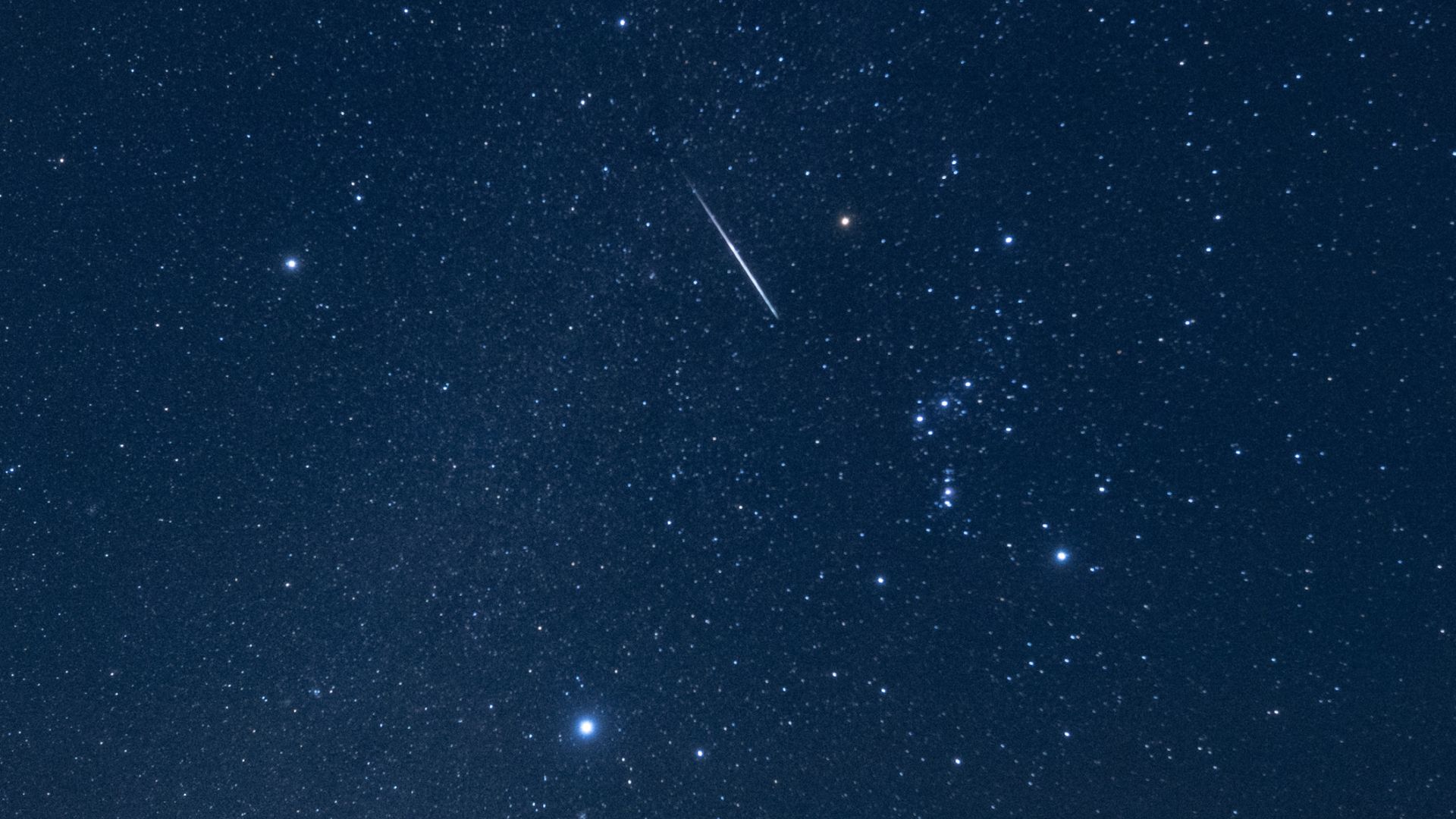
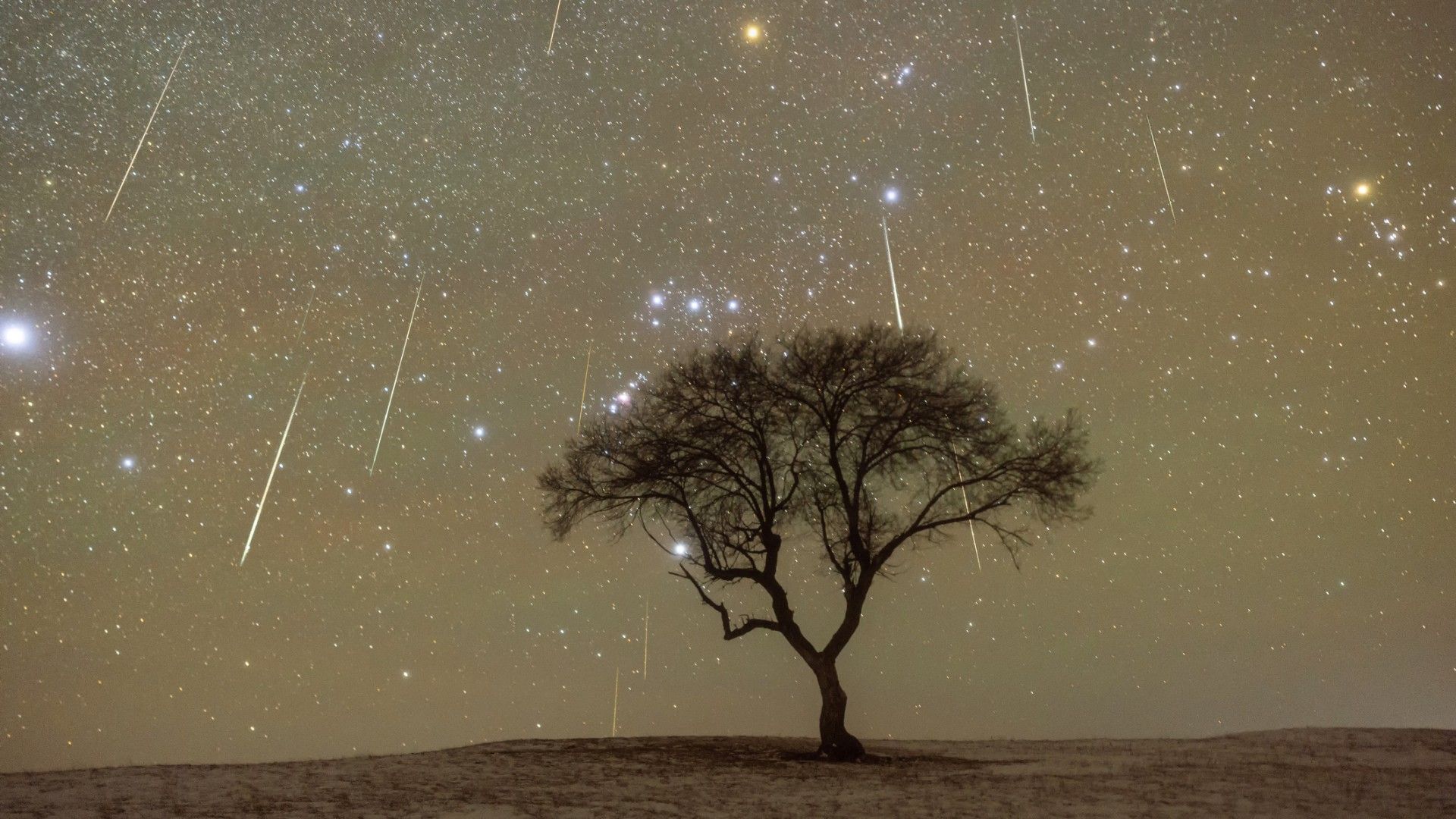
The highly anticipated Orionid meteor shower is set to reach its peak activity overnight on October 21-22. Stargazers can look forward to a spectacular celestial display of shooting stars lighting up the autumn night sky.
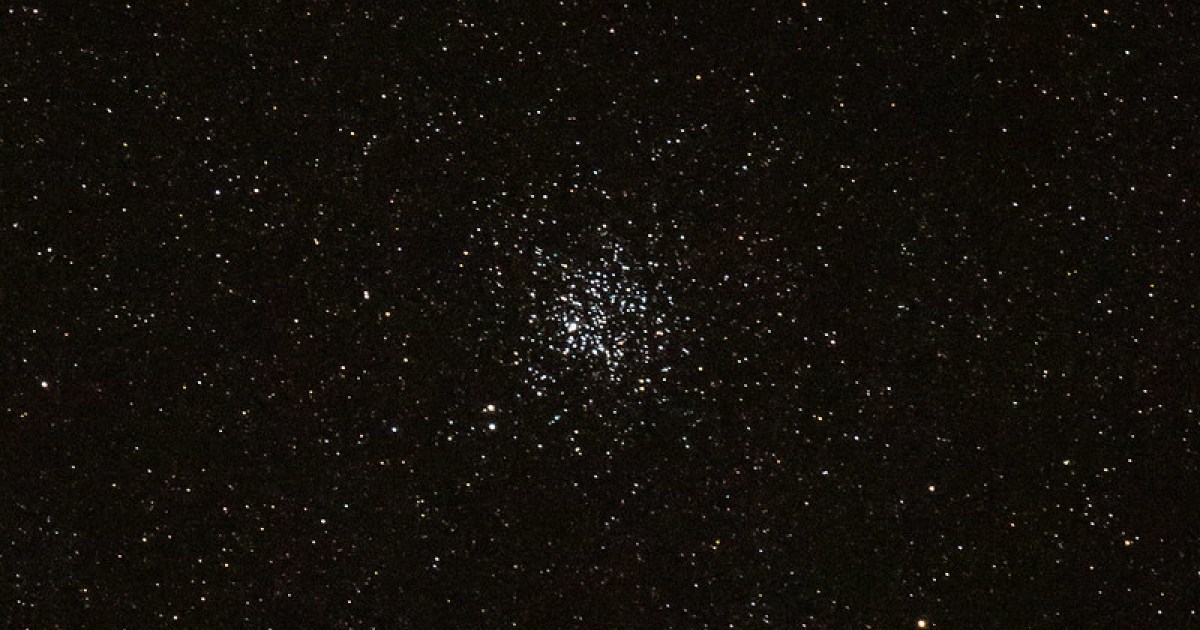
Located in the constellation Scutum, the Wild Duck Cluster (M11) remains prominent in the evening sky for several hours after sunset. This young cluster offers amateur and professional astronomers an exceptional observing target.
The Orionid meteor shower reaches its annual peak next week, though a bright moon will wash out many faint trails. Observers are advised to carefully time their sessions to catch the best viewing window.
astro-news uses no advertising or analytics cookies; your settings and reading history stay on this device. Story pictures, comments (giscus and GitHub) and some live data load from other servers, which may use their own cookies. You can allow them or carry on with the required ones only. Privacy Policy · Cookie Policy · Choose in detail