The Upcoming Peak of the Orionid Meteor Shower
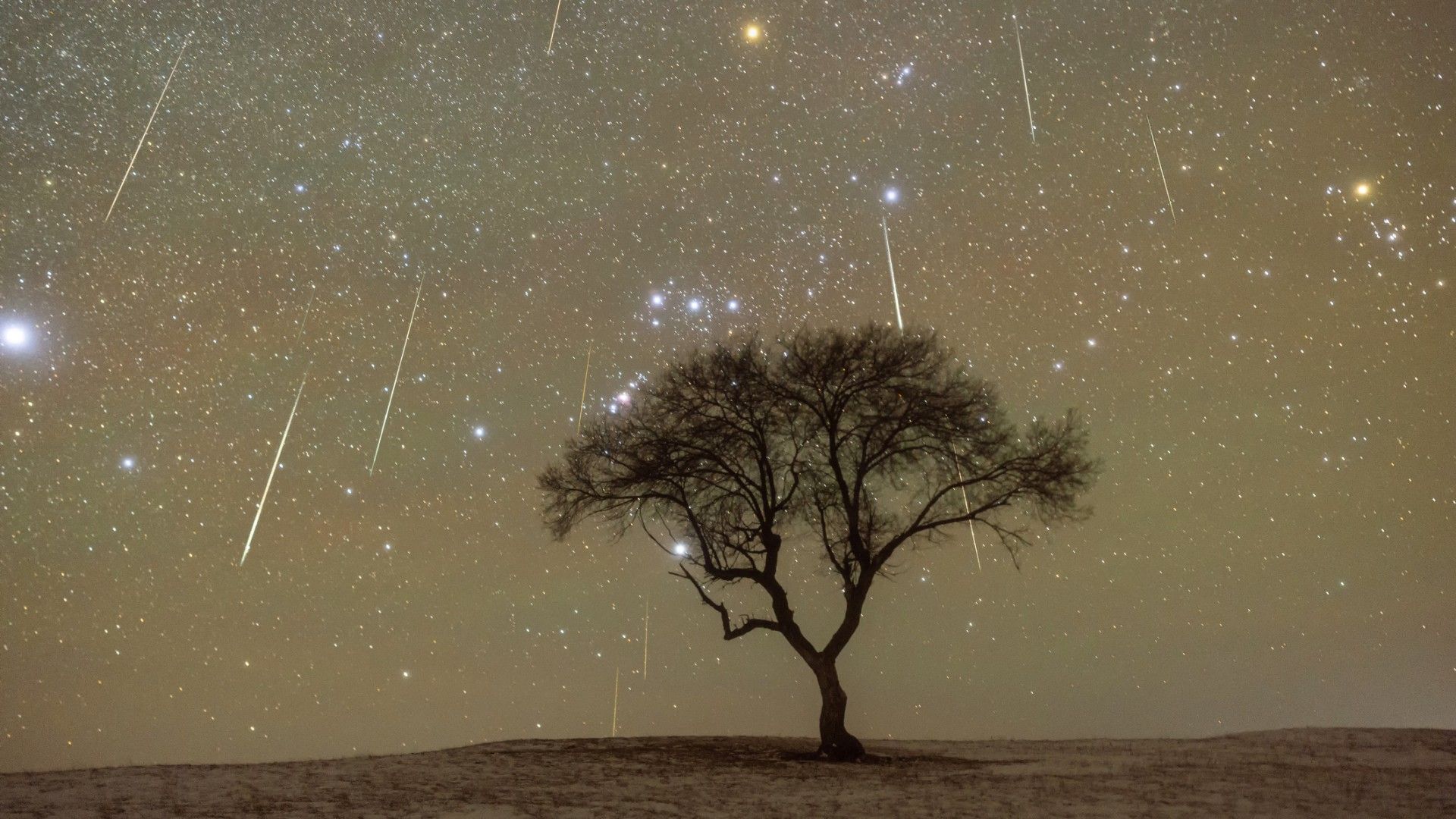
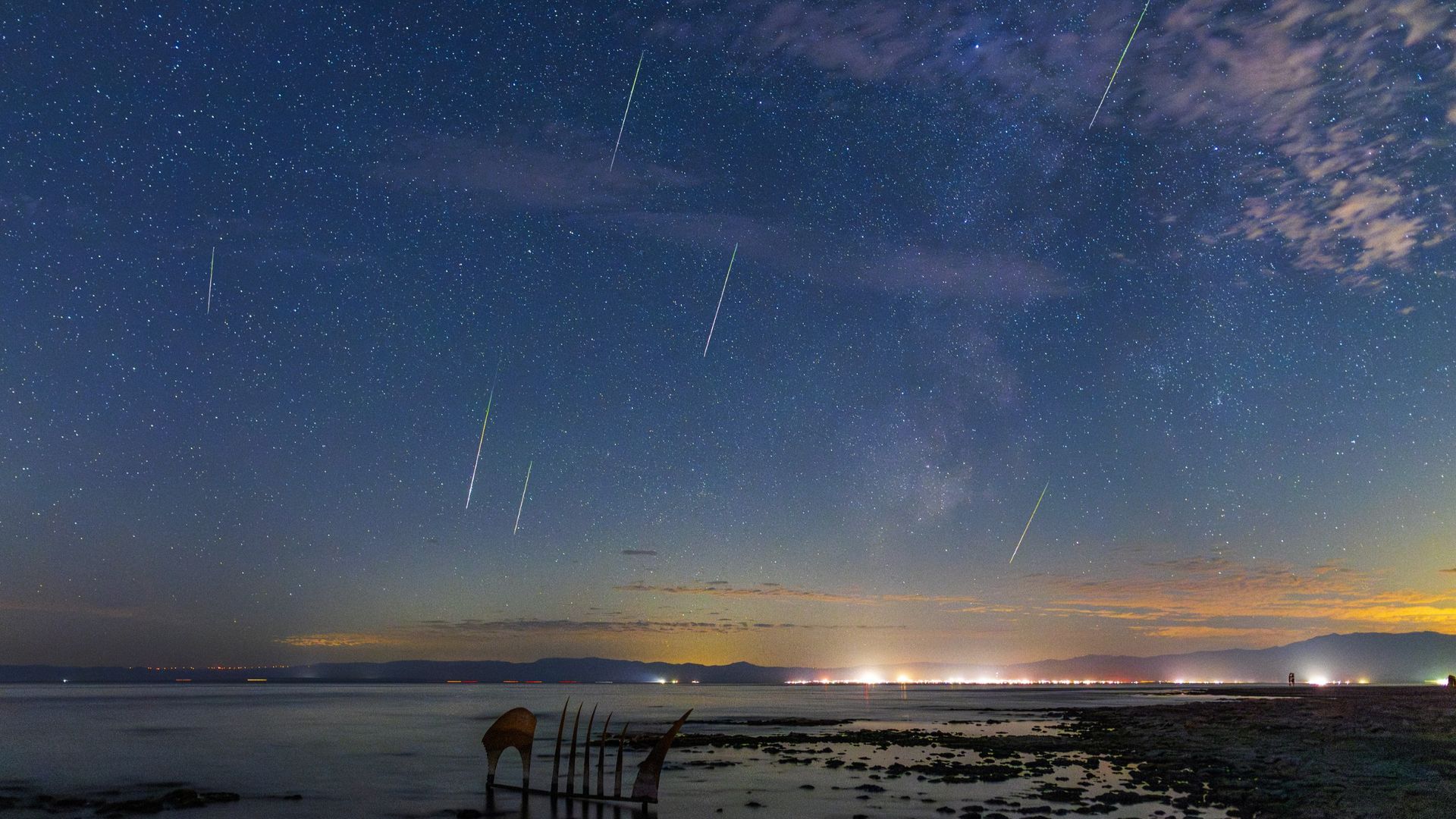
The Orionid meteor shower, one of autumn's recognized celestial fixtures, is set to reach its peak activity next week. The annual display occurs as Earth sweeps through debris left behind along orbital trajectories, providing an exciting spectacle for casual observers and experienced skywatchers alike.
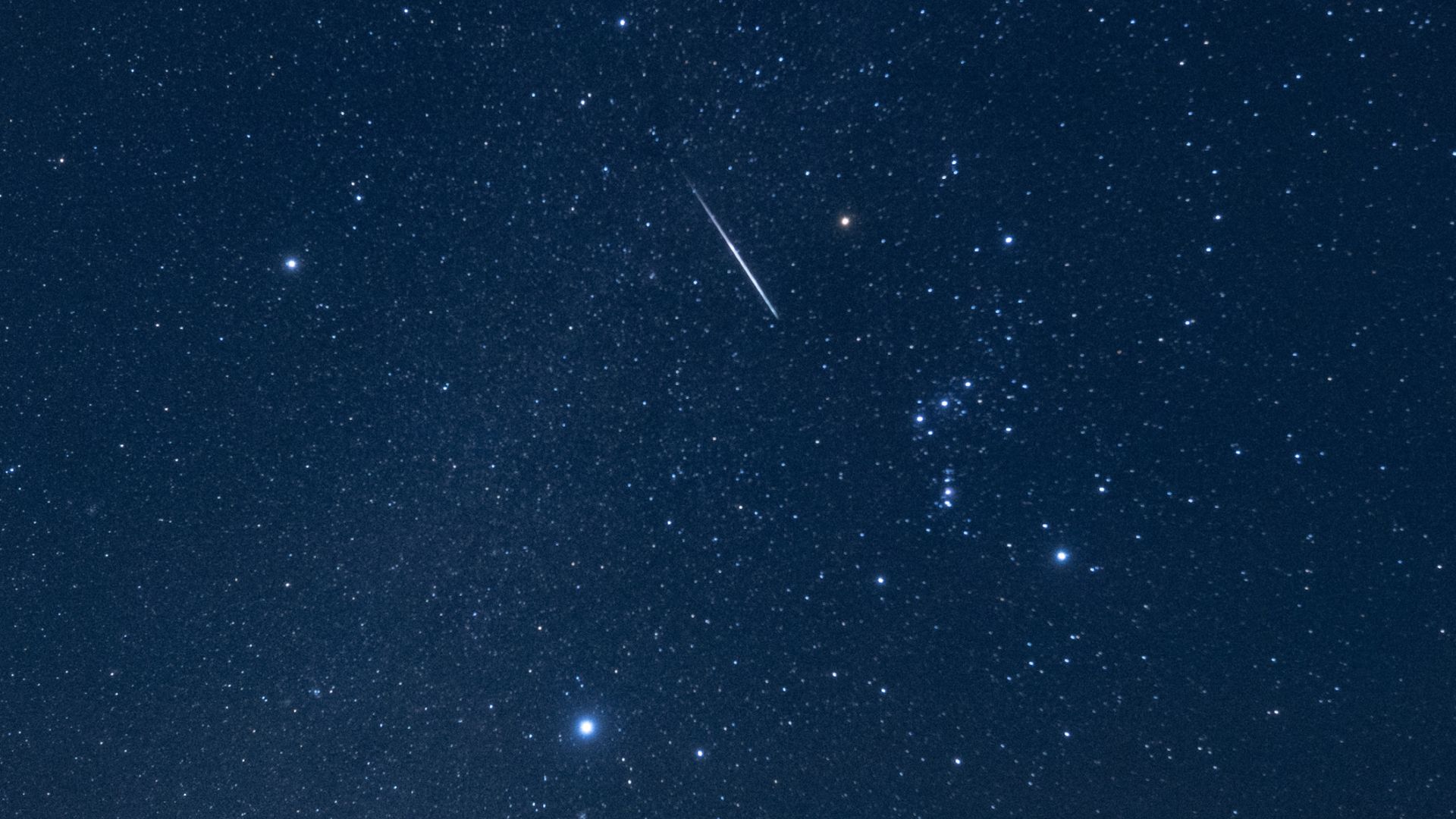
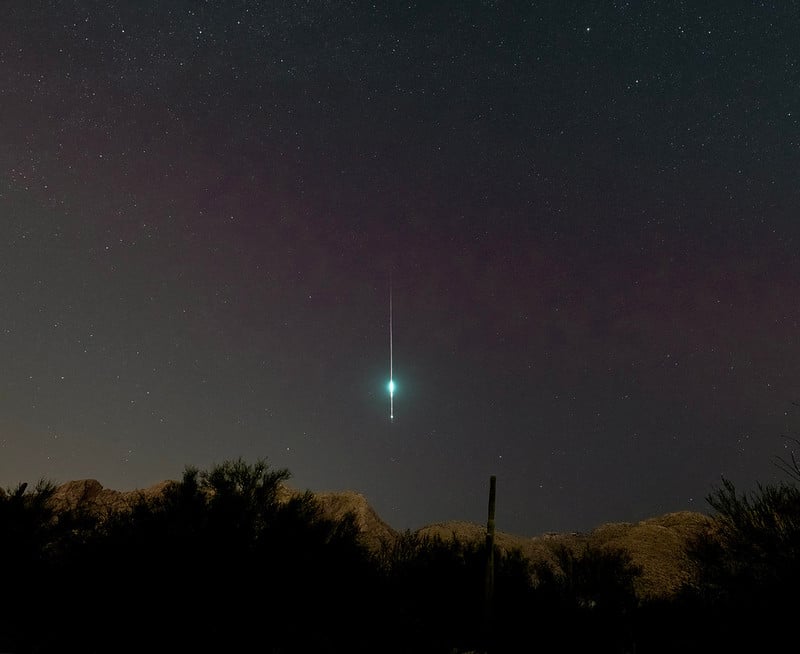
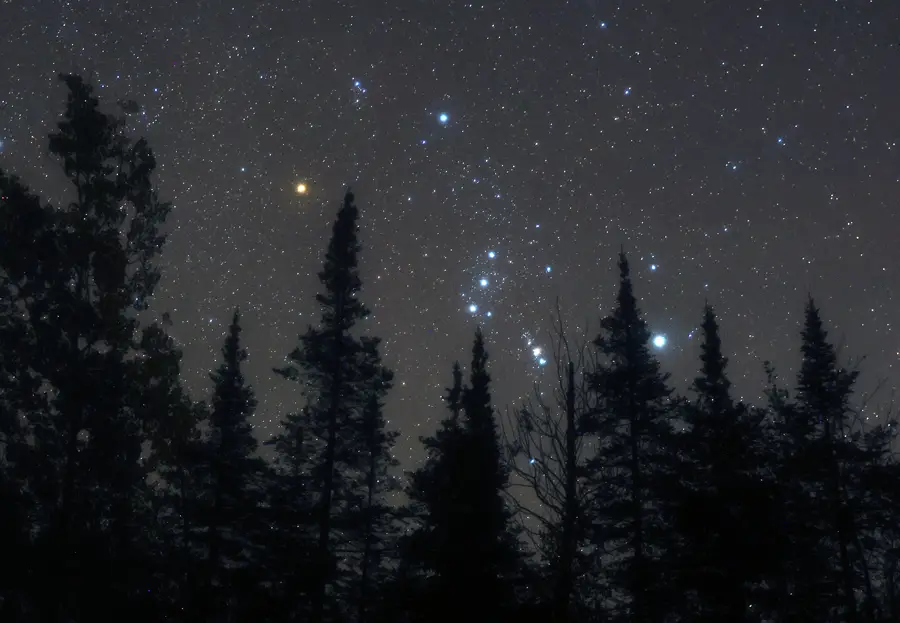
Originating visually near the prominent constellation Orion, these meteors are celebrated for their swift trajectories and occasional luminous trains. However, the overall success of any meteor shower observation depends heavily on background sky conditions and celestial geometry.
The Challenge of Bright Moonlight
The primary hurdle facing observers during this year's Orionid climax is the presence of a bright Moon illuminating the nocturnal sky. The pervasive natural glow severely degrades celestial contrast, washing out the majority of faint meteors that would otherwise be visible to the unaided eye.
Under such conditions, spending long hours outdoors during the brightest phases of the night often yields disappointing counts. Natural skywash reduces observational sensitivity, masking the finer details of the shower across extensive portions of the night.
Timing and Practical Observing Tactics
Experienced stargazers recognize that the smartest observing strategy is not always staying awake throughout the entire night. Frequently, the most rewarding approach involves identifying when conditions are genuinely favorable rather than battling unproductive moonlight.
Those wishing to spot Orionids are encouraged to plan around the Moon's schedule, prioritizing predawn hours or intervals when the lunar disk is below the local horizon. Getting adequate rest and rising early for a focused observing session provides a far better opportunity to catch meteors across darker skies.
Comments
Loading comments...