The Legacy of Halley's Comet
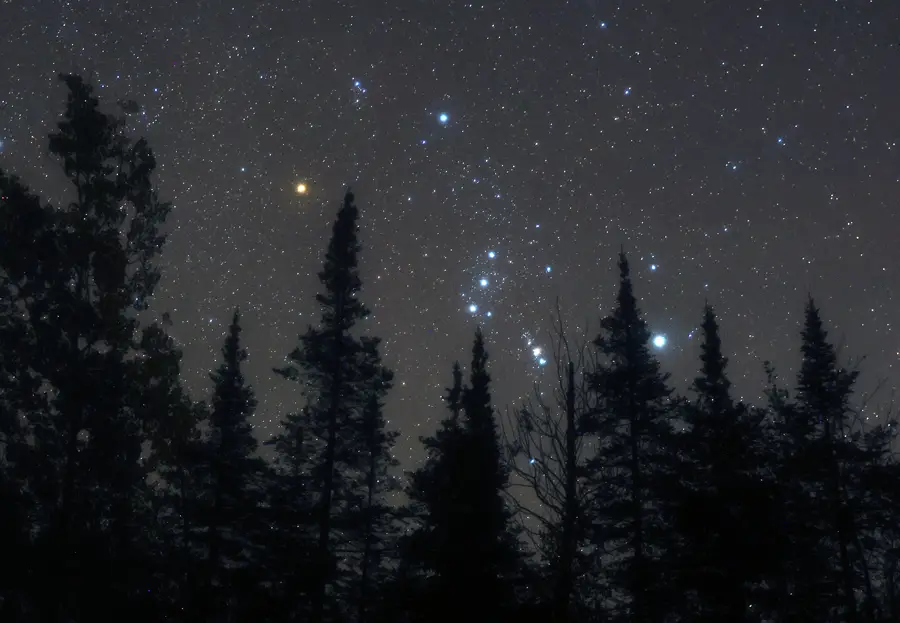
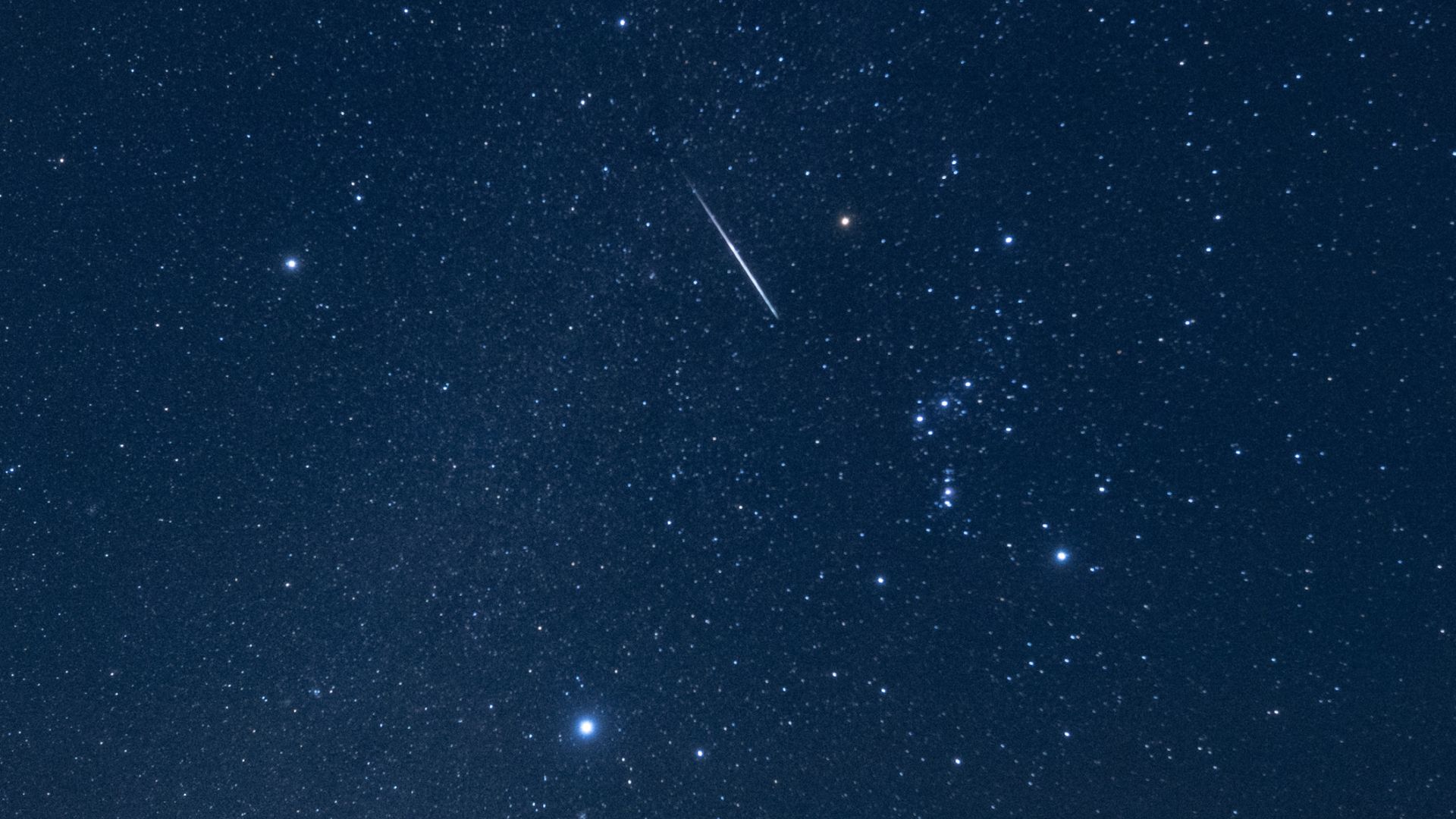
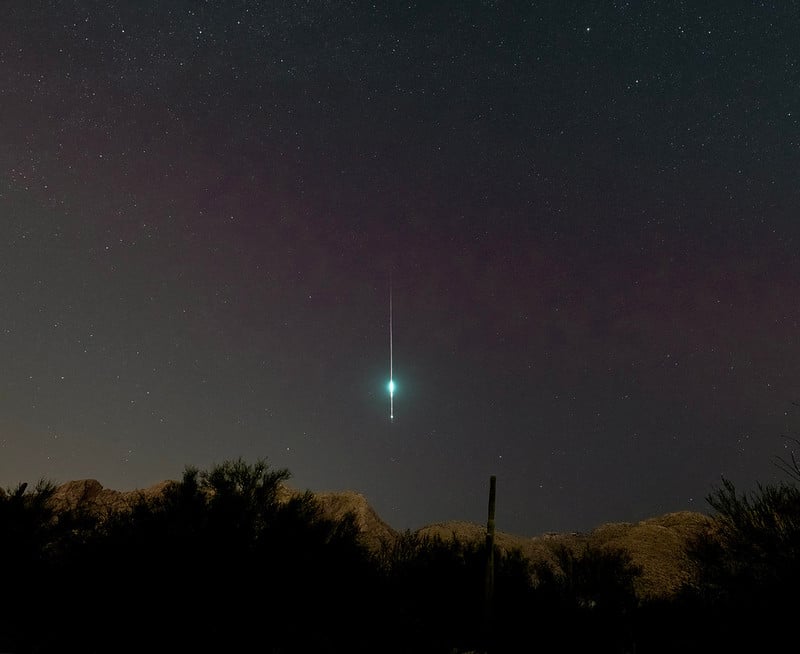
The annual Orionid meteor shower traces its origin to the debris left behind by the famous Halley's Comet along its orbit around the Sun. As Earth passes through this cloud of dust and ice, particles burn up in our atmosphere, producing dazzling streaks of light.
Observation Conditions and Peak Date
The Orionid meteor shower will reach its peak intensity in the early morning hours of October 22nd. This year, the Moon moves out of the sky just in time to provide dark conditions, creating an ideal viewing environment for skywatchers and amateur astronomers.
Significance and Viewing Tips
Offering a direct opportunity to observe the remnants of historic comets, meteor showers like the Orionids serve as a captivating reminder of Earth's continuous journey through space. Observing from dark sites away from light pollution in the early morning hours is recommended.
Comments
Loading comments...