Japan prepares to launch sample return mission to Phobos
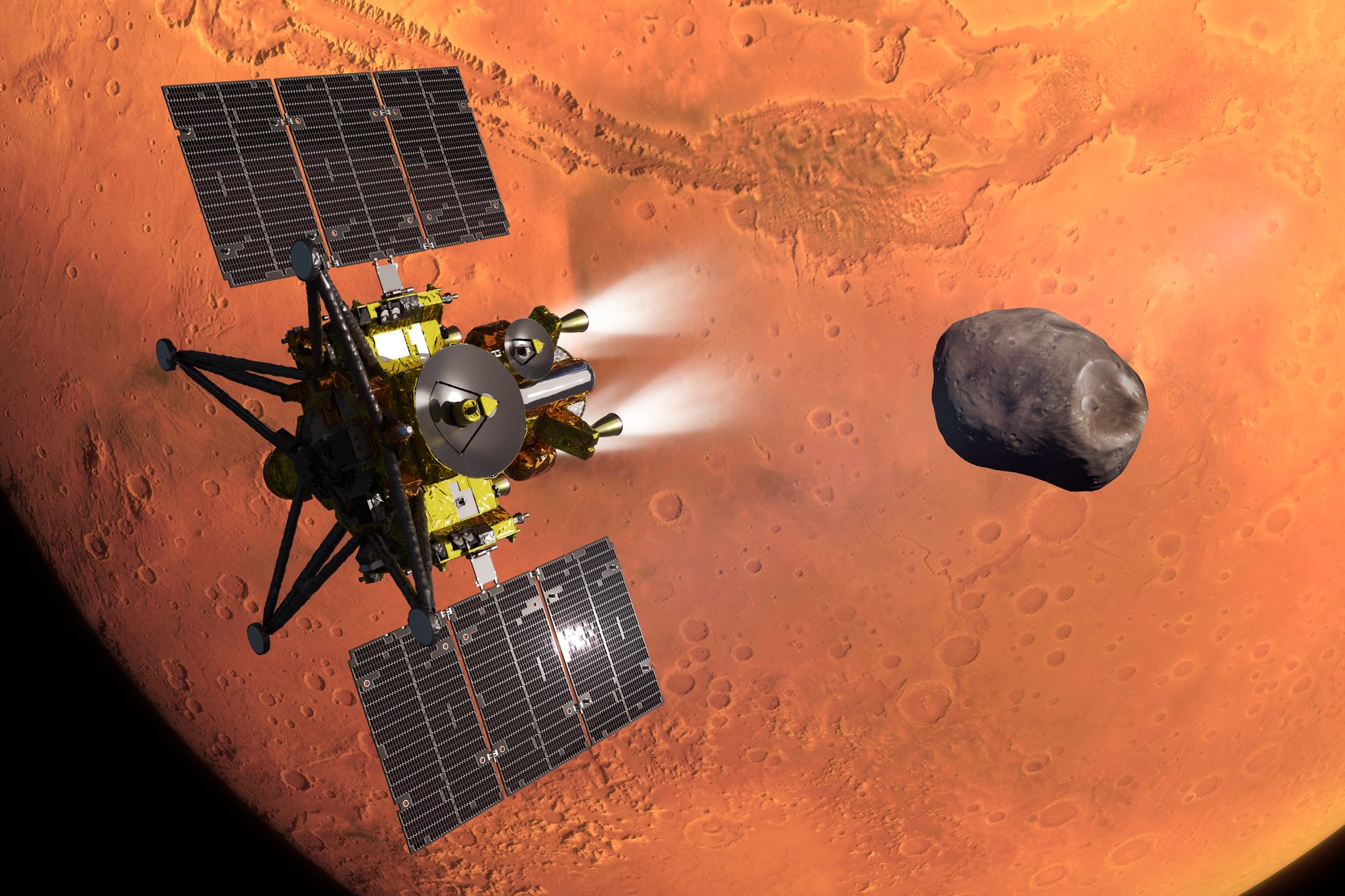
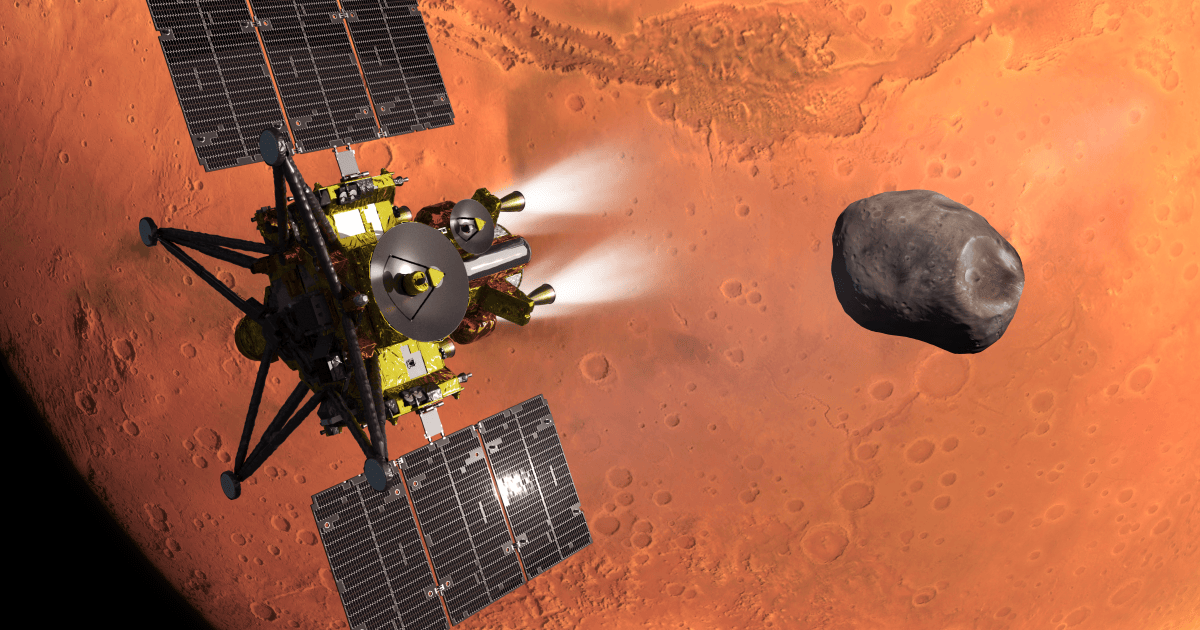
The Japan Aerospace Exploration Agency (JAXA) is preparing to launch its groundbreaking MMX mission to Phobos. The spacecraft will lift off on an H3 rocket from Tanegashima Space Center.
TOPICS
12 stories
The Japan Aerospace Exploration Agency (JAXA) is preparing to launch its groundbreaking MMX mission to Phobos. The spacecraft will lift off on an H3 rocket from Tanegashima Space Center.
Playing a key role in JAXA's MMX mission, NASA aims to bring samples from Mars' enigmatic moons back to Earth. Scientists hope to finally uncover the true origin of Phobos and Deimos.
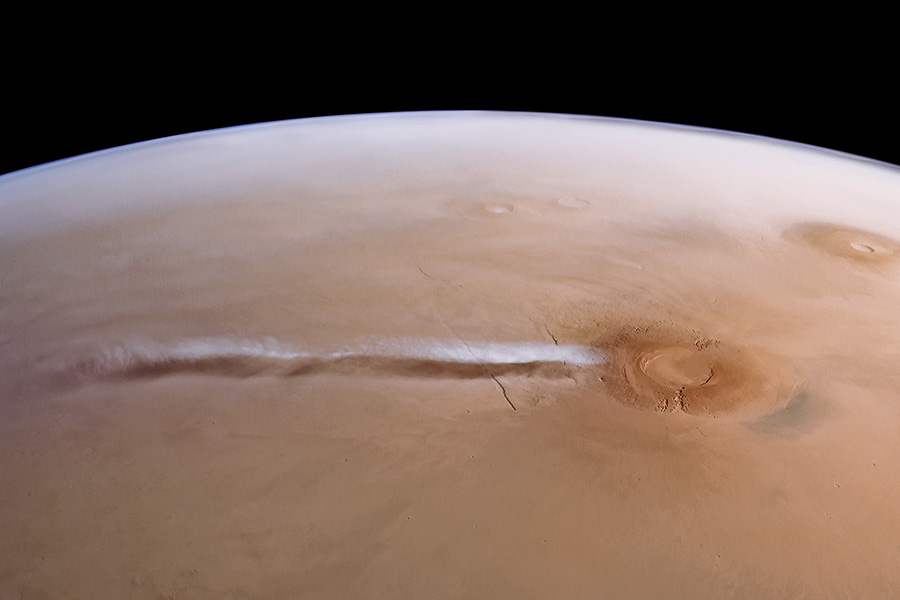
Astronomers have detected a peculiar cloud over a Martian mountain that forms without needing solid seed particles. This marks the very first direct observation of the theoretical process.
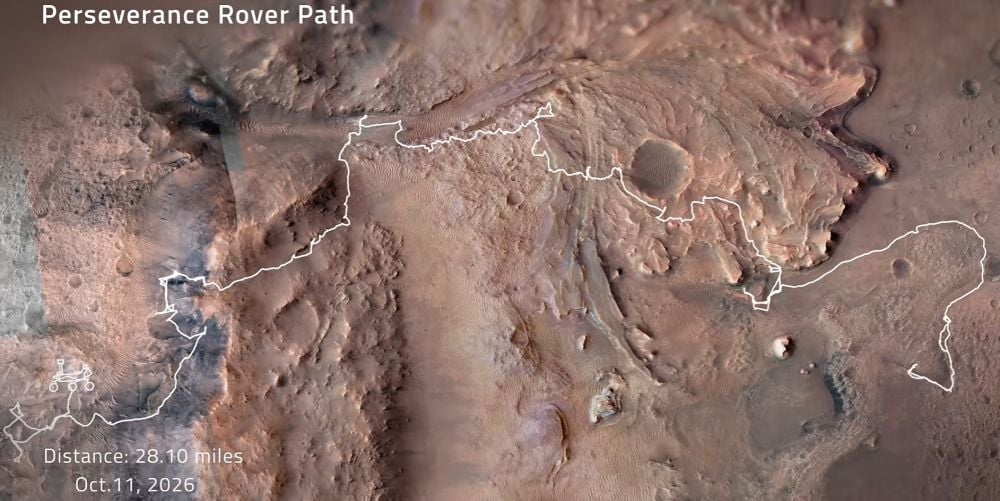
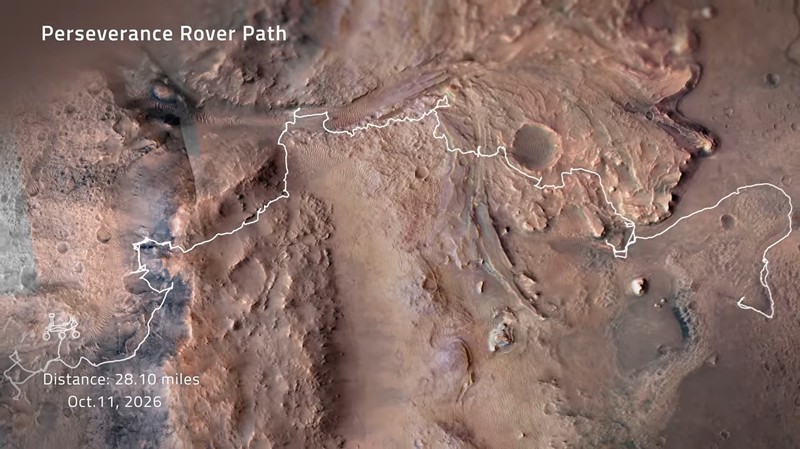
NASA's Perseverance Rover has reached another milestone. It now holds the record for the longest distance travelled on another world, meaning Mars and Earth's Moon. It's all thanks the ingenuity behind AutoNav, it's hazard-detection driving system. It's a win for science, as more distance travelled…
NASA's Curiosity rover shared a captivating panorama of a Martian sunrise from the slopes of Mount Sharp. Without white-balance adjustments, the image shows what a viewer would actually see.
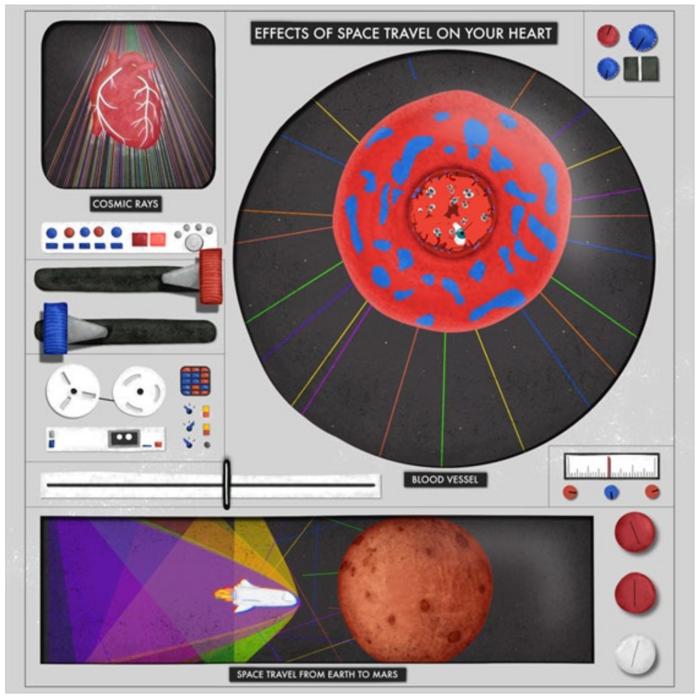
A new study in PLoS One by Medical College of Wisconsin researchers examines how weightlessness and deep space radiation pose lasting cardiovascular risks for future Mars-bound astronauts.
The Martian Moons eXploration ( MMX ) mission is set to launch into space on a H3 rocket from the Tanegashima Space Center at 04:41 JST on 20 October 2026 (20:41 BST / 21:41 CEST on 19 October 2026). MMX will be the first mission to collect a sample from Mars’s moon Phobos and bring it back to…
The six-wheeled geologist has in less than six years surpassed a mark set by the agency’s Opportunity rover, which explored the Red Planet for nearly 15 years.
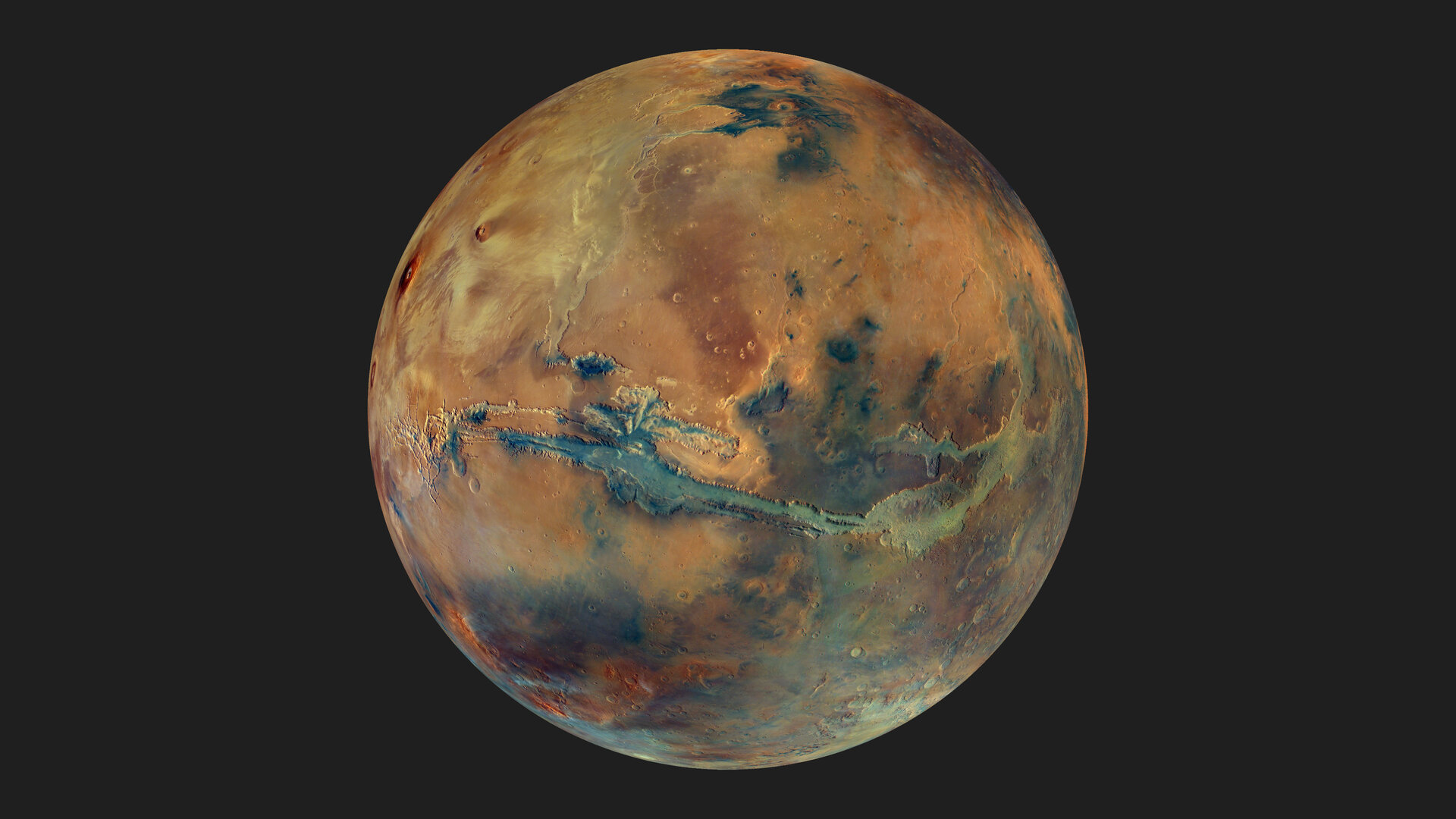
Scientists using the European Space Agency's Mars Express , in combination with a state-of-the-art meteorological model of the Red Planet, have found that there may be some very exotic physics behind Mars’s most curious cloud.
Sunlight illuminates wind-carved cliffs in a dramatic new image.
30 September 2026 marks the start of a new year on Mars. At exactly 10:16 CEST/08:16 UTC on Earth, the Red Planet begins a new orbit around our Sun.
A new study reveals that Jezero Crater’s enigmatic ‘Margin Unit’ was shaped by a complex sequence of ancient lakes, groundwater systems, and hydrothermal fluids.
No stories match this filter.