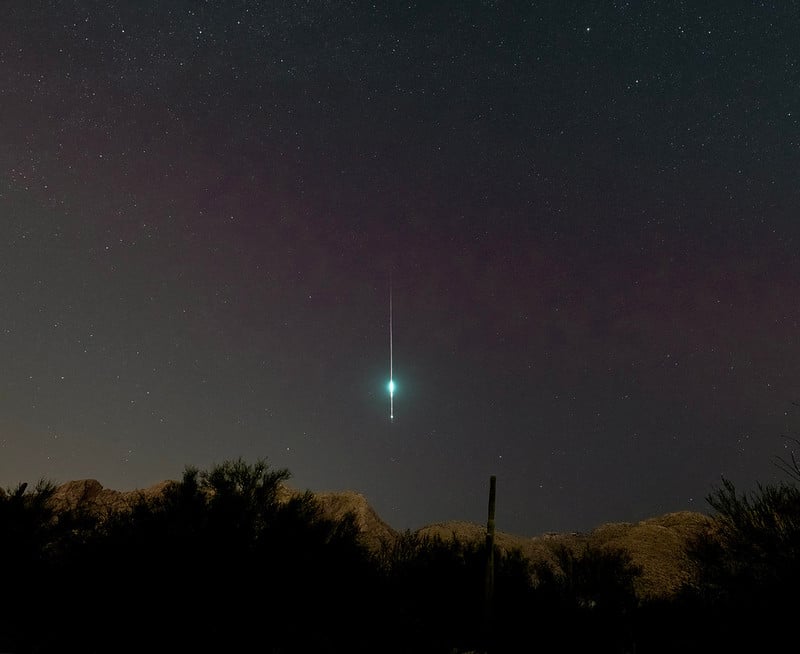
Autumn Skies Host a Dual Meteor Display
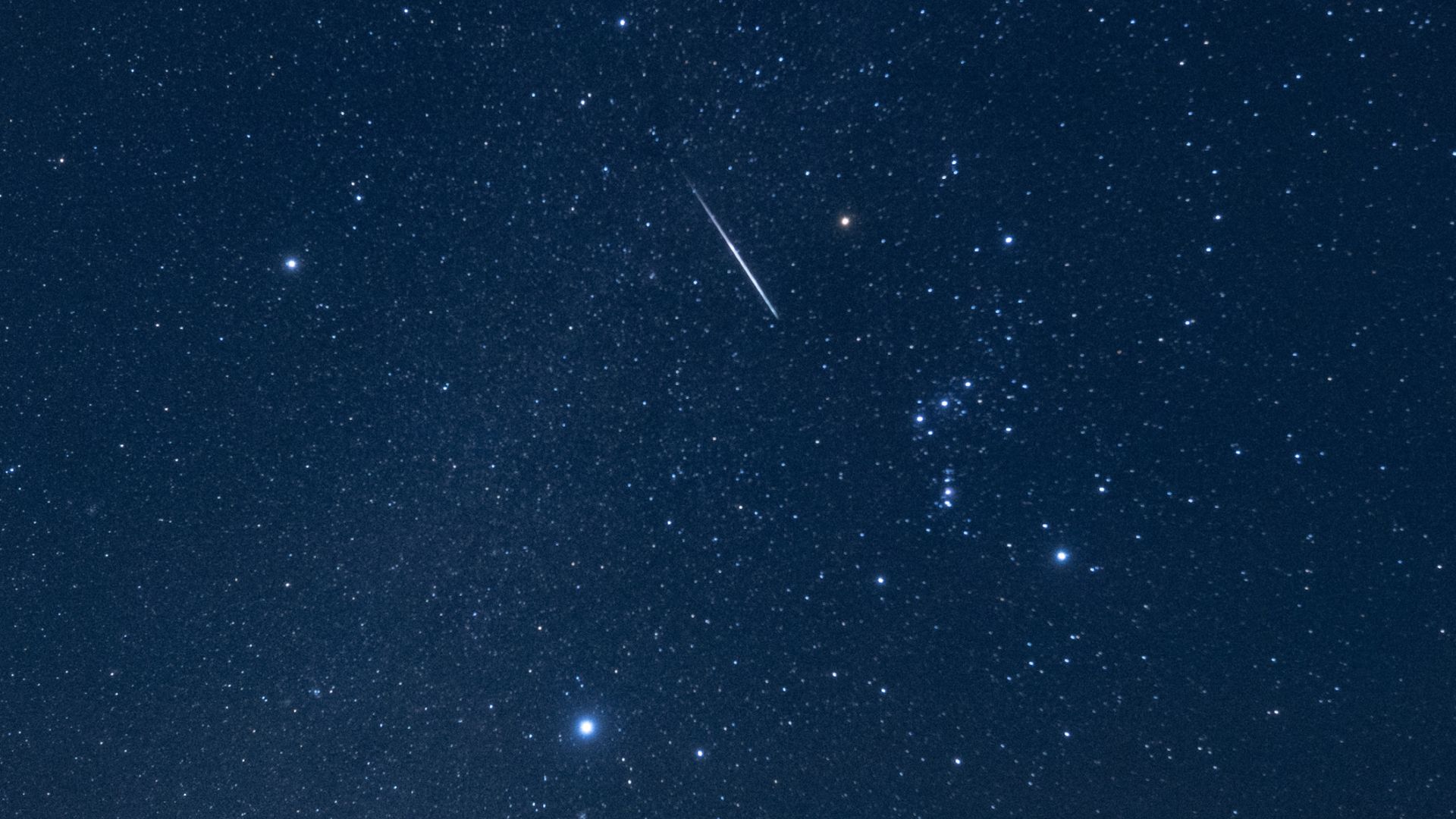
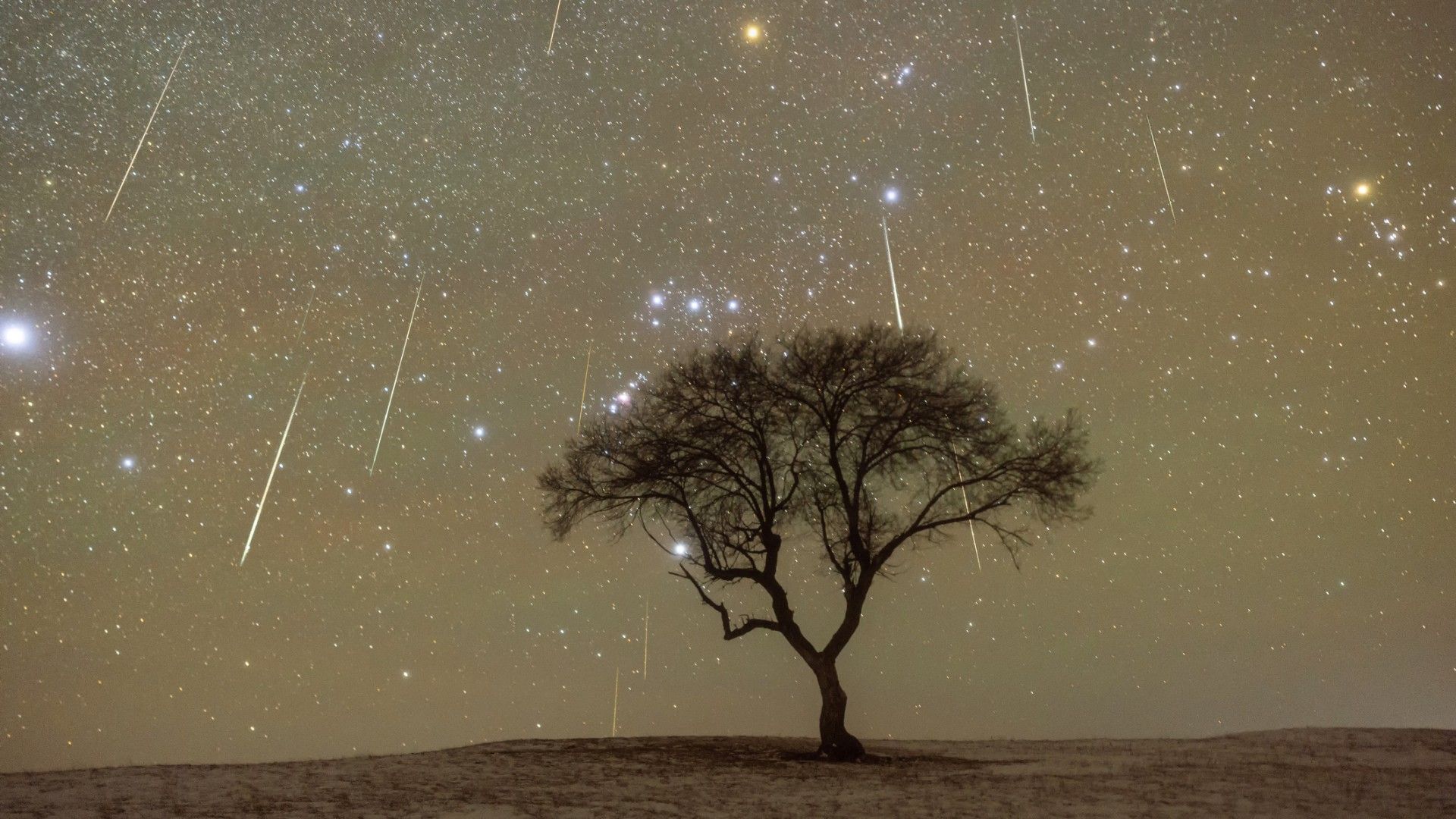
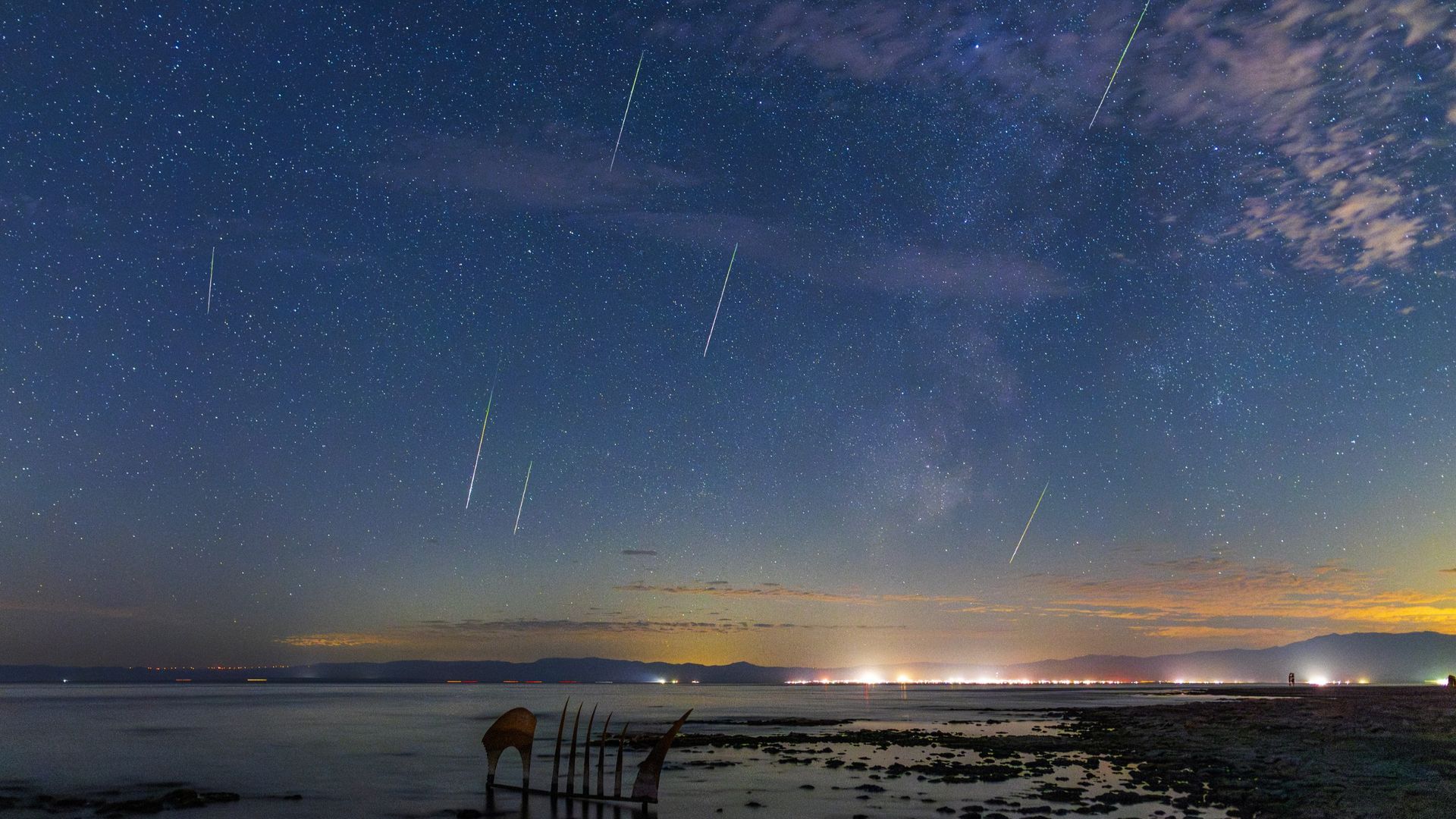
As autumn progresses and twilight arrives earlier each evening, the night sky welcomes the onset of a lively meteor season. Late October marks the annual activity peak of two prominent meteor showers, the Orionids and the Taurids, kicking off seasonal celestial viewing for skywatchers worldwide.
Debris Trails Igniting in Earth's Atmosphere
Both showers originate from trails of dust and small rocky debris left behind by comets traversing the inner solar system. As Earth sweeps through these orbital debris streams, the incoming particles enter the upper atmosphere at high velocities, producing visible streaks of light through ionization and frictional heating.
Opportunities for Seasonal Skywatching
For observers situated away from urban light pollution, the concurrent activity of the Orionids and Taurids provides an excellent target for tracking meteor rates across autumn constellations. These recurring showers continue to offer valuable insight into interplanetary dust dynamics and cometary decay processes.
Comments
Loading comments...