Mapping Circumstellar Structures with ALMA
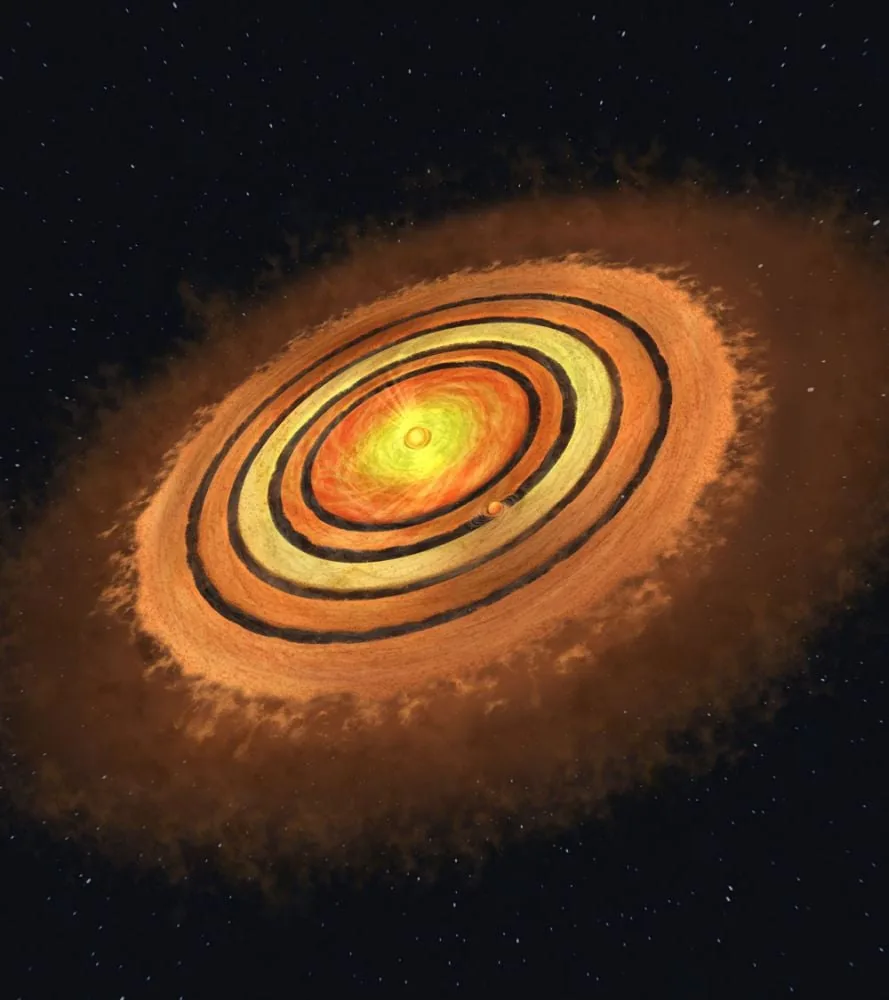
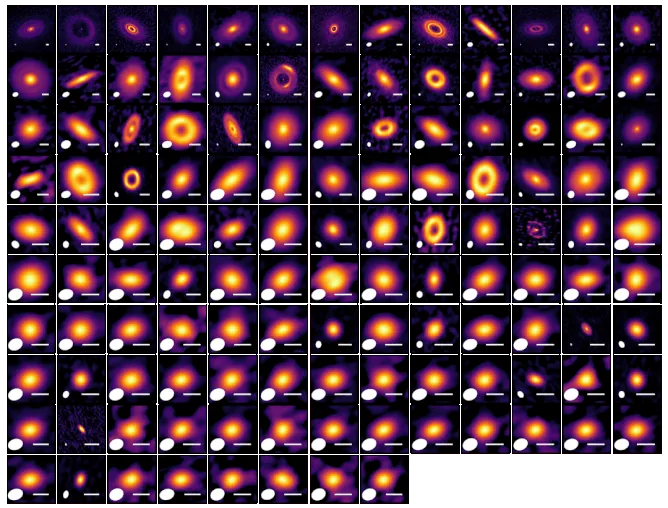
Astronomers have spent decades examining protoplanetary disks around young stars to understand how planetary architectures take shape. The Atacama Large Millimeter/submillimeter Array (ALMA) has proven uniquely capable in this arena, capturing high-resolution millimeter-wavelength imagery of dozens of young circumstellar disks. These observations have firmly established that protoplanetary disks are far from uniform structures, instead exhibiting intricate systems of concentric rings, spirals, and deep gaps embedded within the circumstellar material.
The Physical Origins of Rings and Gaps
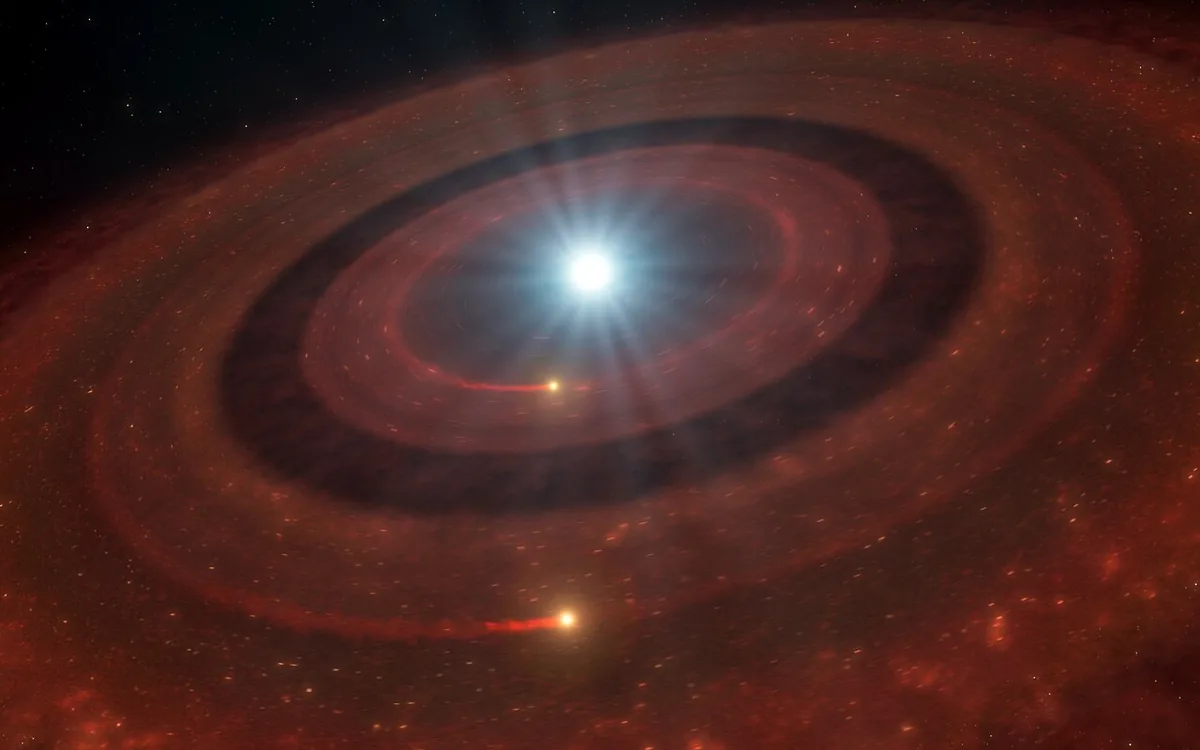
For years, the standard interpretation among researchers was that these prominent gaps were carved by developing protoplanets accreting matter and clearing their orbital paths. While gravitational perturbation by embryonic worlds remains a primary explanation, new research indicates that not every observed gap points to an underlying planet. Hydrodynamic instabilities within the gas, dust grain dynamics, and other intrinsic disk phenomena can spontaneously generate ring-like structures and depleted gaps without the gravitational influence of a forming planet.
Implications for Planet Formation Theories
This discovery demands a more cautious and refined approach to modeling planetary nursery dynamics. Disentangling true planetary signatures from abiotic hydrodynamic artifacts will require deeper observations across diverse wavelengths and more sophisticated numerical simulations. Clarifying these physical processes is vital for accurately reconstructing how planetary systems, including our own early Solar System, evolve from primordial dust into stable configurations.
Comments
Loading comments...