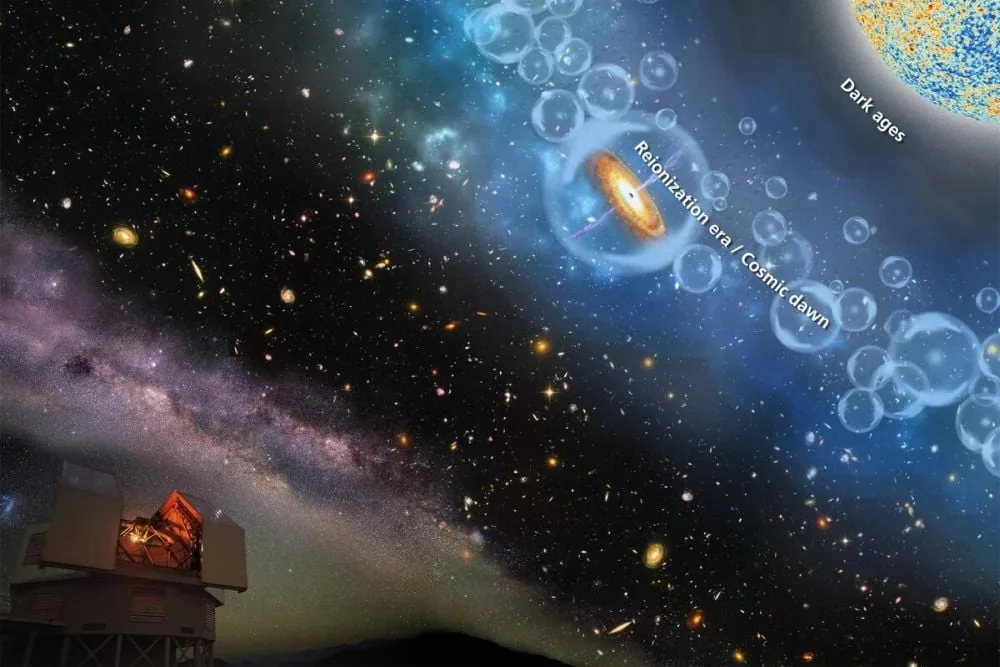
The Epoch of Reionization and the Early Universe
The Epoch of Reionization represents a critical period when radiation from early galaxies and their stars reionized neutral hydrogen, allowing light to travel freely through the cosmos. The role of early stars and cosmic structures during this transformation is a central topic in modern cosmology. Previous research suggested that supernova explosions primarily aided this reionization process.
The Dual Effect of Supernova Explosions
New research reveals a more complex mechanism driven by supernova explosions during reionization. The findings demonstrate that while supernovae initially assisted in reionizing neutral hydrogen, they eventually slowed the process down over time. Shockwaves and energetic outputs from these explosions altered gas dynamics, gradually restricting the escape of ionizing radiation.
Impact on Cosmological Models and Future Plans
This discovery requires a re-evaluation of simulations and cosmological models that explain the evolution of the early universe. The two-phase effect of supernovae on reionization adds a new dimension to models of early galaxy formation and stellar evolution. Scientists plan further observational studies to map this intricate process in greater detail.
Comments
Loading comments...