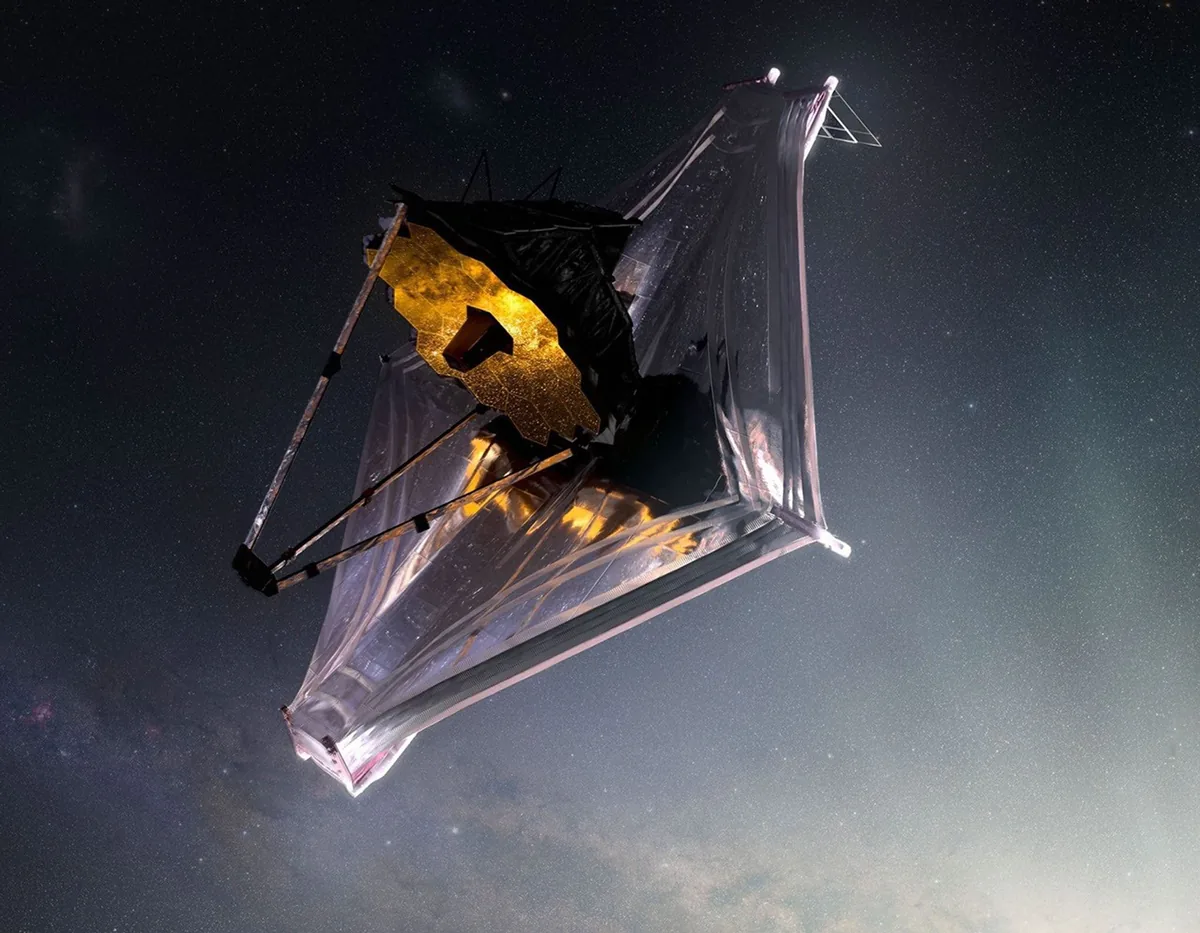
Space-Time Ripples and the LISA Observatory
Currently in development, the Laser Interferometer Space Antenna (LISA) observatory is designed to detect gravitational waves—faint ripples in space-time caused by accelerating, orbiting massive objects. Aiming to observe unseen cosmic phenomena, this ambitious mission is set to revolutionize astrophysics.
Astrophysical Studies and Novel Exoplanet Detection Methods
Two new studies led by NASA astrophysicists demonstrate in detail how LISA can leverage gravitational wave detection to reveal exoplanets. The research indicates that this space-based observatory could uncover a completely new and unique population of worlds beyond our solar system throughout the galaxy.
Unlike traditional optical or light-based detection techniques, gravitational wave sensing allows astronomers to identify exoplanets via the subtle gravitational signatures exerted within their host binary systems. This method enables the discovery of planetary bodies in environments that were previously difficult to probe.
Impact on Galactic Exoplanet Models
This innovative detection strategy has the potential to expand our understanding of planet formation and evolution across the Milky Way. Data provided by LISA will not only shed light on dense stellar remnants like black holes and neutron stars, but will also uncover the elusive worlds orbiting within these exotic galactic systems.
Comments
Loading comments...