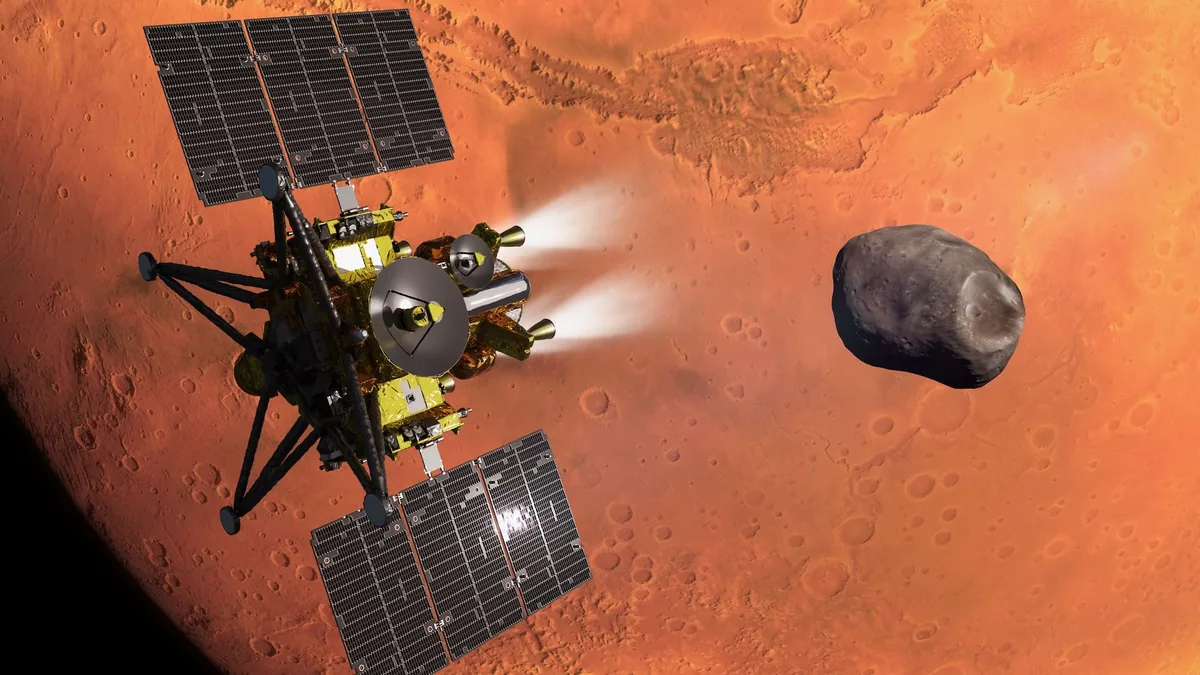
An Ambitious Journey to the Red Planet
Japan is undertaking a groundbreaking planetary science initiative by launching the Martian Moons eXploration (MMX) mission targeting Phobos, the enigmatic moon of Mars. Broadcast live worldwide, this historic launch represents one of the most technologically demanding endeavors aimed at the Martian system. The spacecraft is designed to reach Phobos, touch down on its rugged terrain, and collect pristine samples directly from the surface.
Sample Retrieval and Key Mission Phases
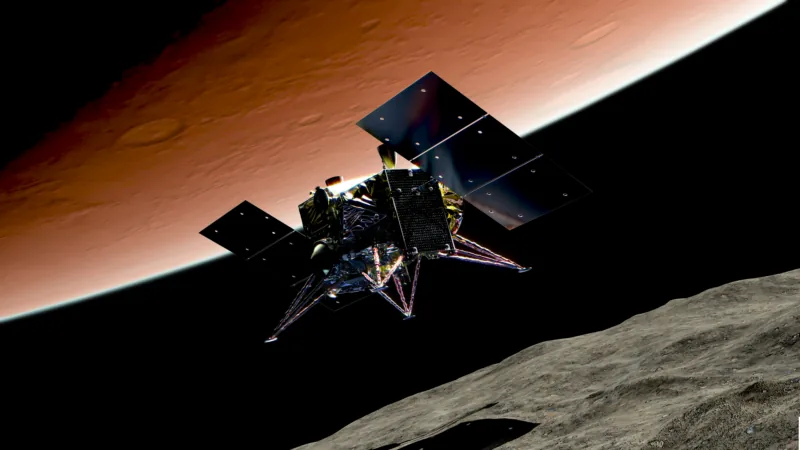
The primary scientific objective of MMX is to secure soil and rock samples from Phobos and successfully return them to Earth. Upon arriving in the Martian environment, the probe will conduct detailed remote sensing of both Phobos and Deimos before attempting a controlled descent onto Phobos. Securing these surface materials in a dedicated return capsule will mark the very first sample-return mission from the Martian system.
Unlocking the Secrets of Planetary Formation
The pristine samples delivered by MMX are expected to settle the long-standing debate over whether the Martian moons are captured asteroids or debris from a massive impact. Laboratory analysis of these materials will provide vital insights into volatile delivery and planetary accretion in the early solar system. Furthermore, the findings will offer critical baseline data for assessing the resource potential of Martian moons for future crewed exploration.


Comments
Loading comments...