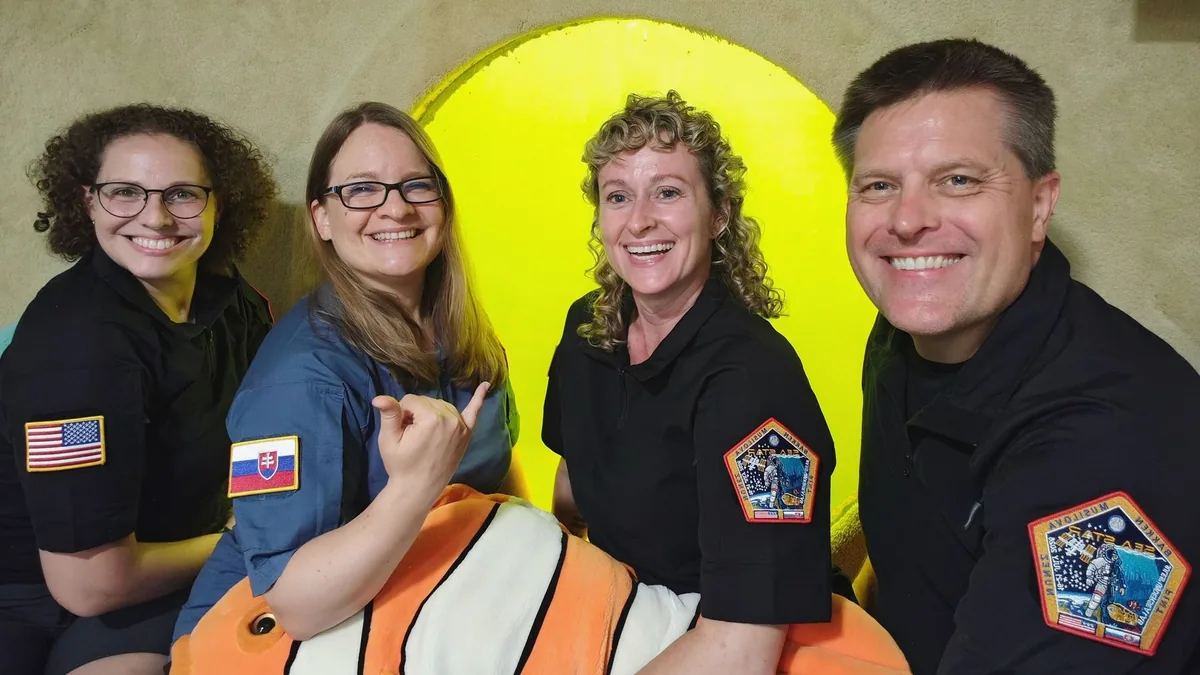
Underwater Preparation for Space Missions
Analog astronaut studies conducted to prepare for future space missions allow astronauts to experience space-like conditions on Earth. A simulated space mission carried out at the Jules' Undersea Lab underwater habitat near Key Largo, Florida, provided a unique research environment for scientists and analog astronauts. The mission leader, who had been preparing for years as both a scientist and an analog astronaut, experienced firsthand how living underwater contributes to working in space.
Life at 6.7 Meters Depth and Saturation State
Jules' Undersea Lab is a specialized underwater research station located 22 feet (6.7 meters) beneath the water's surface. Entry and exit from this station require scuba diving. To achieve the title of 'aquanaut,' researchers stationed in the lab must spend at least 24 hours continuously underwater in a state known as saturation. During this period, analog astronauts develop skills for coping with microgravity simulations and living in confined spaces.
Impact on Future Space Exploration
Simulations conducted in underwater habitats enable astronauts to experience various scenarios and crisis situations they are likely to encounter in space. This mission offers valuable insight into space mission planning, team dynamics, and testing technical equipment. The research team emphasizes that the challenging conditions provided by underwater environments are vital for future planetary and orbital missions.
Comments
Loading comments...