astronews
Settings My profile TR

Universe TodayImportance

LISA's Gravitational Wave Detections Could Reveal Exoplanets

LISA's Gravitational Wave Detections Could Reveal Exoplanets
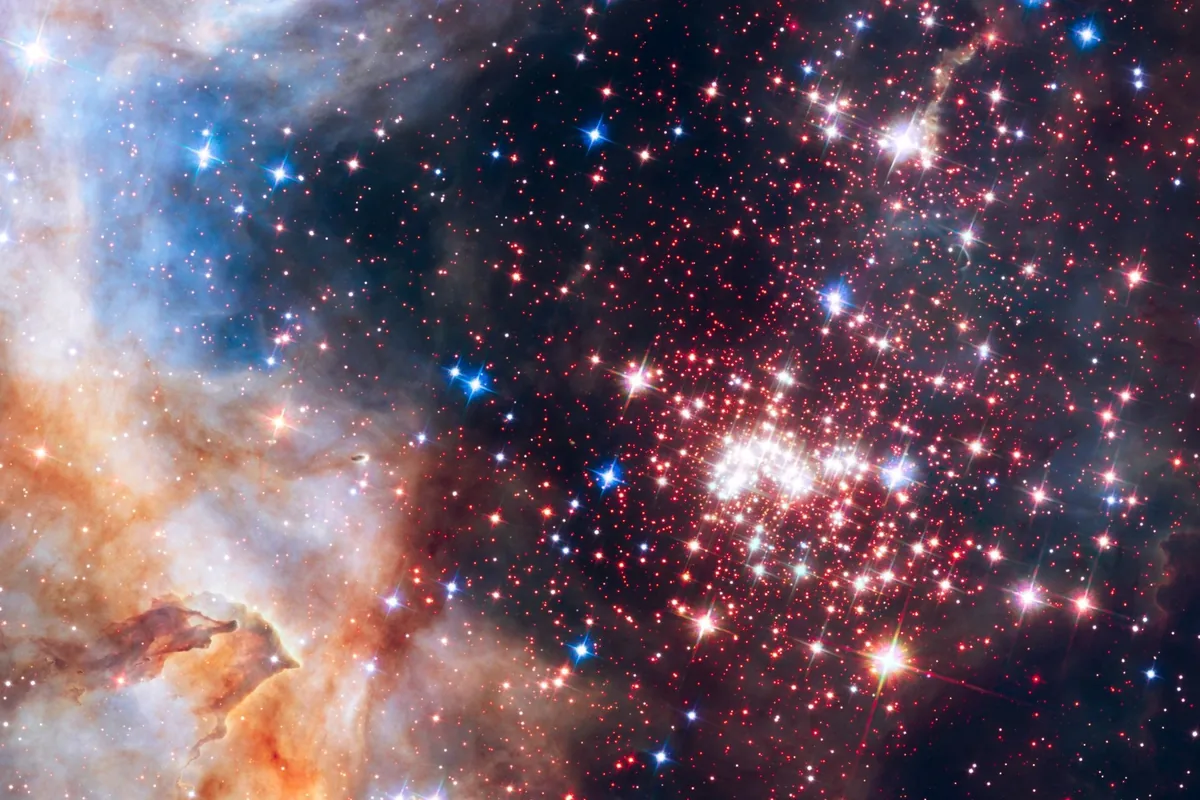
Image: Universe Today

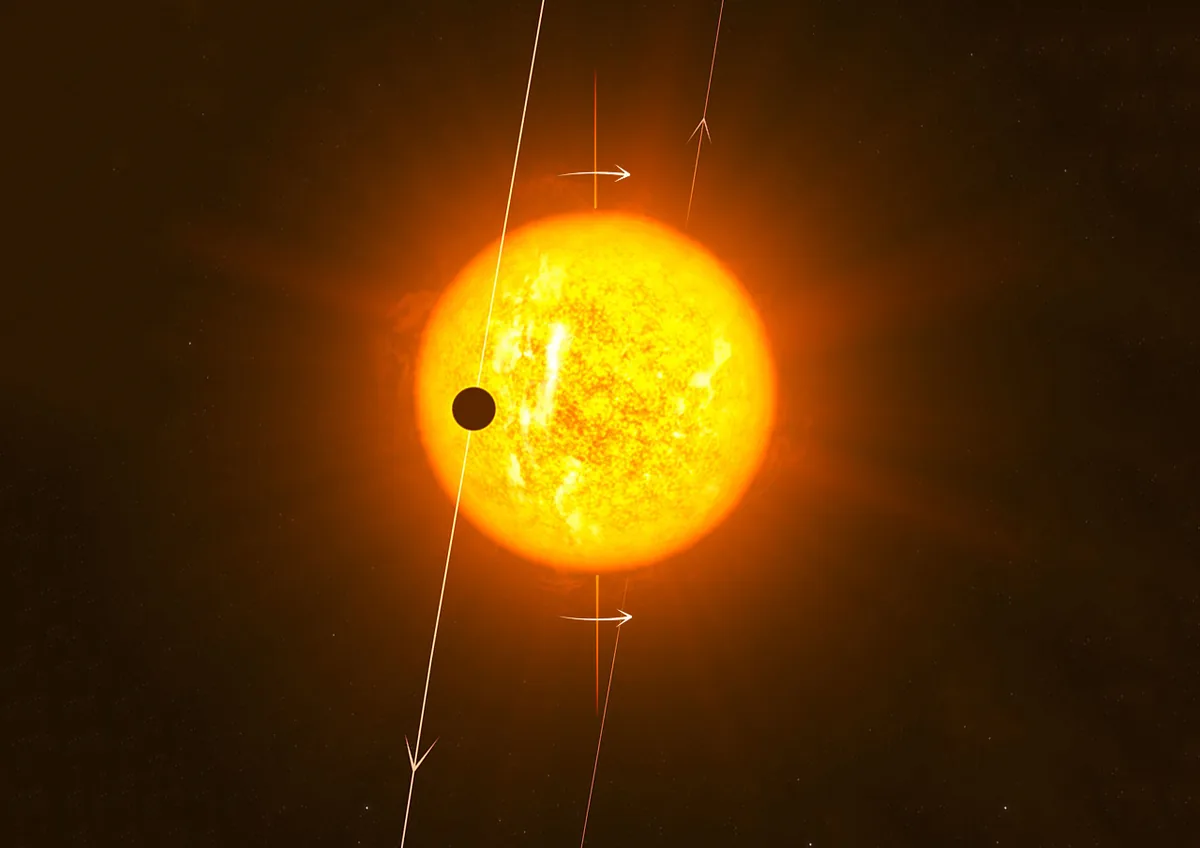
LISA, the ESA's Laser Interferometry Space Antenna, is being built to detect gravitational waves emitted when massive objects spiral together and merge. New research shows that exoplanets can exert a small but perceptible tug on those objects, leaving a signature on the gravitational waves.

Gravitational Waves and Exoplanets

LISA is being built to detect gravitational waves emitted when massive objects spiral together and merge. These waves are produced by some of the most powerful events in the universe.

Exoplanets' Effect

New research shows that exoplanets can exert a small but perceptible tug on those objects, leaving a signature on the gravitational waves. This provides scientists with a new method to detect exoplanets.

Scientific Significance

The LISA mission will provide scientists with more information about the universe by detecting gravitational waves. The existence of exoplanets can provide important information about the formation and evolution of the universe.
Read at source
Comment

Something wrong with this story? Report it

Comments

Loading comments...

Choose your city

Sunrise, sunset and the sky chart follow the city you choose.

Pages

NewsFeedSkyObservatorySpacecraftGalleryAcademicAssistantThe weekArchiveAboutMy profileSettings

Topics

Solar SystemMarsMoonSunExoplanetsStarsGalaxiesBlack holesCosmologyComets & asteroidsTelescopesMissionsSky eventsSearch for lifeTürkiye

Legal

Terms of UsePrivacy PolicyKVKK NoticeCookie PolicyPrivacy PreferencesFeedback