The Mystery of Giant Planets Around M Dwarfs
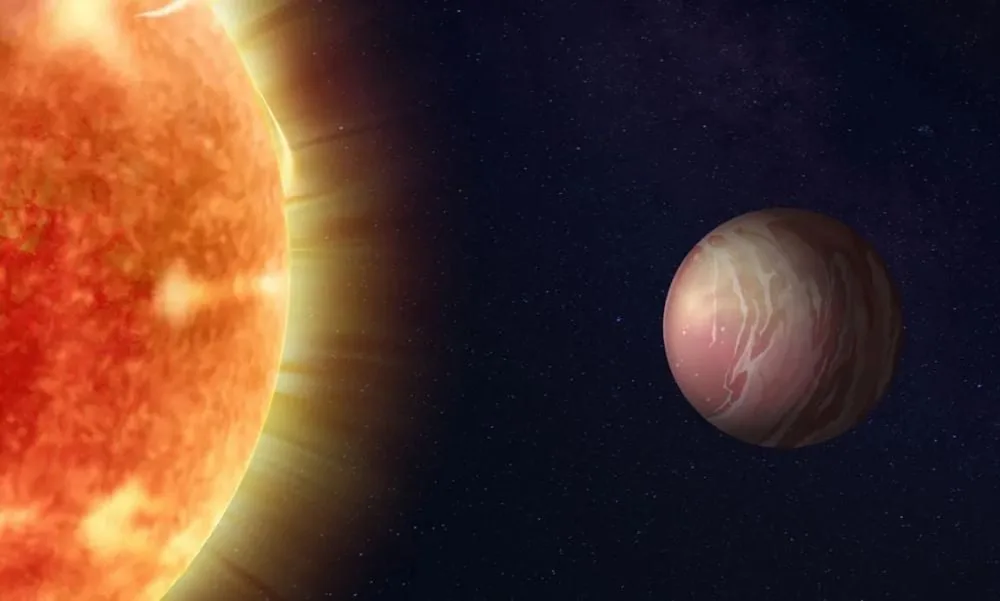
How low-mass M-dwarf stars come to host close-in giant planets has long been a major puzzle in planetary formation theory. The protoplanetary disks surrounding M dwarfs are typically thought to lack sufficient material to form giant planet cores. A new study led by Shunjing Zhao et al., published in The Astrophysical Journal Letters (ApJL), introduces an innovative mechanism to explain these unusual planetary configurations. The research examines how dynamic interactions between M-dwarf systems and surrounding stellar environments influence planetary evolution.
Stellar Flybys and Secondary Accretion
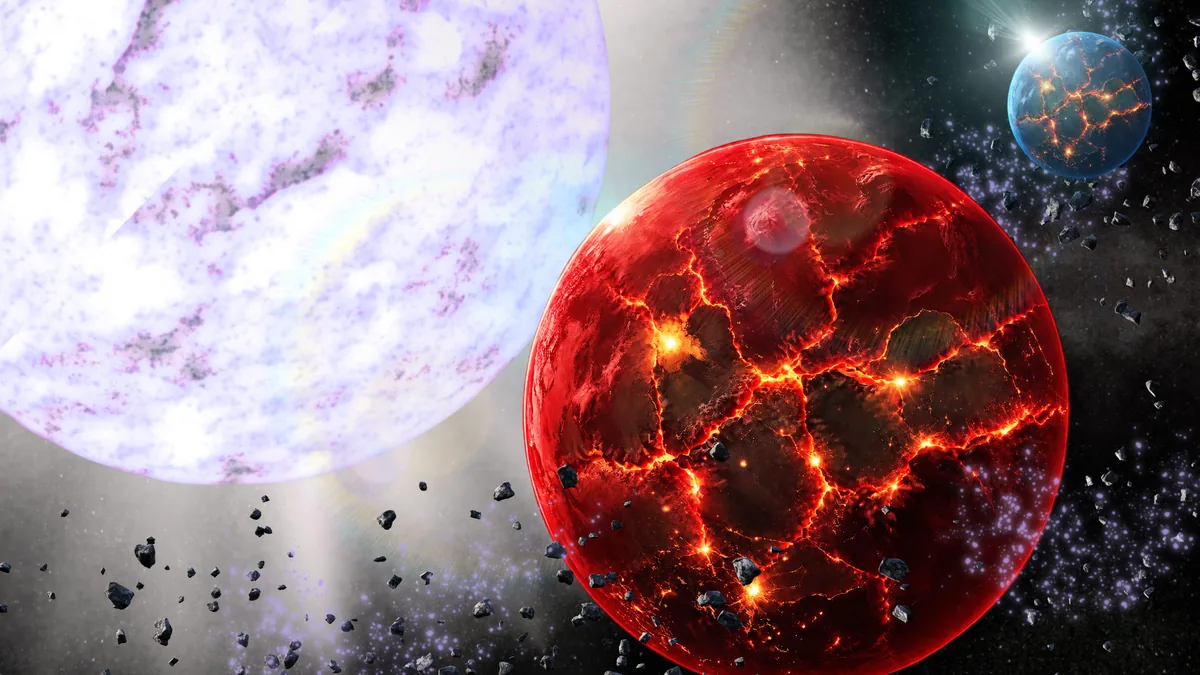
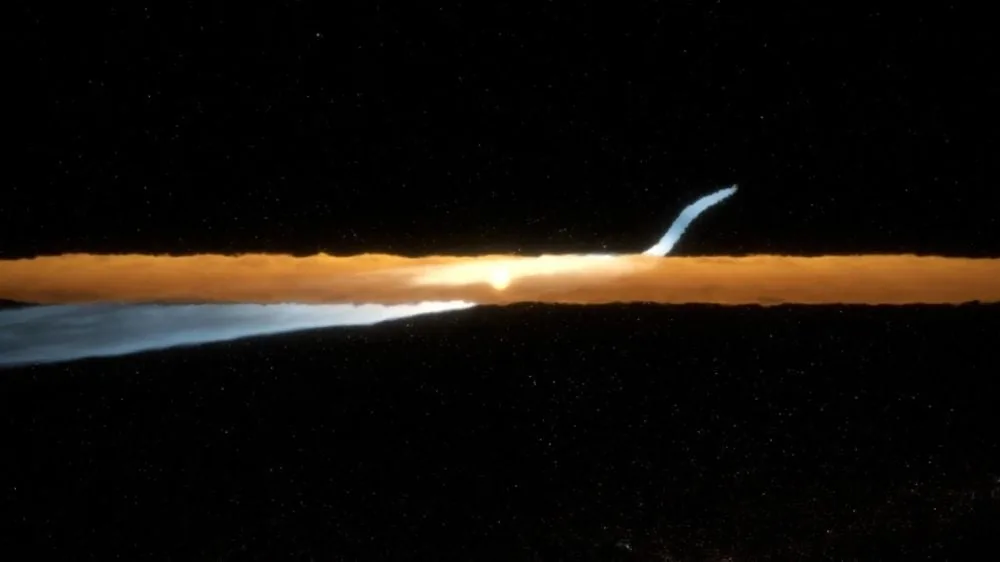
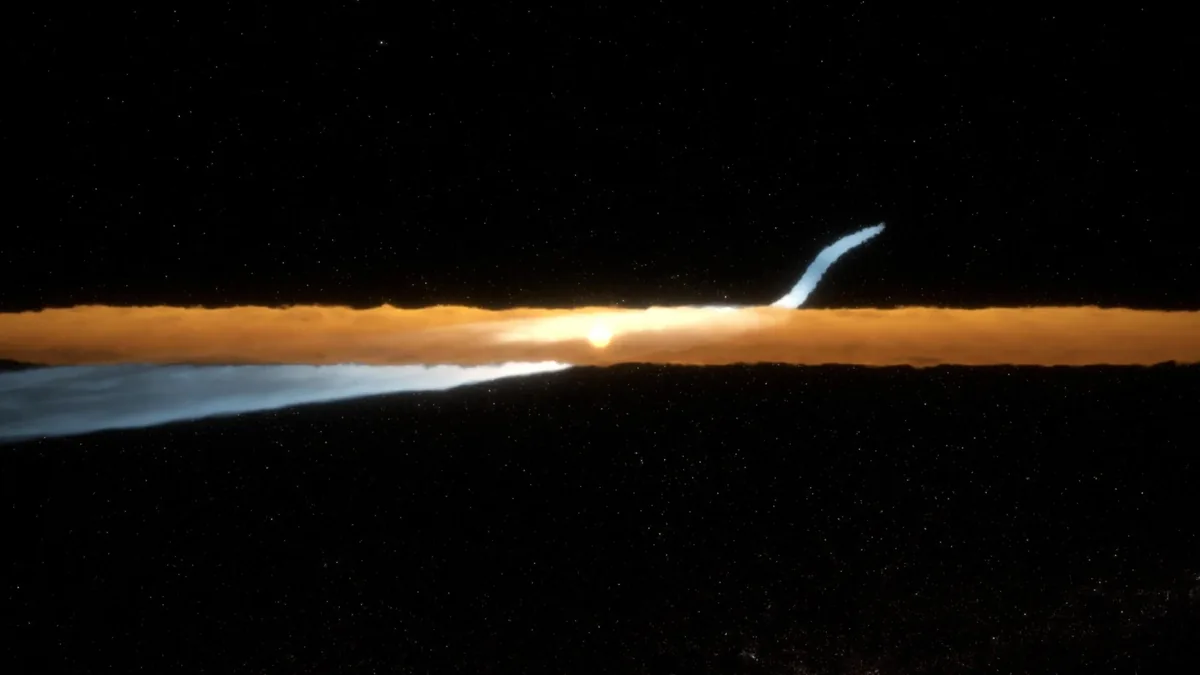
According to the theory proposed by the research team, an M-dwarf star hosting an initial rocky planet can pass directly through the gas- and dust-rich circumstellar disk of another young star. During this stellar flyby event, the rocky planet orbiting the M dwarf accretes a significant amount of material from the passing star's disk, initiating a secondary accretion phase. As the planet rapidly gains mass, gravitational interactions cause it to migrate inward toward its host star, settling into a close-in giant planet orbit.
Implications for Planetary System Models
This proposed "flyby-induced second accretion" scenario provides a compelling mechanism for the existence of giant planets around M dwarfs, which standard planet formation models struggle to account for. The researchers highlight that dynamical environmental interactions within dense stellar clusters may play a far more crucial role in shaping planetary system architectures than previously assumed. Future observational efforts and advanced numerical simulations will help constrain the frequency of such stellar flyby events.
Comments
Loading comments...