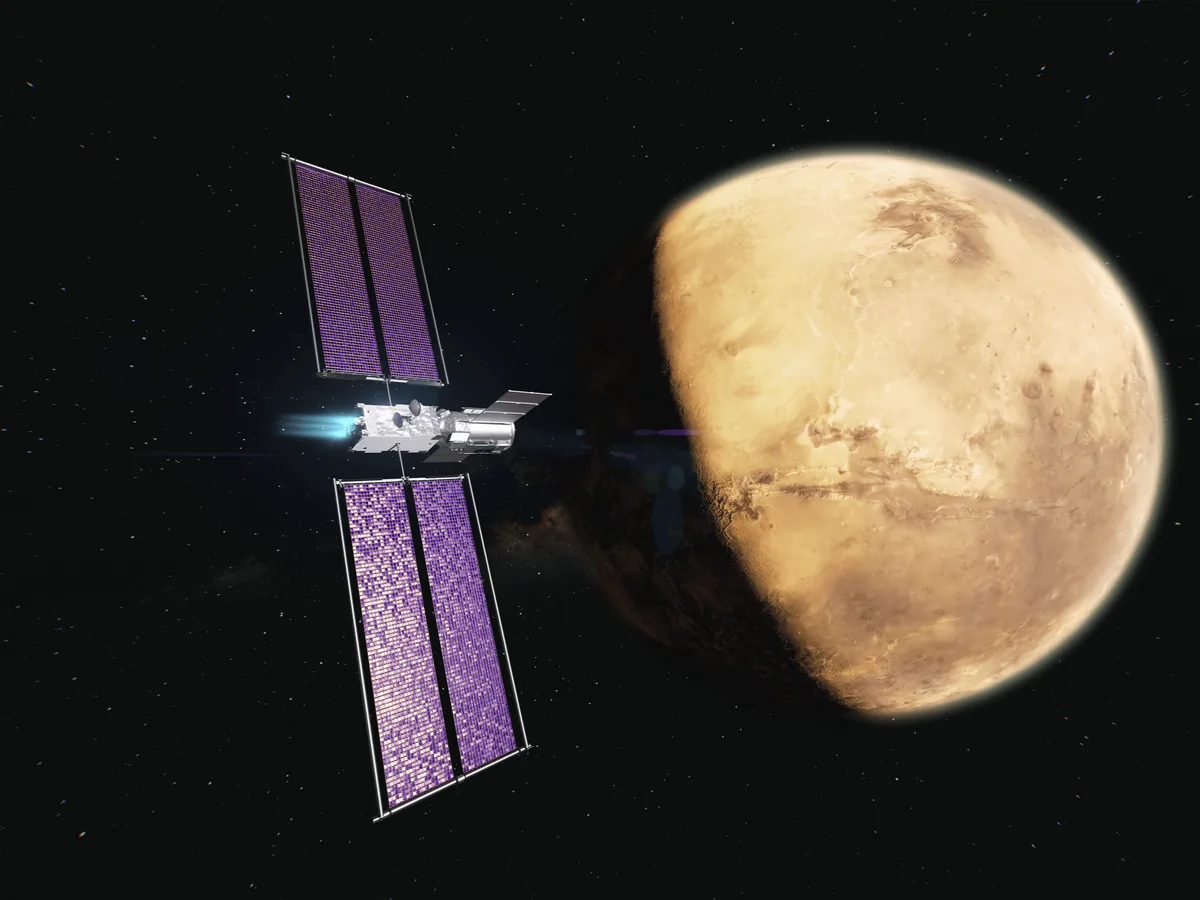
Nuclear Propulsion Architecture Locked in for Deep Space
NASA has finalized the mission architecture and locked in key elements for the Space Reactor-1 (SR-1) Freedom spacecraft, which is designed to demonstrate nuclear electric propulsion in deep space for the first time. The project team successfully completed a major system review. Targeted for launch in 2028, this milestone mission aims to open a new chapter in deep space transportation technology.
Key Meeting at NASA's Glenn Research Center
The major architecture review took place at NASA’s Glenn Research Center, bringing together experts from across the agency, the U.S. Department of Energy (DOE), and industry partners. The combined team reviewed the spacecraft design, system integration, and operational phases required to demonstrate nuclear electric propulsion technology in the harsh environment of deep space.
Impact on Future Deep Space Exploration
The primary goal of the SR-1 Freedom mission is to validate nuclear electric propulsion technology during spaceflight for the first time. Successfully demonstrating this capability in deep space could enable faster travel times and higher energy efficiency for future robotic and human exploration missions targeted toward Mars and the outer solar system.

Comments
Loading comments...