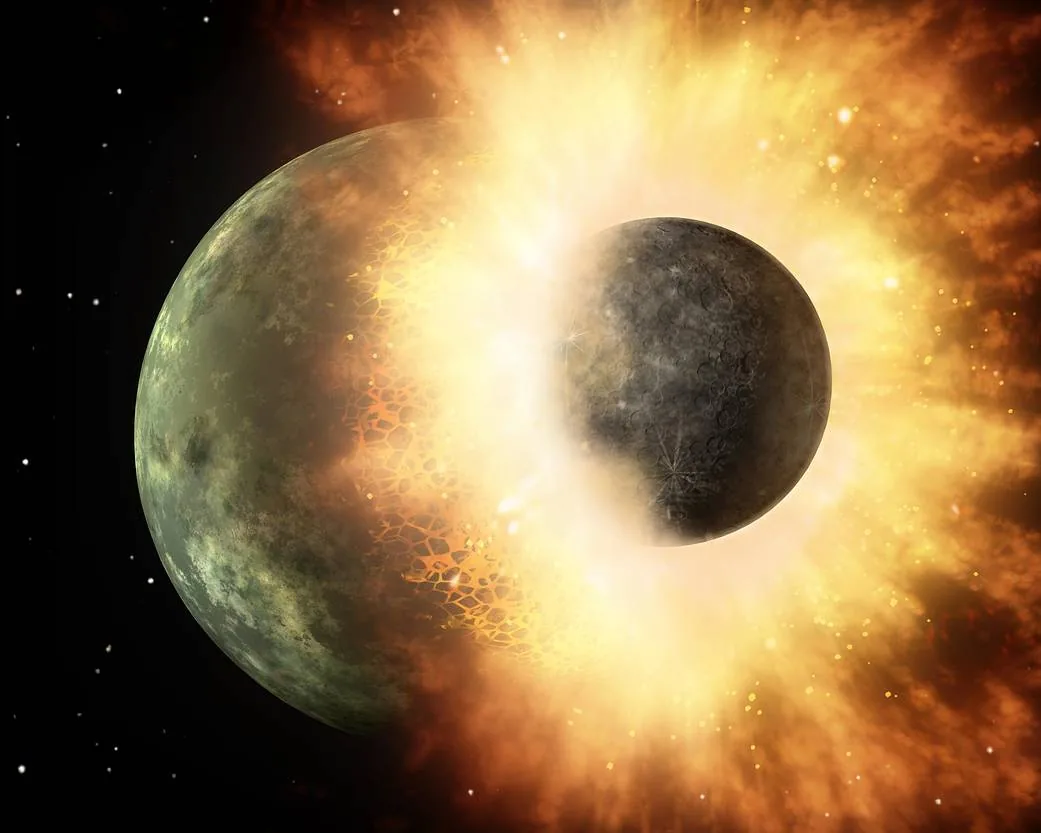
Violent Collisions in Distant Planetary Systems
The nascent stages of planetary systems are marked by intense turbulence, where massive building blocks of worlds collide in dramatic fashion. Astronomers are closely examining these planetesimal wrecks—protoplanetary fragments that never coalesced into full-fledged planets—around distant stars, seeking to understand the destructive side of planet formation.
Infrared Data from Webb and Spitzer
To inspect the dust and debris generated by these cosmic smashups, researchers are combining long-term archival data from the retired Spitzer Space Telescope with the cutting-edge sensitivity of the James Webb Space Telescope. By observing in infrared wavelengths, astronomers can penetrate obscuring clouds and detect thermal emission from pulverized mineral dust and shattered rocky fragments.
Refining Models of Planetary Evolution
These dual-observatory findings allow astronomers to determine why certain stellar environments successfully foster mature planets while others remain locked in chaotic wreckage. The resulting data provide vital constraints on planetary accretion theories and lay the groundwork for targeted follow-up surveys with Webb to map dust composition across varied stellar systems.
Comments
Loading comments...