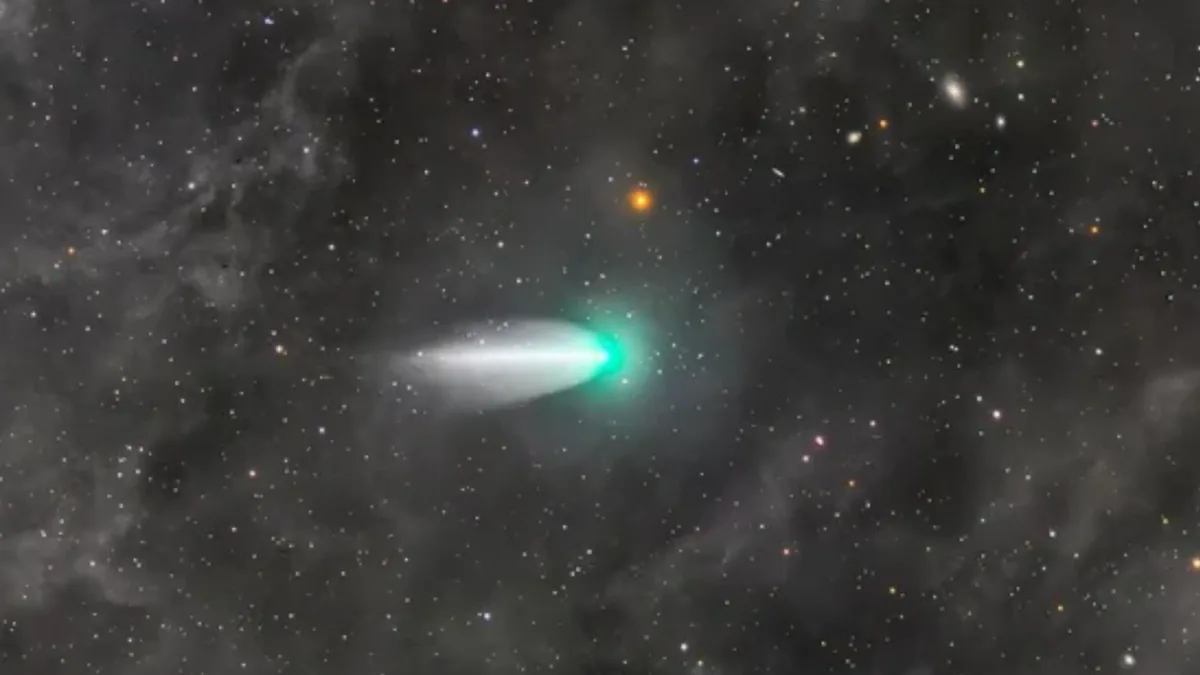
The Unexpected Brightening of Comet 220P/McNaught
In one of the most striking celestial events of this summer, comet 220P/McNaught burst into intense activity, capturing the attention of the astronomical community. Unexpectedly increasing its brightness by thousands of times, the comet became a major highlight for both amateur and professional stargazers.
Gas Escape Mechanisms and Fragmentation
Technical analysis and brightness observations revealed that high-pressure gases escaping from within the comet caused the dramatic outburst. As volatile gases rapidly vented out, they tore apart sections of the comet's nucleus, creating a vast cloud of dust and gas that significantly boosted its reflectivity.
Insights into the Internal Dynamics of Small Bodies
This dramatic fragmentation event on 220P/McNaught offers valuable insights into the fragile structure of comets and their volatile behavior near the Sun. The observations provide crucial data on mass loss processes in these primordial remnants of the Solar System.

Comments
Loading comments...