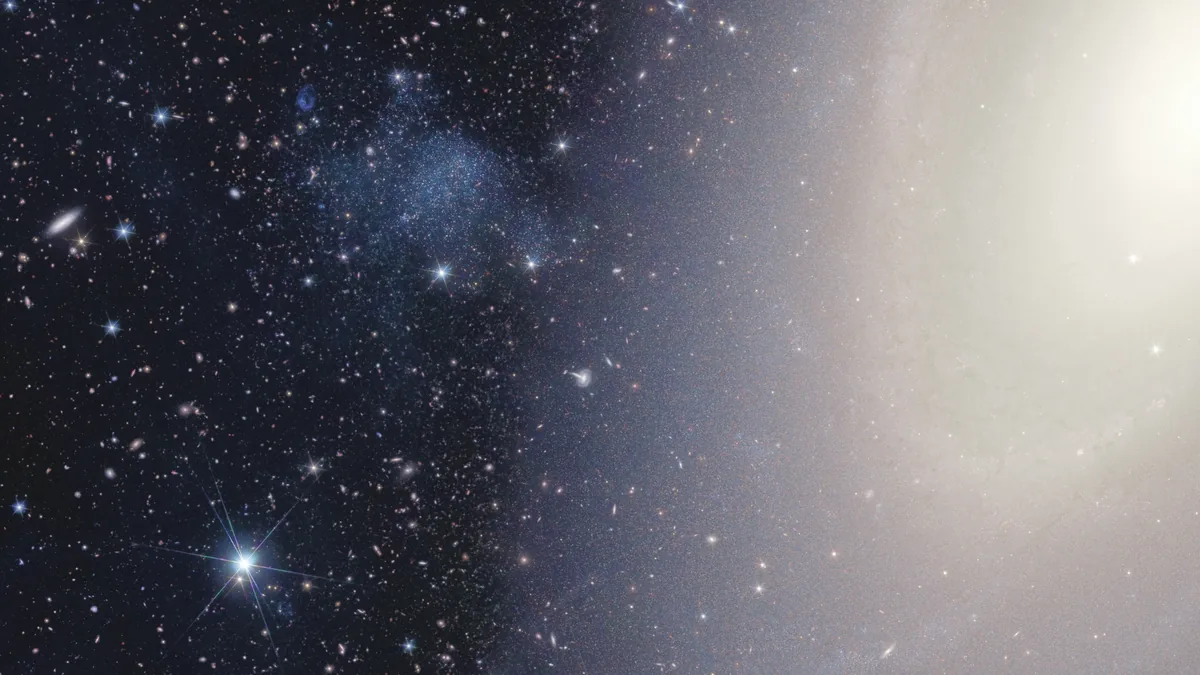
A Major First Look into the Dark Universe
The Euclid space telescope has officially released its first major batch of observational data, marking a monumental milestone in its mission to survey the dark universe. Designed to probe the mysterious nature of dark matter and dark energy, the space observatory is dedicated to mapping the cosmic web and tracking the expansion history of the universe. This initial data release represents a major step forward for modern observational cosmology.
Unprecedented Sky Coverage and Over a Billion Objects
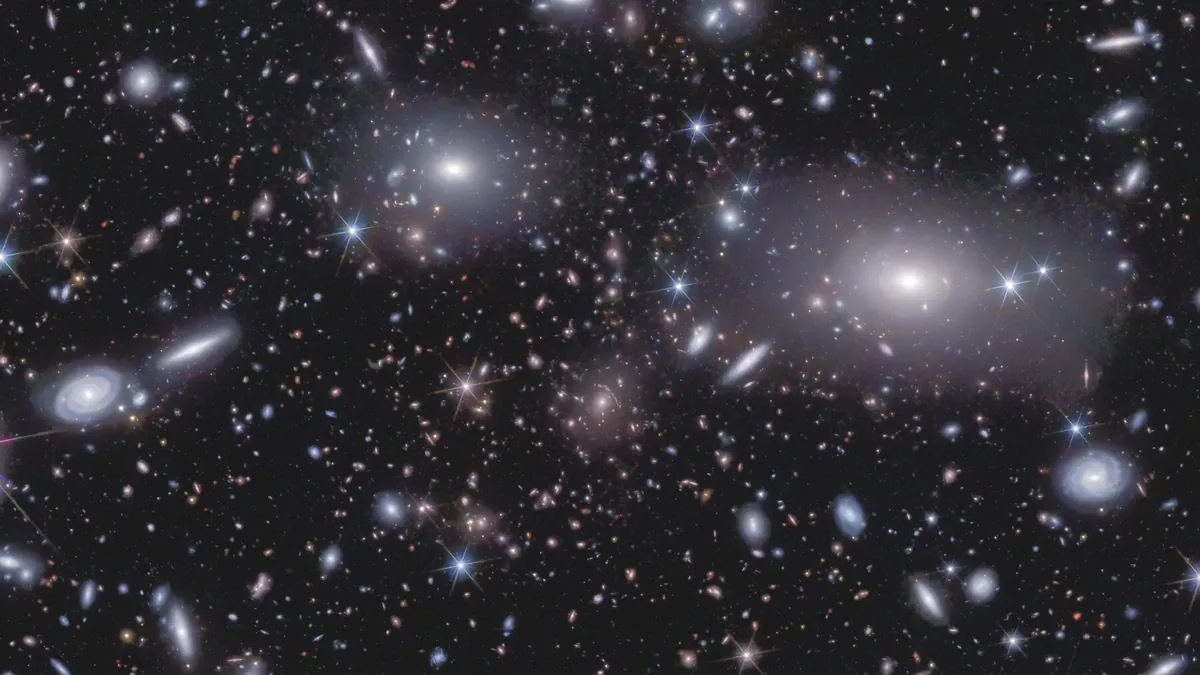
The newly unveiled dataset encompasses an immense region of the sky equivalent to the area of approximately 9,500 full moons. Across this vast cosmic expanse, Euclid captured the faint light emanating from more than a billion astronomical objects with extraordinary detail. The high-resolution measurements provide astrophysicists with unprecedented information regarding galaxy shapes, brightness levels, and spatial distributions across billions of light-years.
Implications for Dark Matter and Future Surveys
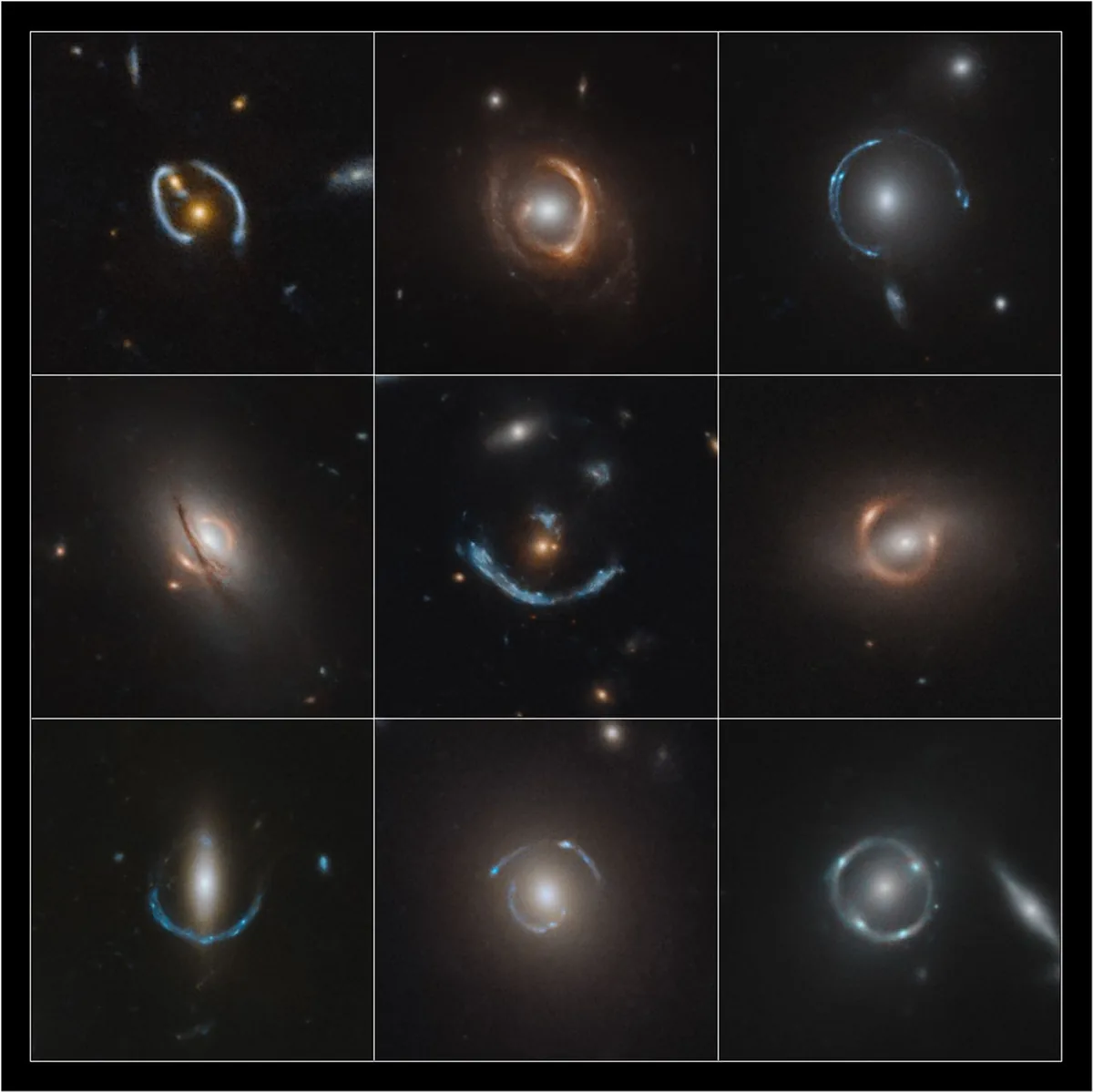
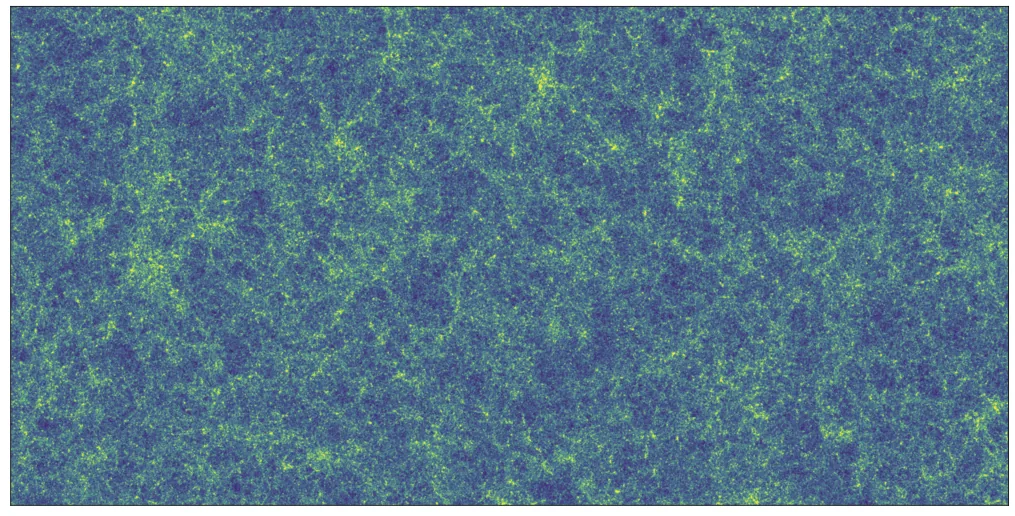
Researchers will utilize this vast wealth of data to measure weak gravitational lensing effects, analyzing how dark matter warps the light of background galaxies as it travels through space. By reconstructing a high-precision three-dimensional map of the cosmos, Euclid will help test fundamental physics and refine our understanding of dark energy. Subsequent data releases over the coming years are expected to provide even deeper insights into the fundamental forces shaping the universe.
Comments
Loading comments...