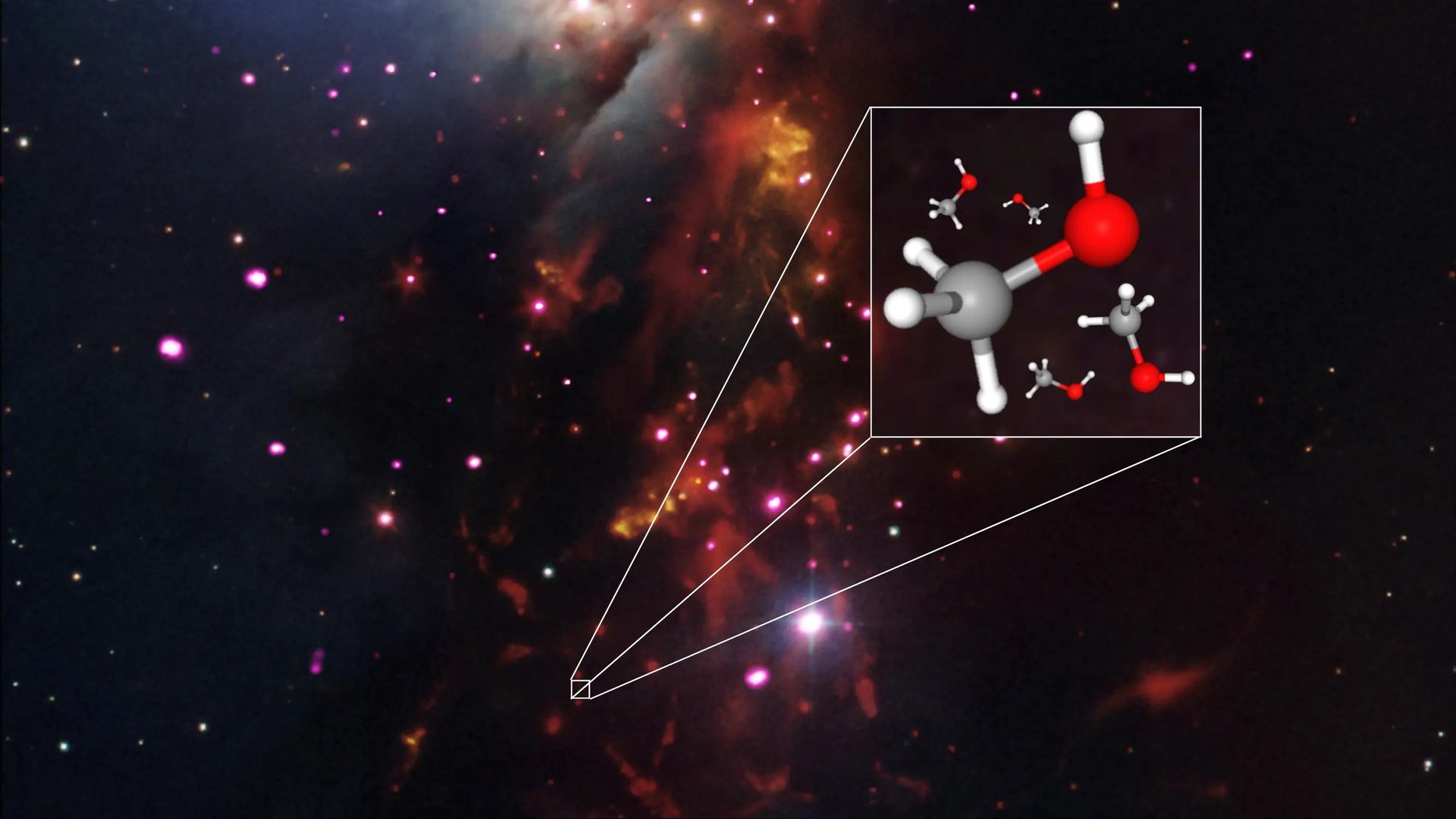
Historic Detection via the ALMA COMPASS Program
An international team of scientists working within the ALMA COMPASS Large program has detected a rare form of methanol, commonly known as wood alcohol, in space for the first time. The discovery underscores the power of the Atacama Large Millimeter/submillimeter Array in deciphering complex chemical signatures within the cosmos.
Spectroscopic Signatures of Rare Molecules
By measuring precise radio wavelengths emitted by interstellar gas clouds, the research team identified the distinct spectral signature belonging to this unique methanol variant. The detection demonstrates the intricate chemistry that occurs in extreme, frigid environments across star-forming regions.
Implications for Astrochemistry and Planetary Origins
Identifying diverse organic molecules in space provides crucial clues about the chemical building blocks available during the birth of stars and planetary systems. This breakthrough helps refine models of interstellar chemical synthesis and sets the stage for further molecular surveys with ALMA.



Comments
Loading comments...