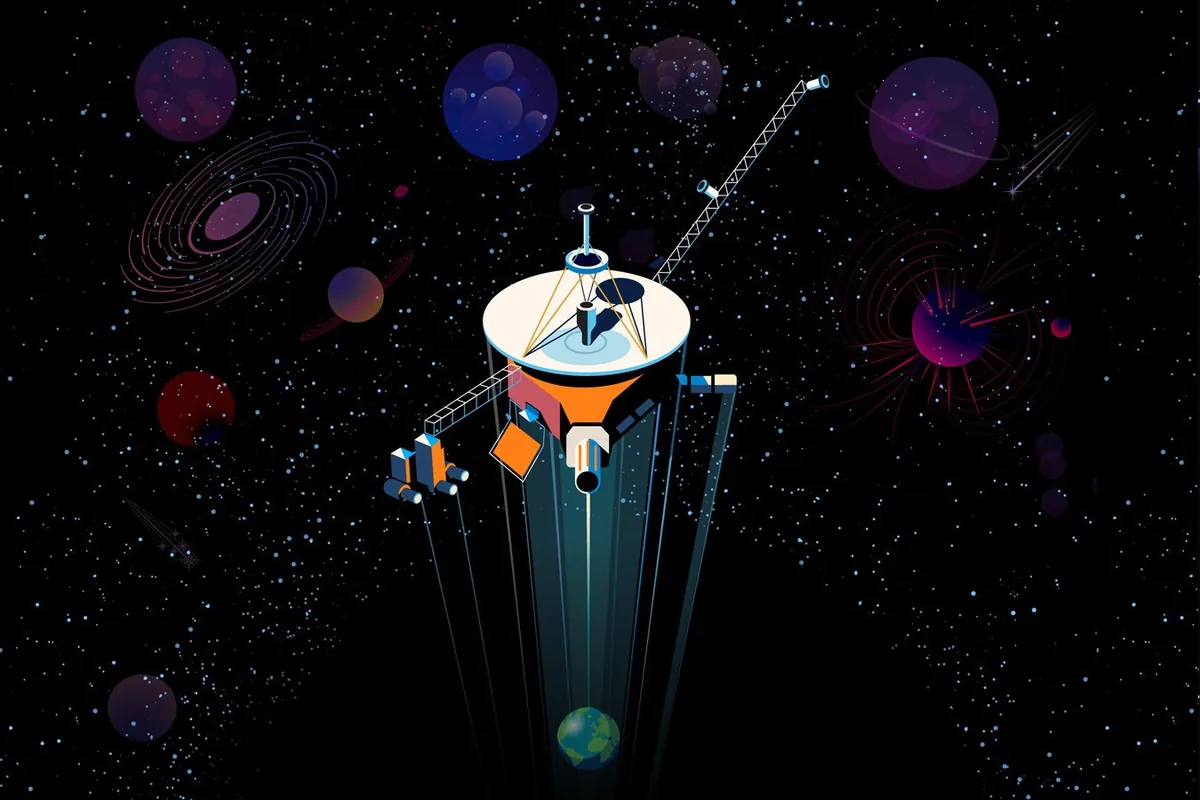
A Historic Milestone in Interstellar Space
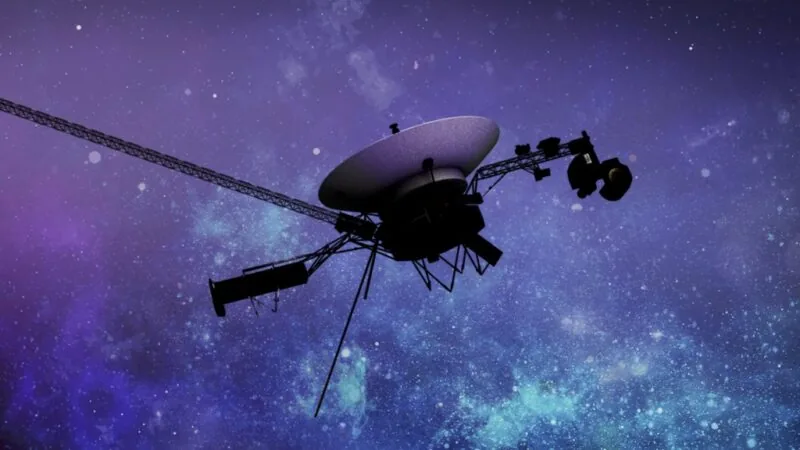
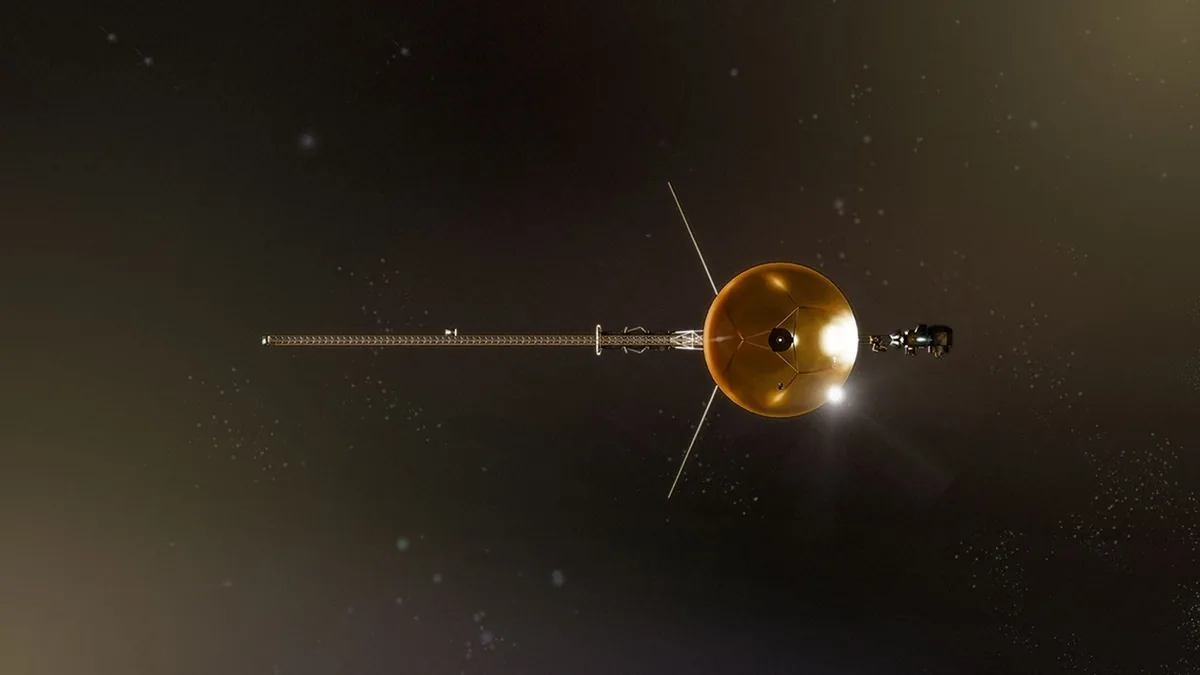
Voyager 1, the most distant human-made object from Earth, has crossed a staggering new threshold in its voyage across the cosmos. The probe is now located at an unprecedented distance of one full light day from our home planet. Launched nearly 50 years ago to explore the outer reaches of our planetary neighbourhood, the spacecraft continues its march into the deep void, expanding humanity's footprint beyond the boundaries of the solar system.
Light-Speed Latency and Extreme Range Tracking
Being one light day away means that any radio communication sent from Voyager 1 requires a full 24 hours traveling at the speed of light to reach ground stations on Earth, with a matching 24 hours needed for any return transmission. Despite the immense distance and aging onboard systems, the probe continues to gather and transmit unique data points concerning the physical characteristics of the interstellar environment, local magnetic signatures, and cosmic radiation fields.
Transforming Planetary Science and Human Perspective
Spanning five decades, the journey of Voyager 1 has revolutionized human understanding of the outer planets, their dynamic moons, and our place in the universe. After completing its primary planetary encounters, the probe traversed the heliopause to become the first artificial craft to directly sample the medium between stars. The measurements returning from this extreme boundary continue to refine contemporary models of interstellar space and cosmic astrophysics.
Comments
Loading comments...