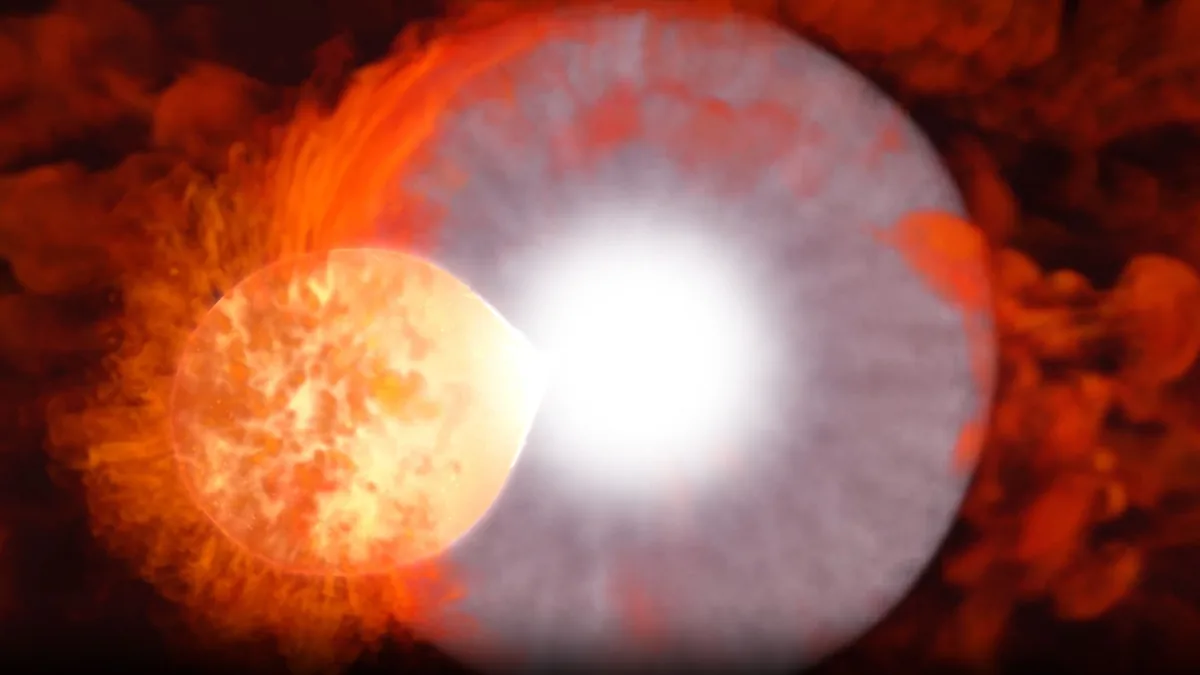
The Blaze Star and Binary System Dynamics
For the past two years, stargazers and astronomers have been waiting with bated breath for a rare nova explosion in the binary system T Coronae Borealis, also known as T CrB. This cosmic event will produce a dramatic light in the night sky, originating from one of the most cataclysmic phenomena known in space. However, pinpointing the exact timing of this overdue brightening remains a major scientific challenge.
The 80-Year Cycle and Physical Mechanisms
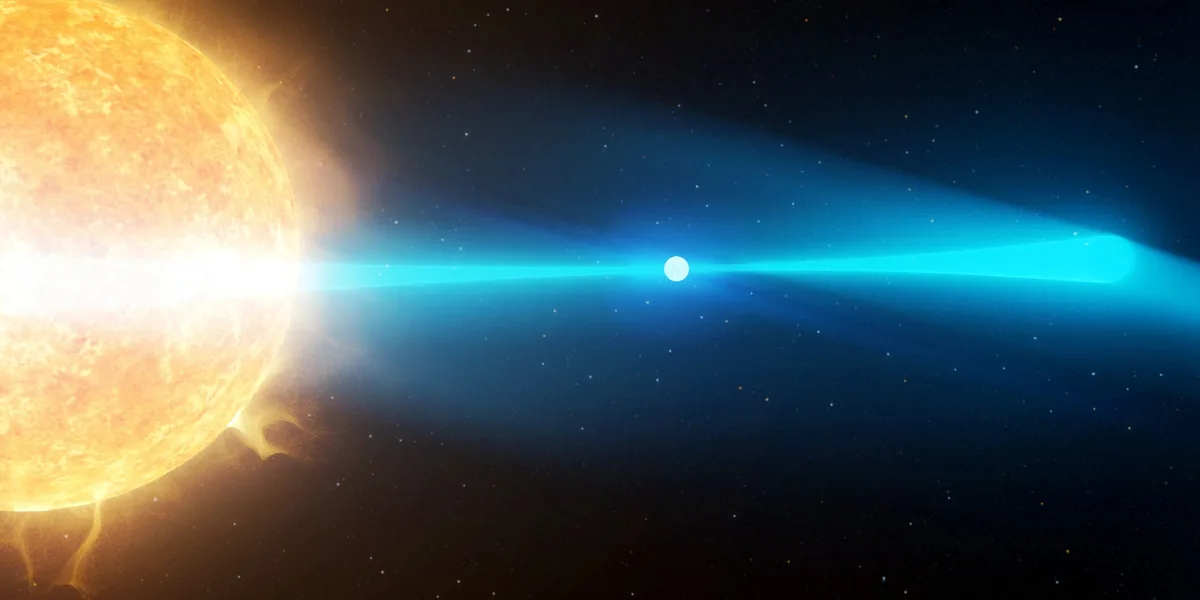
T Coronae Borealis is not a single isolated star, but a binary system containing a dense white dwarf and a bloated red giant companion. Over an approximately 80-year cycle, the intense gravity of the white dwarf steadily strips material from the outer layers of the red giant. Once this accreting material hits a critical threshold, a dramatic thermonuclear nova explosion is triggered.
Dramatic Flaring and Observation Outlook
During the nova event, the binary system flares up to 1,000 times its usual brightness, appearing as a prominent new star in the night sky. After reaching this peak brightness, the system gradually settles back down to repeat its multi-decade cycle. Astronomers continue to monitor T CrB to better understand the timing and physical triggers of recurring novae.
Comments
Loading comments...