The Critical Role of Launch Infrastructure in Spaceflight
In the modern era of spaceflight, launch infrastructure stands as one of the most critical components determining the success and cadence of rocket operations. Developing new heavy-lift launch vehicles demands robust ground systems, launch pads, propellant farms, and integration towers that form the operational backbone of space missions. For space agencies and commercial launch providers alike, establishing these expansive facilities dictates the long-term feasibility of aggressive launch schedules.
Comparing KSC and Starbase Construction Timelines
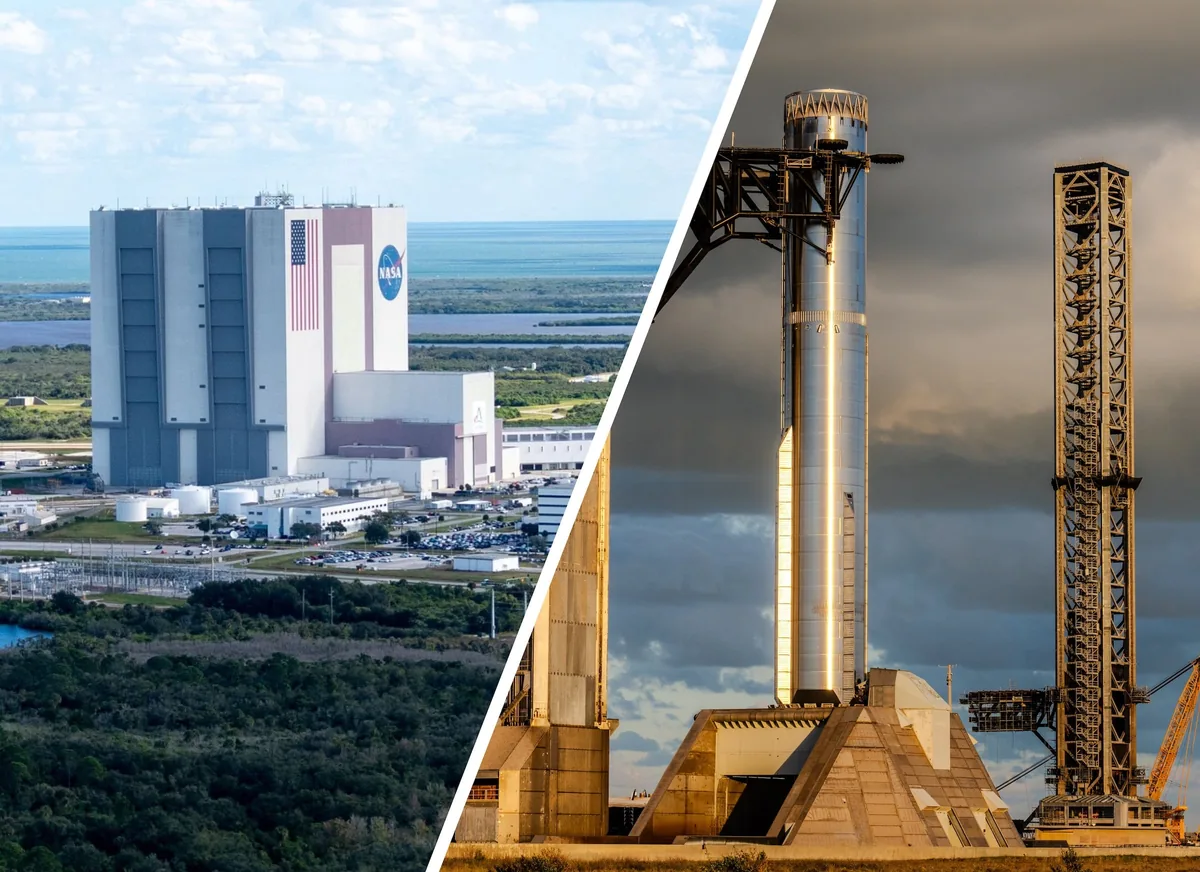
The construction timelines of Florida's historic Kennedy Space Center (KSC) and the Starbase facility in Boca Chica offer two distinct case studies in ground system development. While KSC reflects decades of established, institutional launch pad architecture, Starbase embodies a rapid-prototyping, highly iterative construction methodology. Evaluating the progression rates and structural milestones between these two complexes highlights major bottlenecks and efficient practices in heavy launch engineering.
Projecting the Growth of Starbase in Louisiana
Applying the comparative lessons from KSC and Boca Chica provides valuable insight into the expected developmental trajectory of Starbase, Louisiana. Understanding historical construction phases helps engineers and planners forecast logistical requirements and optimize facility readiness. The timely deployment of such launch and manufacturing infrastructure is vital for maintaining high launch tempos and sustaining future planetary and orbital missions.


Comments
Loading comments...