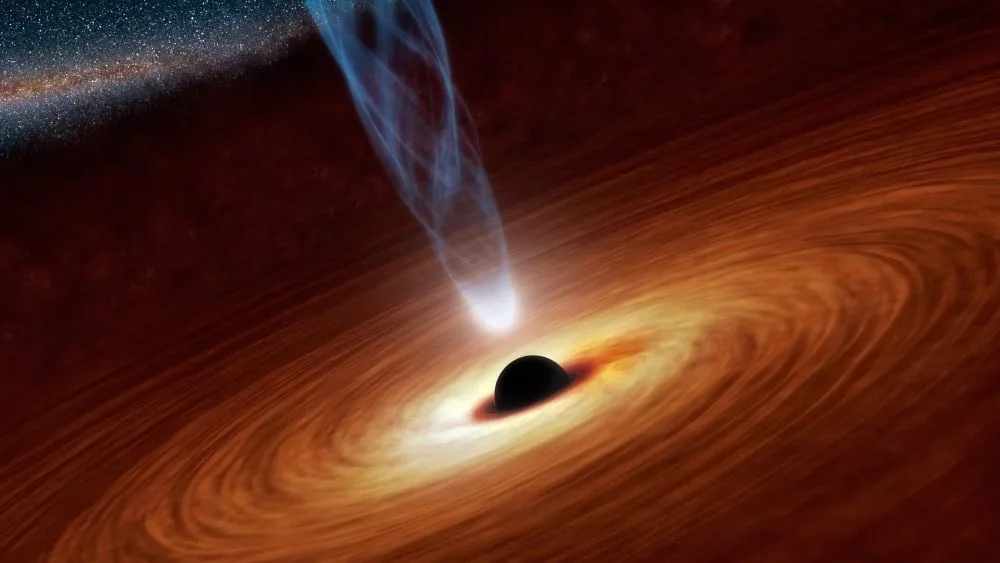
Probing Extreme Cosmic Objects at MIT
Unraveling the physics of the universe's most energetic and dense phenomena remains one of modern astrophysics' foremost challenges. At the Kavli Institute for Astrophysics and Space Research at the Massachusetts Institute of Technology (MIT), Professor Erin Kara is spearheading efforts to enhance our understanding of these extreme objects. By pushing the boundaries of standard observational approaches, the research team is dedicated to illuminating the physical processes at work in the cosmos' most demanding environments.
Techniques of X-ray Reverberation Mapping
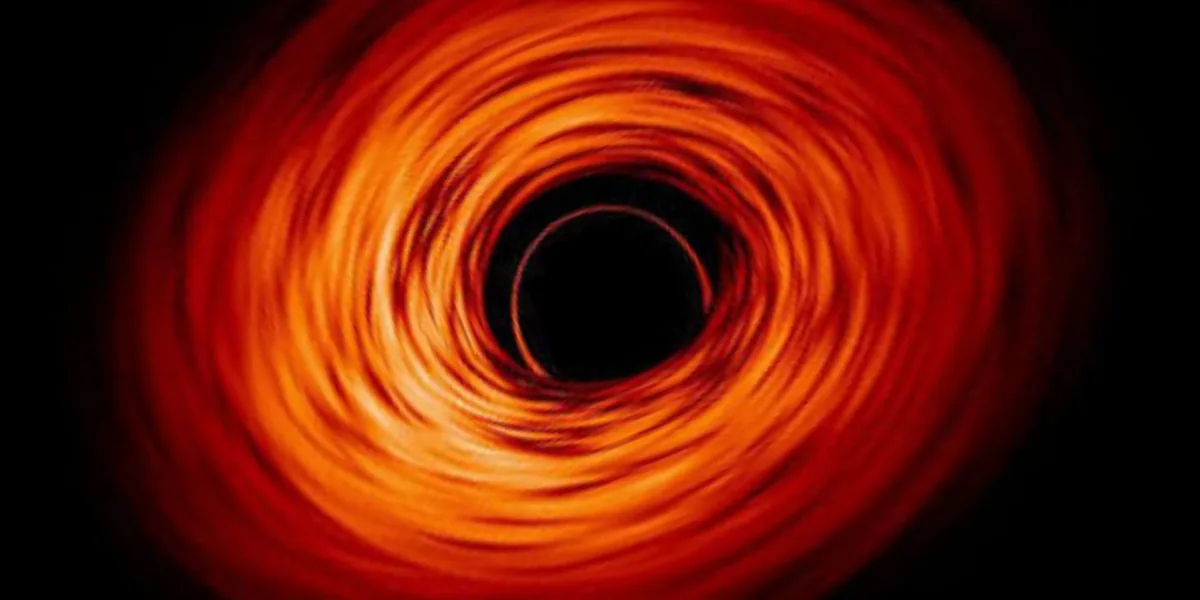
At the core of this scientific program lies the application of X-ray reverberation mapping alongside multi-wavelength astrophysical data sets. When energetic X-ray radiation reflects and echoes off matter situated within deep gravitational wells, it produces measurable time delays and spectral distortions. Professor Kara analyzes these subtle reverberations to trace the spatial geometry and dynamical motions of matter surrounding these extreme entities, effectively mapping regions that cannot be resolved through conventional direct imaging.
Broader Implications for Astrophysics and Future Studies
The insights drawn from X-ray reverberations contribute significantly to testing gravity theories and refining astrophysical accretion models. By decoding how extreme cosmic bodies interact with nearby material, this research establishes vital benchmarks for existing and upcoming high-energy space observatories, steering the future trajectory of relativistic astrophysics.
Comments
Loading comments...