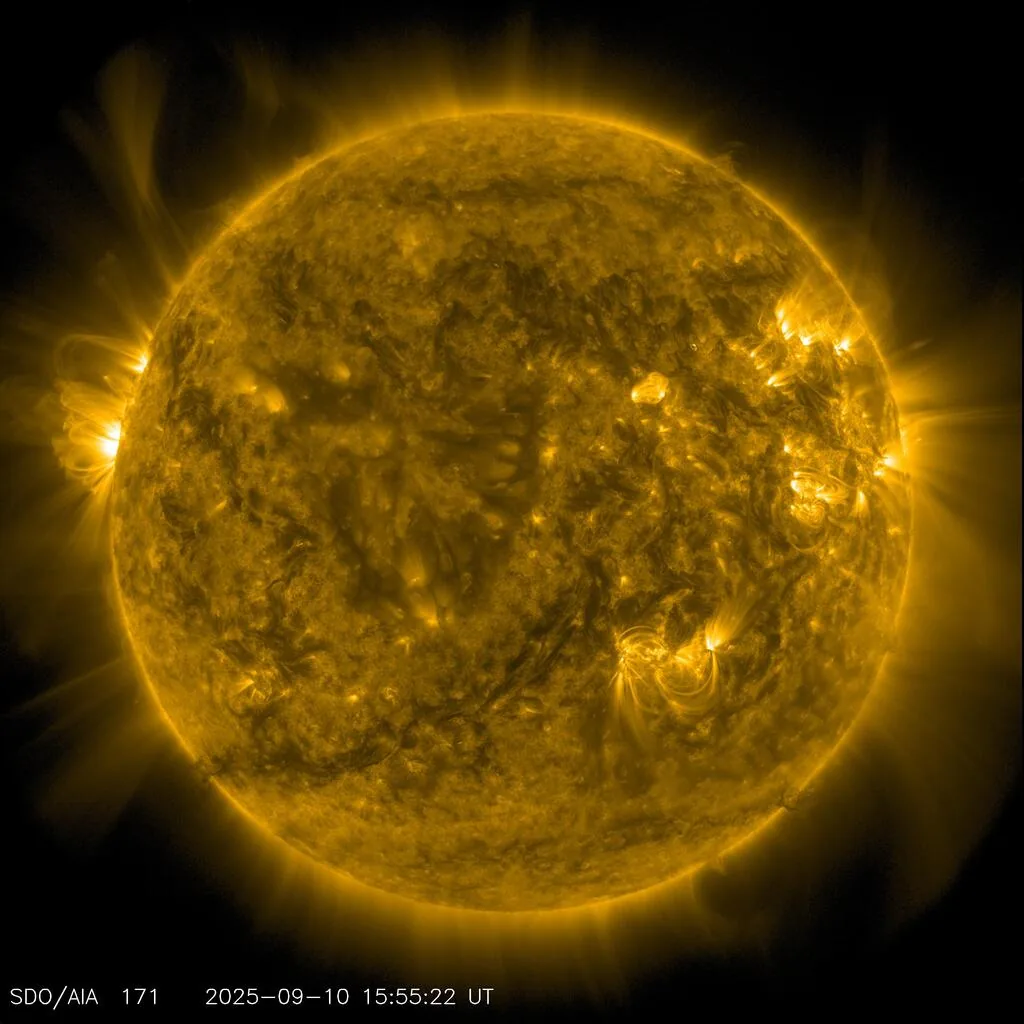
Predicting the Solar Far Side
The Sun completes a full rotation roughly every 27 days, meaning observers on Earth can only see half of its surface at any given moment. This makes it challenging to detect active regions on the far side that could rotate toward Earth weeks later and affect space weather.
A New Probability-Based Mapping Technique
A team of physicists led by Bibhuti Kumar Jha at the Southwest Research Institute developed a novel technique using probability calculations to map active regions that cannot be directly observed. Published in The Astrophysical Journal Supplement Series, the study renders far-side solar activity visible through statistical models.
Space Weather Forecasting and Mission Safety
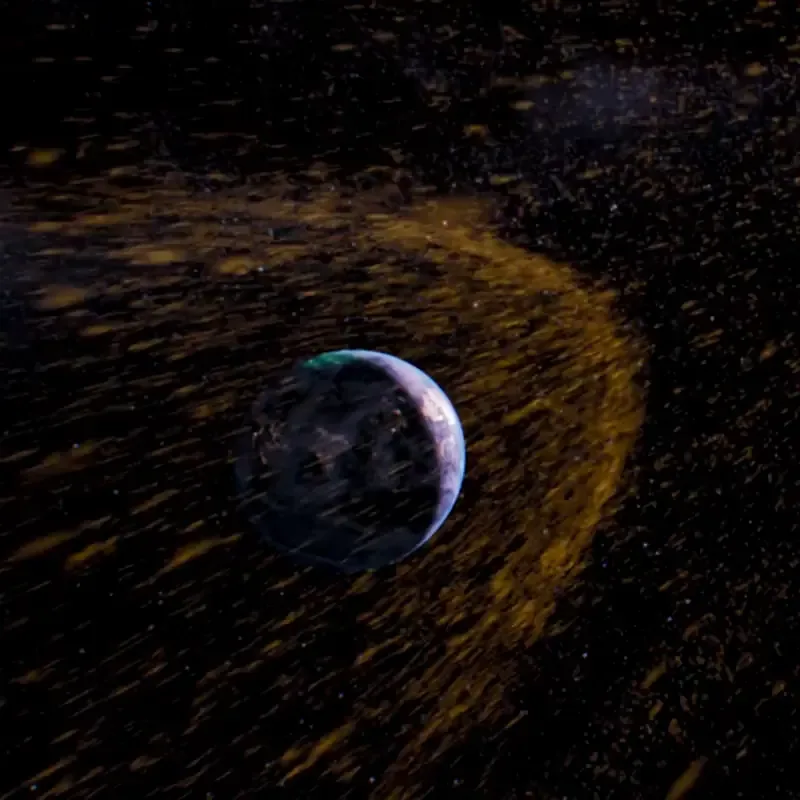
This new approach enables scientists to predict solar flares and coronal mass ejections weeks before they rotate toward Earth. Consequently, satellites, space stations, and terrestrial power grids can be safeguarded against potential space weather storms well in advance.



Comments
Loading comments...