Expanding Beyond the Apollo Sample Archive
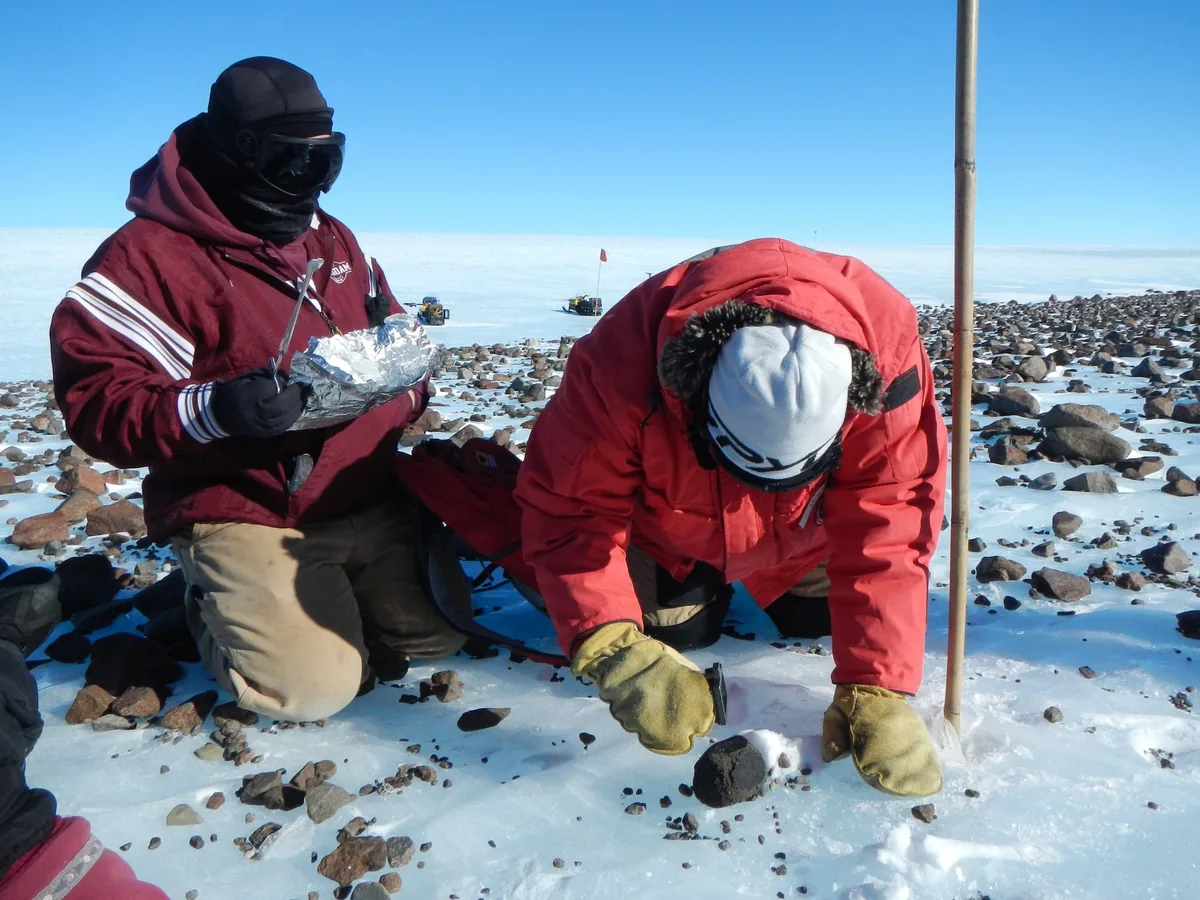
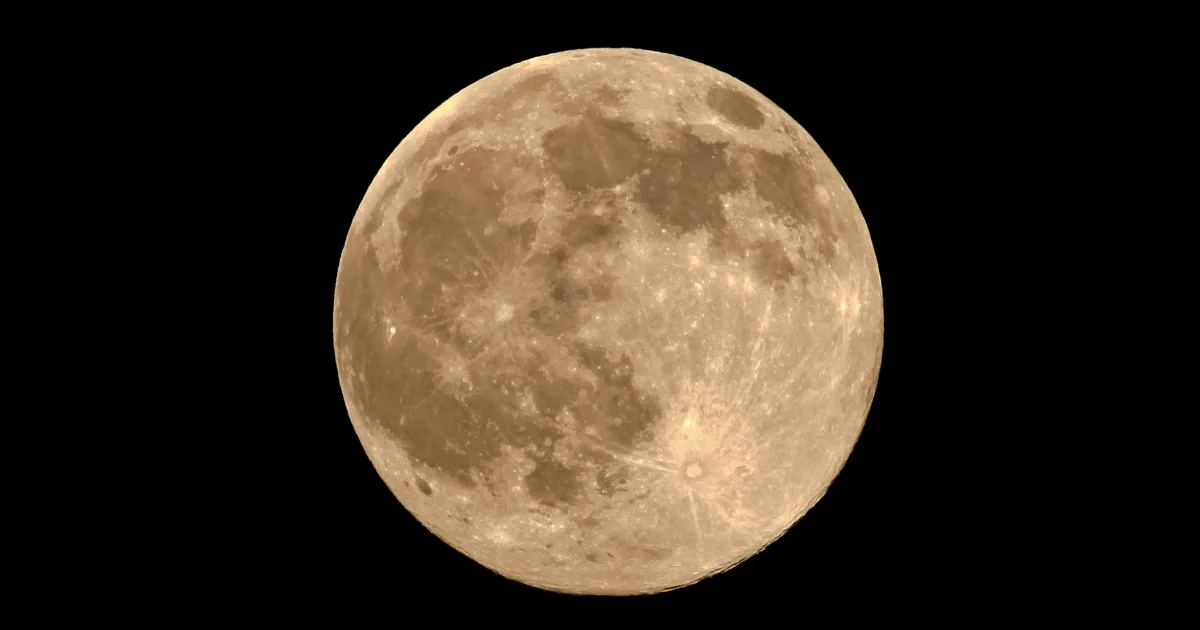
The vast majority of meteorites discovered on Earth originate from asteroids, making specimens from the Moon exceptionally rare and scientifically invaluable. Although planetary scientists have spent decades analyzing the pristine samples returned by the Apollo missions, those materials originate from limited landing sites. Consequently, researchers increasingly rely on lunar meteorites to achieve a more comprehensive view of our unusually large natural satellite.
Mineralogical Clues from Impact Ejecta
Lunar meteorites are launched into space by high-velocity impacts across diverse, unvisited regions of the Moon before eventually falling to Earth. Detailed laboratory analysis of these stones—including their isotopic compositions, mineral structures, and trace elements—reveals critical details about the cooling of the lunar crust and the timing of ancient volcanic activity that were absent in Apollo collection sites.
Significance for Planetary Formation and Exploration
These findings play a pivotal role in refining models of lunar differentiation and the broader collisional history of the inner Solar System. By integrating data from rare lunar meteorites with upcoming sample-return missions under modern lunar exploration programs, planetary scientists aim to resolve persistent discrepancies in the Moon's evolutionary timeline.
Comments
Loading comments...