Background of the Soviet Lunar Program and the Zond Series
On October 20, 1970, the Soviet Union launched the Zond 8 spacecraft, marking a key milestone in its lunar exploration efforts. The Zond program was developed primarily to pave the way for potential crewed flights, relying on circumlunar trajectories where spacecraft looped around the Moon before returning to Earth. Zond 8 became the final spacecraft in this historic Soviet lunar series.
Mission Profile and Technical Milestones
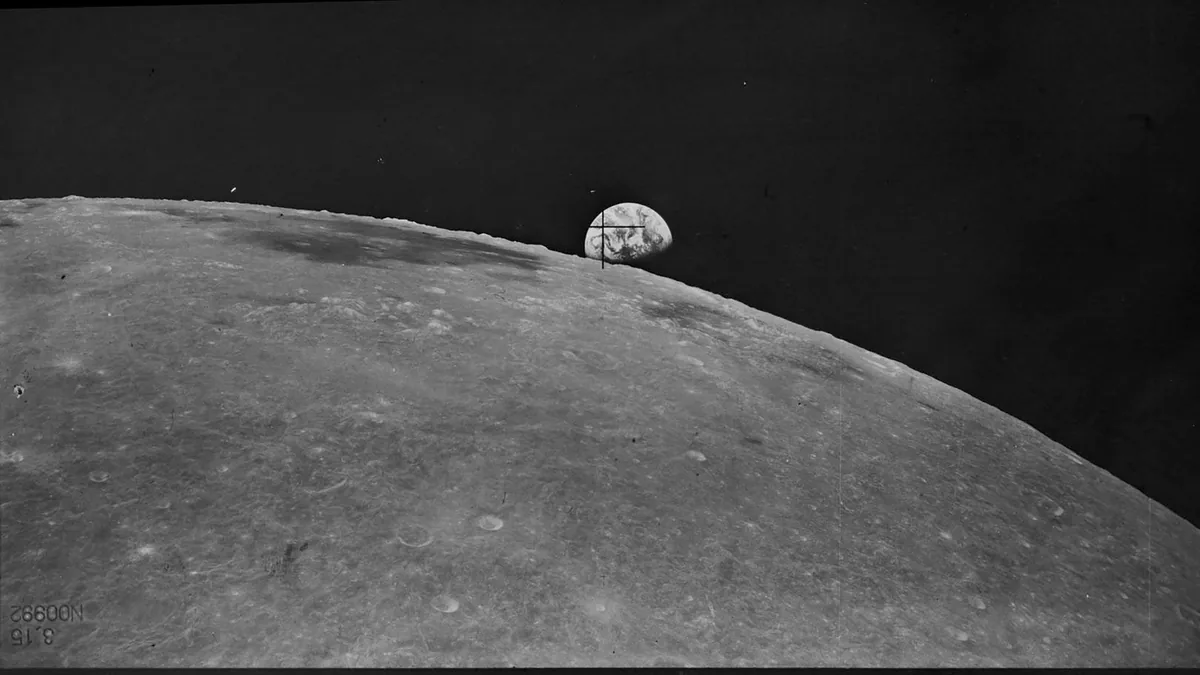
Following its launch, Zond 8 was placed on a precise trans-lunar trajectory to fulfill its scientific and engineering objectives. The flight aimed to investigate the cislunar environment, validate spacecraft flight systems, and capture high-resolution imagery of the Moon and Earth. The probe successfully orbited behind the Moon, collecting vital imaging data and environmental measurements throughout its journey.
Scientific Legacy and Place in Space History
The conclusion of the Zond 8 mission signaled the end of the Soviet Union's dedicated Zond lunar flights, closing an era in the Space Race. The technical insights gained from its orbital maneuvers and the imagery returned to Earth significantly enriched our knowledge of lunar geometry and the mechanics of interplanetary return trajectories.




Comments
Loading comments...