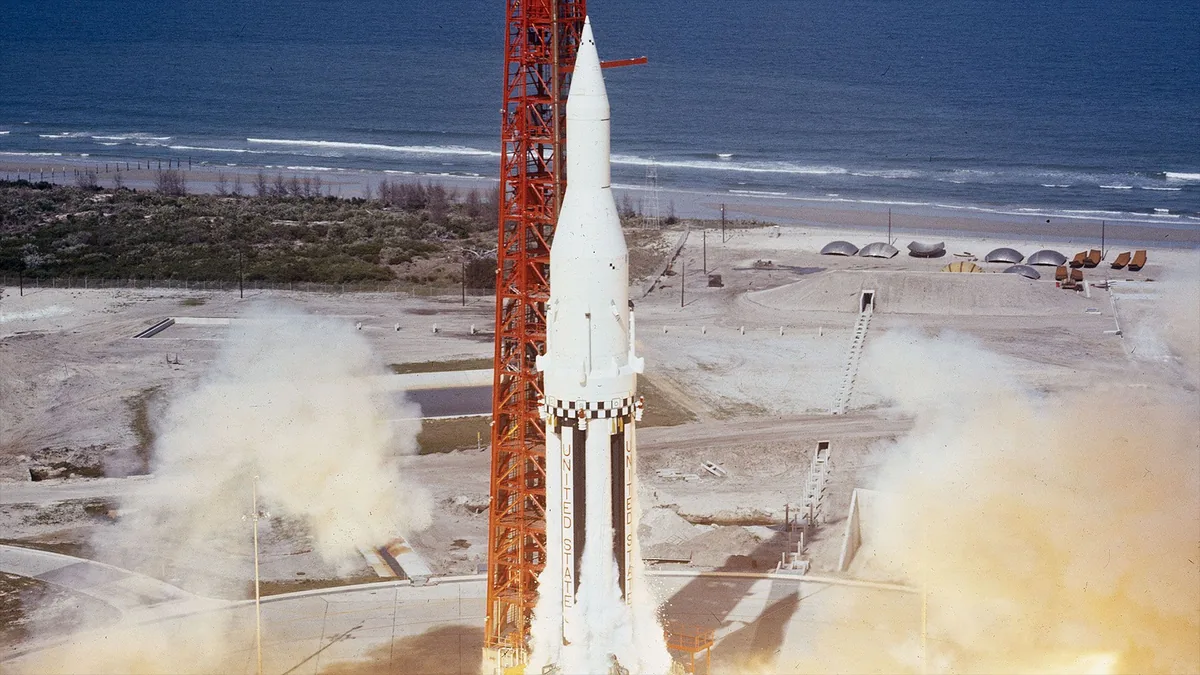
The Apollo 4 Mission and Saturn V's Maiden Flight
One of the most monumental milestones in space exploration occurred on November 9, 1967. NASA launched its colossal Saturn V rocket for the very first time as part of the Apollo 4 mission. This historic launch was conducted without astronauts on board, testing the massive rocket system's operational capabilities under real spaceflight conditions.
During this critical phase of the Apollo program, engineers aimed to verify the propulsion systems, structural integrity, and launch procedures before risking human crews. The test represented a fundamental step toward achieving a crewed lunar landing.
Technical Aspects of the Uncrewed Test Launch
The Saturn V vehicle flown during Apollo 4 was the most powerful launch vehicle constructed by NASA up to that point. With no crew aboard this inaugural flight, ground controllers and engineers meticulously monitored stage separations and system integration across all flight phases.
Executing this initial test without astronauts provided critical baseline data, demonstrating that the launch vehicle met strict safety and performance standards required for subsequent crewed missions.
Paving the Way for Lunar Exploration
The successful first test of the Saturn V rocket eliminated a major technological hurdle on the path to landing humans on the Moon. This milestone provided the technical confidence needed for the next phases of the Apollo program, culminating in crewed lunar landings.
The achievement on November 9, 1967, validated the reliability of Saturn V's architecture and marked the beginning of a transformative era in lunar exploration and spaceflight history.

Comments
Loading comments...