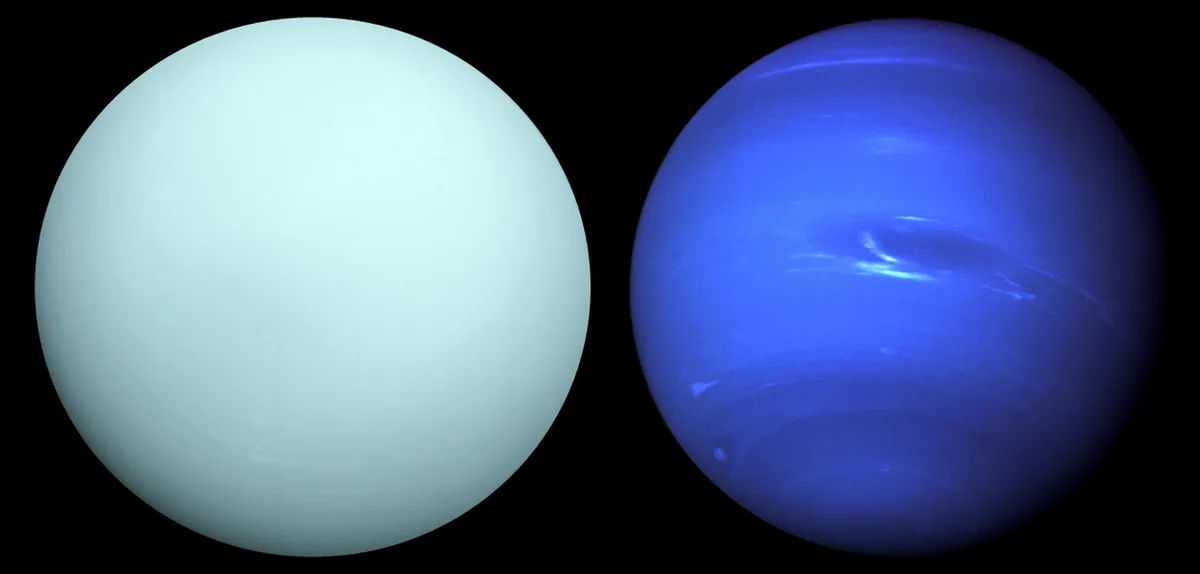
The Mysterious Nature of the Ice Giants
Located in the outer reaches of our solar system, Uranus and Neptune have long been classified as cold, frozen worlds known as 'ice giants'. However, recent scientific reports covered by Astrobites suggest that these massive planets may be concealing a surprisingly hot secret within their deep interiors. By re-evaluating internal structure models and atmospheric dynamics, researchers are challenging long-held assumptions in planetary science.
Thermal Dynamics and Interior Modeling
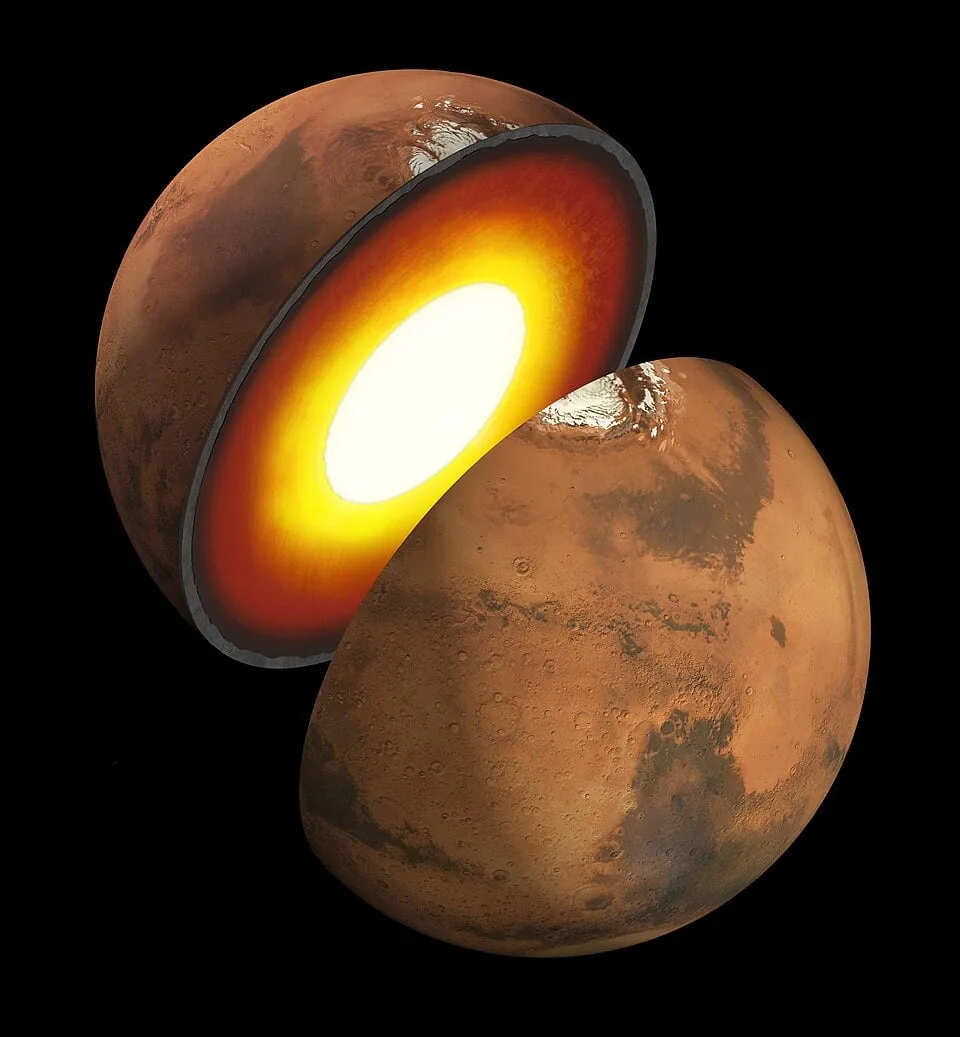
Analytical models assessing the mass, density, and radiation signatures of Uranus and Neptune indicate that the temperature profiles in their deeper layers could be much hotter than previously assumed. Scientists modeled convection mechanisms and material composition under extreme pressures to determine how heat flows from the deep interior. The calculations suggest that the simple label of 'ice giant' may obscure significantly warm thermal conditions in their mantles and cores.
Impact on Planetary Science and Exploration
These revelations carry major implications for understanding the formation and evolution of our solar system. Furthermore, because Neptune-sized exoplanets are frequently detected around other stars, refining internal heat models for our local ice giants directly improves exoplanetary characterization. Planetary scientists emphasize that future dedicated space missions and observational efforts will be essential to fully unravel these thermal mysteries.

Comments
Loading comments...