
Agricultural Milestones in Lunar Simulant
Cultivating fresh food on the Moon represents one of the most critical objectives for establishing long-term, self-sustaining human outposts beyond Earth. To turn this long-standing space exploration concept into reality, scientists have been conducting controlled agricultural experiments utilizing artificial lunar regolith. Recent laboratory breakthroughs demonstrate that the prospect of growing edible crops away from our home planet is advancing from theoretical planning into proven experimental practice.
Nutrient Enrichment and Plant Growth
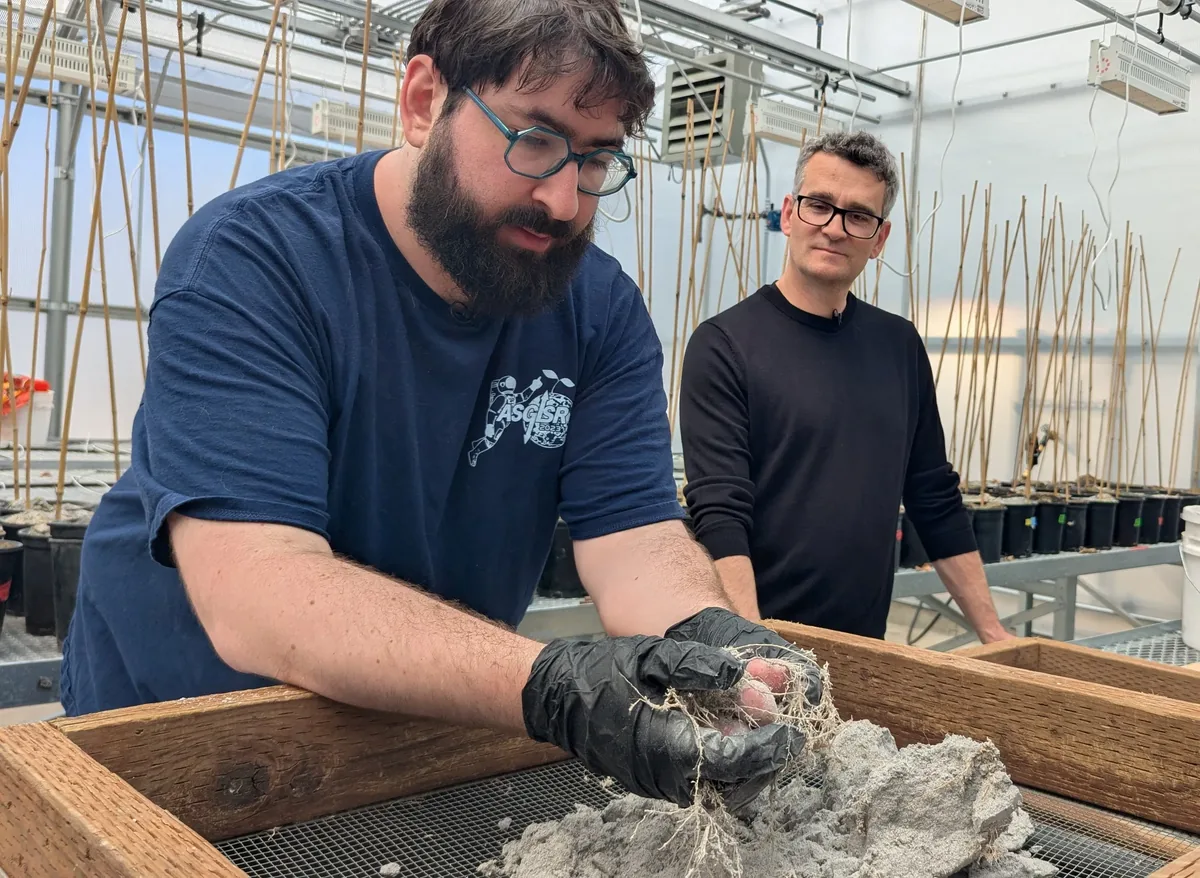
Natural lunar regolith is devoid of the organic matter, moisture, and rich microbial ecosystems that characterize fertile terrestrial soils. To overcome these harsh limitations, researchers enriched simulated lunar soil with specific organic compounds capable of supporting root systems. In these carefully monitored tests, potato plants successfully developed within the enriched regolith mixture, demonstrating steady growth patterns when compared against baseline controls grown in traditional Earth soil environments.
Implications for Long-Term Lunar Habitation
This achievement represents a substantial advancement for bioregenerative life support architectures, which seek to drastically lower the mass and financial costs of resupplying food from Earth. Demonstrating that modified lunar soil can support staple food crops validates essential concepts required for future surface outposts. Moving forward, research teams intend to evaluate additional crop varieties and refine soil enrichment formulas to withstand varied environmental stressors.


Comments
Loading comments...