Simulating Martian Life on Earth
The crew of NASA's Crew Health and Performance Exploration Analog (CHAPEA) Mission 2 has completed their stay inside a specialized habitat at the Johnson Space Center in Houston. The crew lived in complete isolation for 378 days in a habitat simulating Martian conditions to help prepare for future human missions to the Red Planet.
Post-Isolation Steps and Commemorative Moments
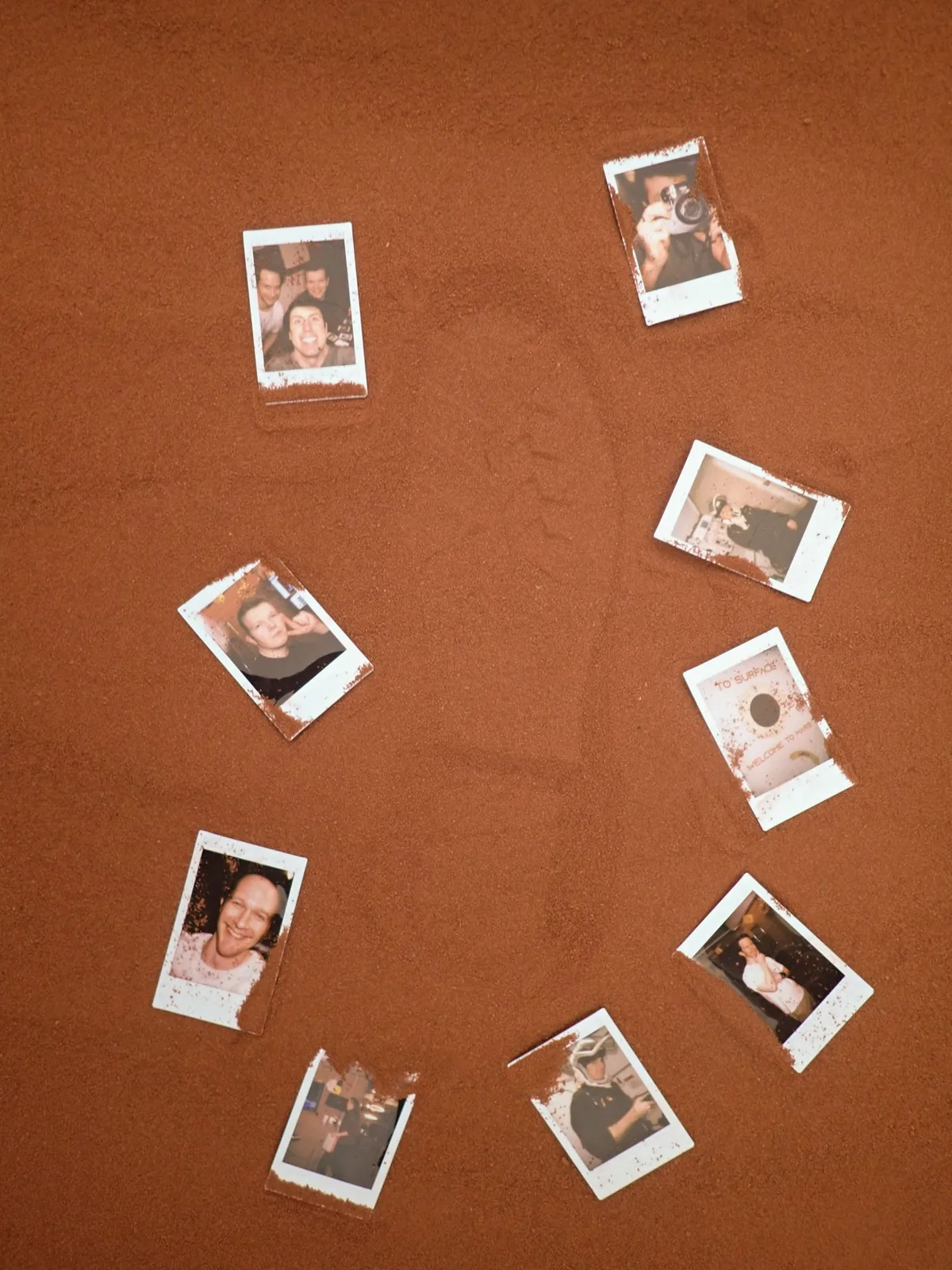
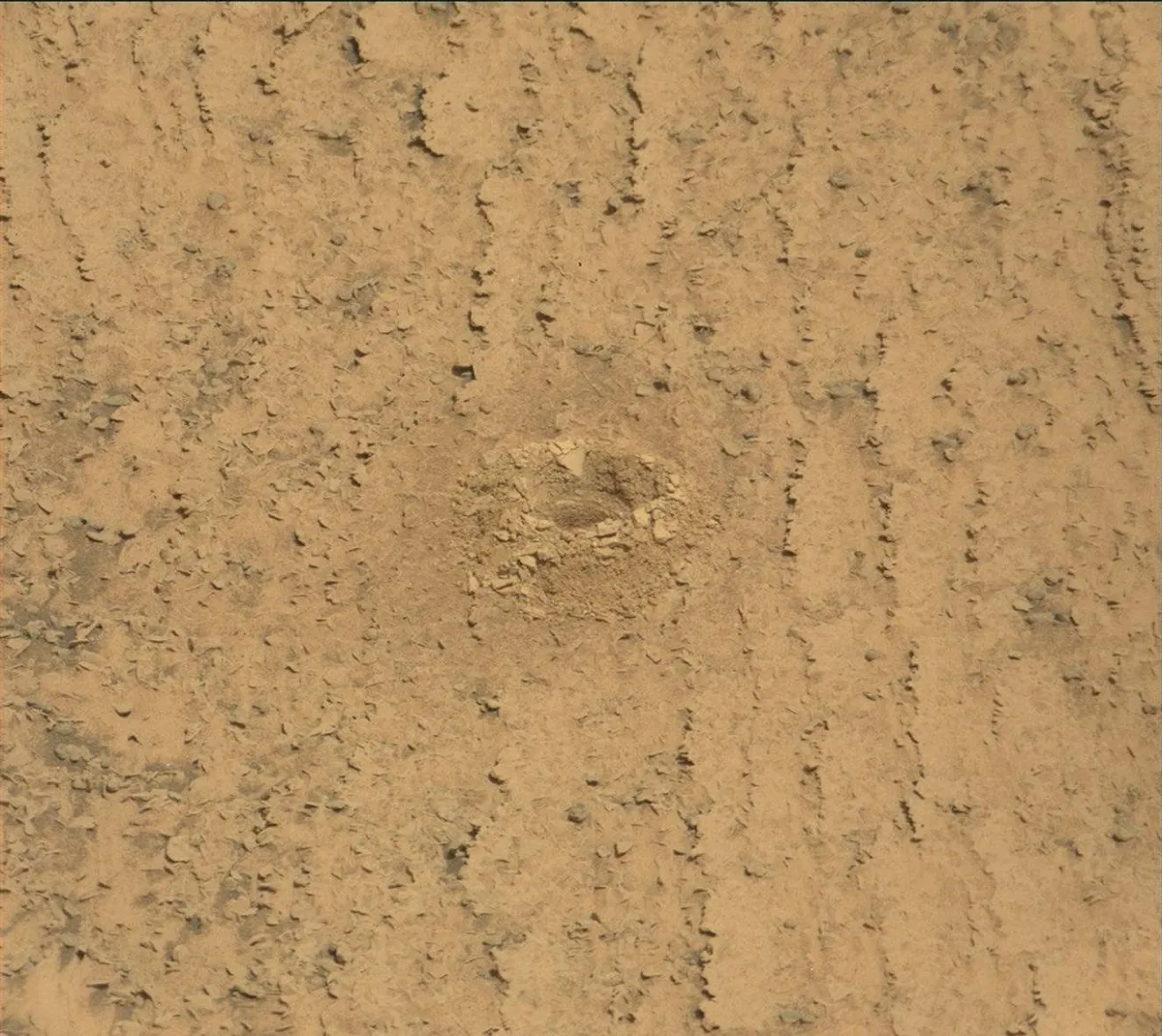
During their mission, on August 31, 2026, the crew arranged photos around a boot print in the simulated Martian sand outside their habitat. Following their lengthy isolation, the crew members officially exited the facility on Saturday, October 31.
Vital Insights for Future Mars Expeditions
CHAPEA simulations aim to measure the physical, psychological, and operational challenges astronauts will face during long-duration space missions. Data collected from this 378-day isolation experiment will be crucial for NASA in safeguarding astronaut health and optimizing mission success on future human journeys to Mars.
Comments
Loading comments...