The Eclipse of the Century Over North Africa
Widely anticipated by astronomers and eclipse chasers as the 'eclipse of the century', the total solar eclipse of August 2, 2027, promises an extraordinary celestial performance. As the Moon passes directly between the Sun and Earth, its central umbral shadow will sweep across a broad geographical corridor spanning parts of Southern Europe and North Africa, with Tunisia positioned squarely along the path.
Orbital projections highlight this event for its remarkably long duration of totality over accessible land masses. This exceptional duration provides both solar physicists and international astronomy enthusiasts with an unprecedented window to witness daytime darkness under typically arid, clear skies.
Path of Totality Across Iconic Tatooine Filming Sets
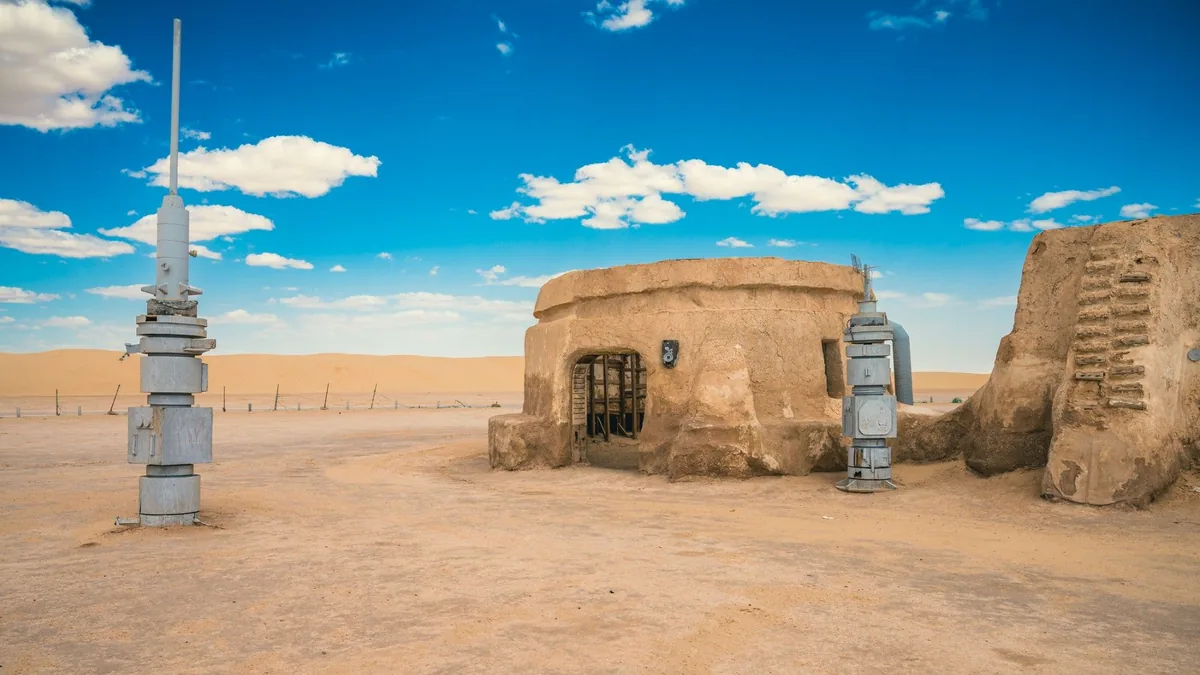
The path of totality produces a poetic intersection between observational astrophysics and global cinematic history. On August 2, 2027, the Moon's shadow will darken the arid landscapes of Tunisia that famously served as the real-world filming location for Tatooine, the desert home world of Luke Skywalker in the Star Wars franchise.
The desert terrain of Tunisia provides optimal atmospheric conditions for solar observations, characterized by low humidity and a very high probability of cloudless skies. The real-world stands of Tatooine, famous on screen for possessing twin suns, will witness our single Sun completely extinguished at midday, revealing the delicate pearly glow of the solar corona.
Significance for Solar Science and Global Engagement
Total solar eclipses remain invaluable natural laboratories for heliophysicists, allowing ground-based instruments and spectrometers to analyze the Sun's faint outer corona without the blinding interference of the solar photosphere. Key data regarding coronal heating mechanisms and magnetic field structures are captured during these critical minutes of darkness.
Beyond scientific research, the 2027 eclipse presents a monumental opportunity for public engagement and cultural tourism. Combining planetary alignment with iconic cinematic heritage will draw tens of thousands of observers to Tunisia's desert expanses for an unforgettable cosmic experience.

Comments
Loading comments...