The Puzzle of Matter-Antimatter Asymmetry
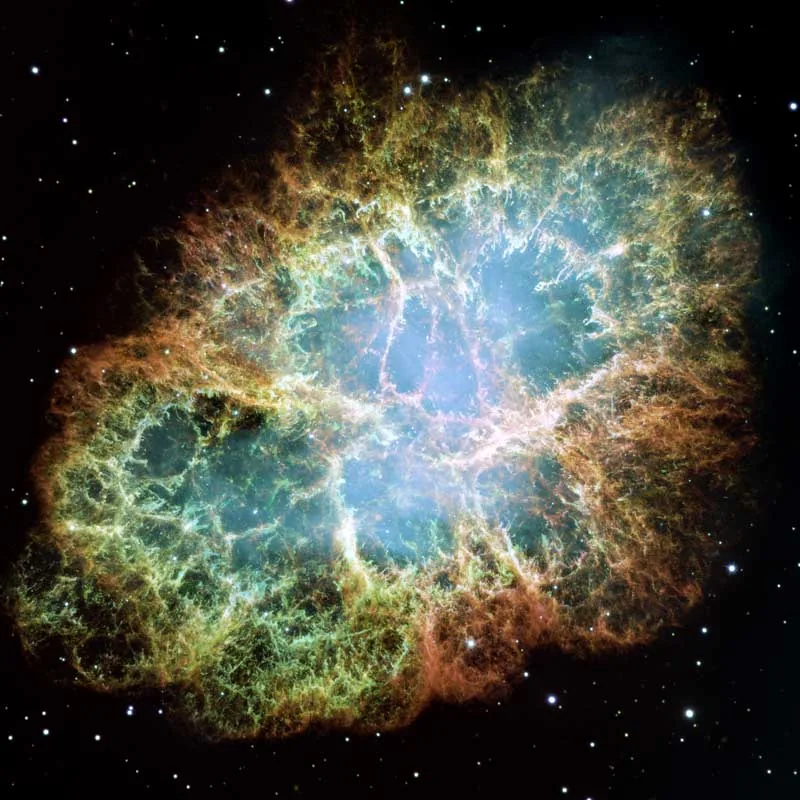
One of the deepest questions in fundamental physics is why the universe exists at all. According to current models, the Big Bang should have produced equal amounts of matter and antimatter, which would have inevitably annihilated each other completely, leaving behind an expanse of pure radiation. The presence of stars, galaxies, and planets proves that an asymmetry emerged early on.
A Forgotten Particle Shifts the Balance
A new theoretical framework proposes that a previously neglected or forgotten particle may have tipped this delicate cosmic scale. Under the extreme thermodynamic conditions of the infant universe, interactions involving this particle could have introduced a slight preference for matter over antimatter during decay processes, ultimately seeding the material cosmos we observe today.
Implications for Cosmological Models
This novel theory offers researchers a compelling path toward solving the baryon asymmetry puzzle. If substantiated by high-energy physics experiments and precision observations of the early universe, this mechanism could reshape our understanding of fundamental particle physics and cosmology beyond the Standard Model.

Comments
Loading comments...