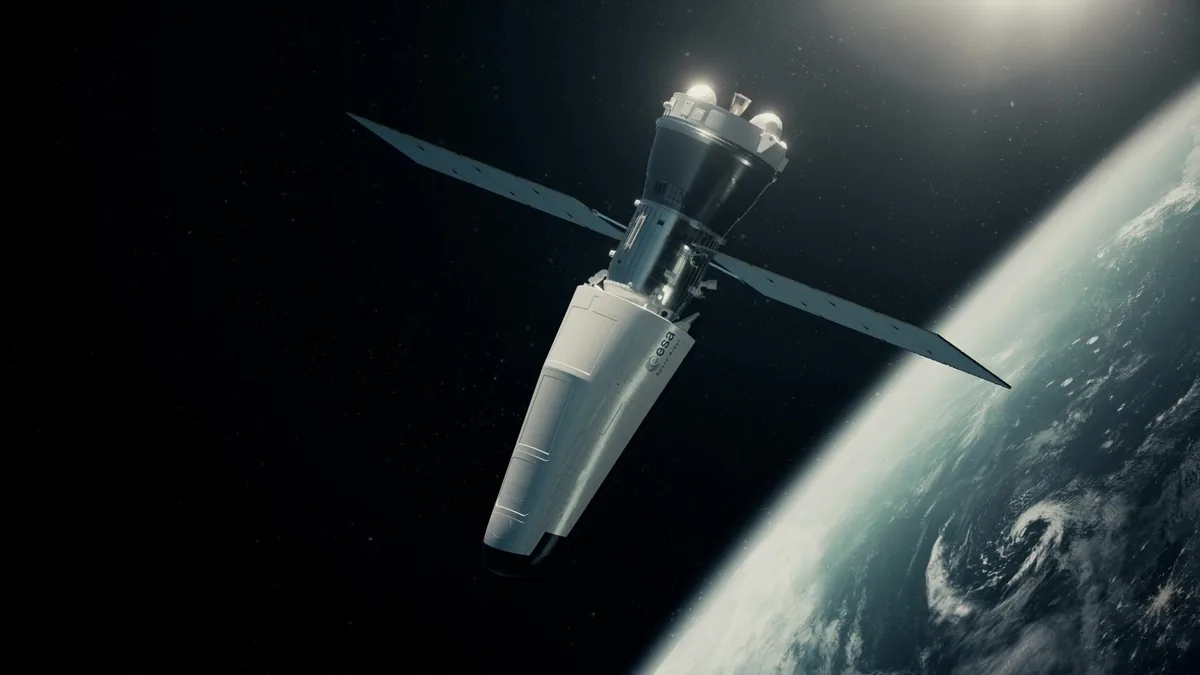
A Critical Setback in Reusable Spacecraft Testing
The European Space Agency (ESA) recently conducted a key evaluation for its Space Rider program, which is designed to provide Europe with independent, routine, and reusable access to space. During a drop test carried out earlier this month, the full-scale prototype of the Space Rider orbiter failed to deploy its parachute system, leading to a crash upon impact. The incident marks an unexpected setback in the agency's efforts to develop and certify its flagship reusable orbital vehicle.
Drop Test Execution and Parachute Failure
The high-altitude drop test was structured to validate the vehicle's aerodynamic handling, descent stability, and the precision deployment of its recovery system prior to ground contact. However, the automated deployment sequence of the parachute did not function as planned. Deprived of the aerodynamic drag necessary to slow its descent, the full-scale vehicle impacted the test site at high velocity, preventing the achievement of the designated soft-landing verification milestones.
Implications for the Program and Next Steps
Despite the damage sustained by the prototype, ESA officials are actively assessing the telemetry and flight records collected during the exercise to pinpoint the mechanical or algorithmic root cause. Agency leadership expressed optimism that the failure will not significantly postpone the broader roadmap toward launching Europe's first reusable spacecraft, emphasizing that finding flight envelope limits is an essential part of development.

Comments
Loading comments...