Unlocking the Hidden Interior of Stars
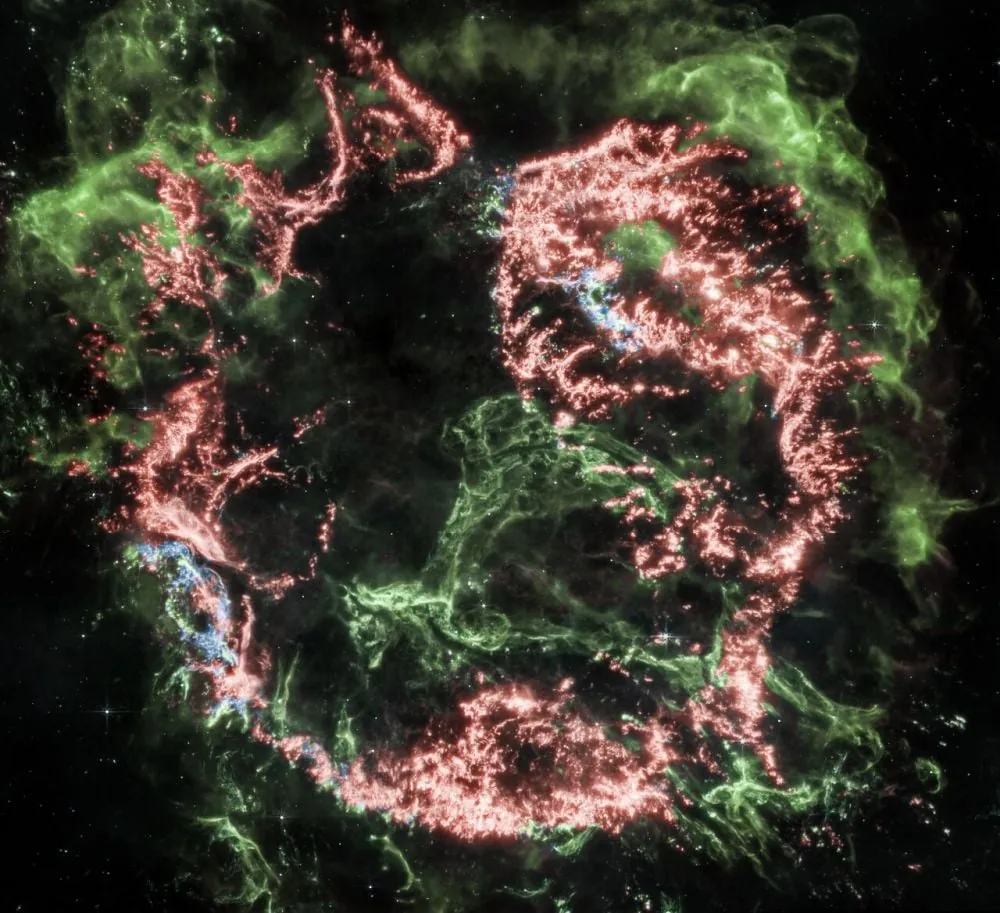
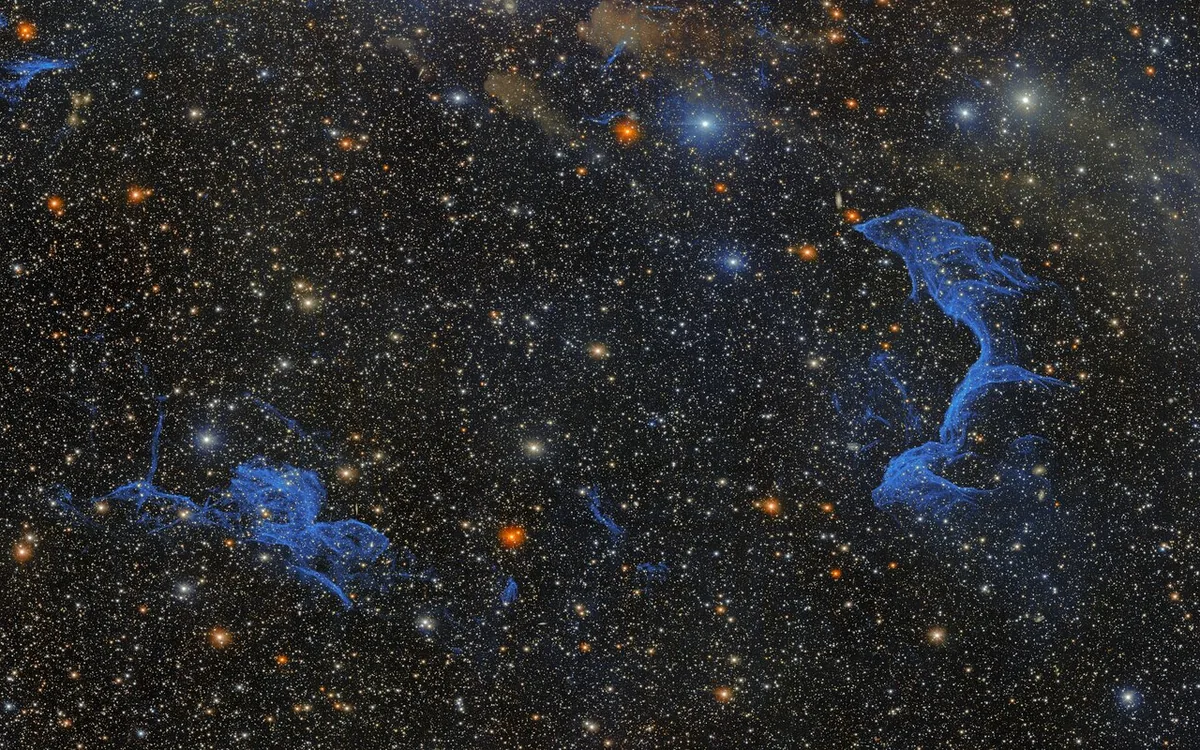
Peering directly into the core or inner layers of an active star is fundamentally impossible. Yet when massive stars conclude their lives in cataclysmic supernova explosions, they blast their hidden interiors outward into the surrounding void. While the resulting explosion produces an extraordinarily turbulent aftermath, it gives astronomers a rare opportunity to study the anatomy of a star.
Stellar Forensics Through JWST's Lenses
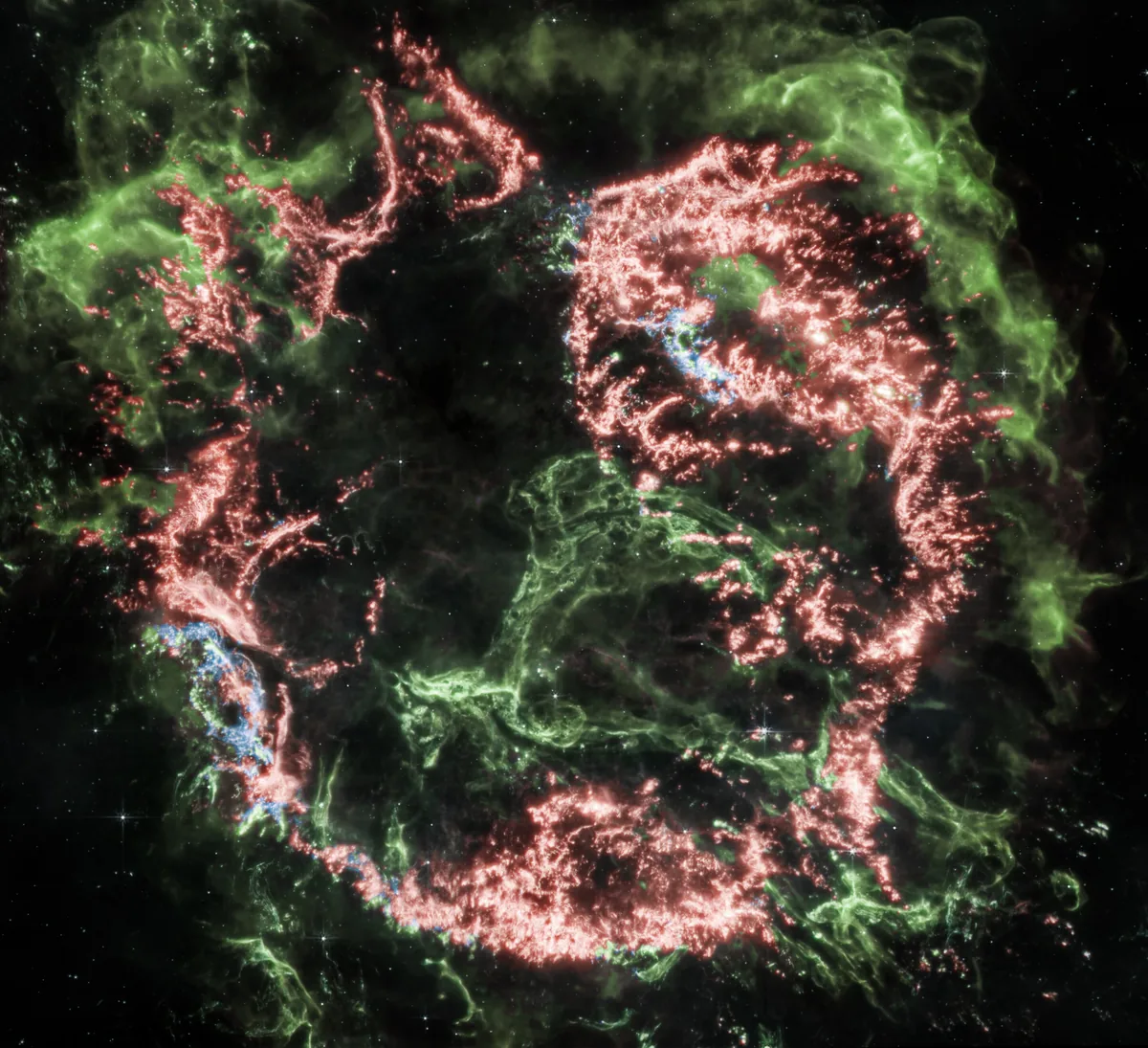
Scientists rely on stellar forensics to dissect and reconstruct these messy stellar debris fields. The James Webb Space Telescope (JWST) provides the ideal platform for this detective work, cutting through dust and cold gas with its infrared capabilities to resolve the delicate structures and filaments within chaotic supernova ejecta.
Tracing the Lifecycle of Cosmic Elements
Deciphering how ejecta spreads across space helps astronomers verify how chemical elements were arranged inside the progenitor star prior to detonation. Data collected by JWST refines theoretical explosion models, shedding critical light on how dying stars seed the interstellar medium with dust, gas, and heavy elements.
Comments
Loading comments...