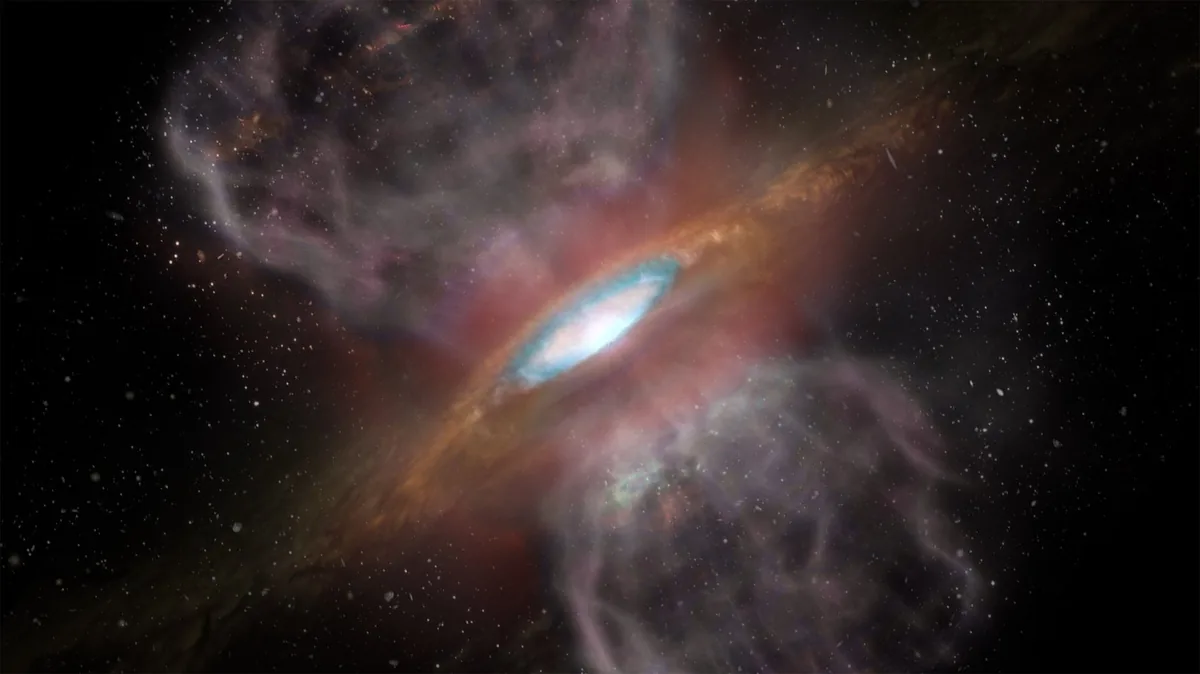
A New Discovery at the Dawn of Solar Systems
Astronomers have made an exciting observation that enhances our understanding of how planetary systems emerge in the universe. During investigations of the gas and dust envelope surrounding a young, massive star, researchers detected titanium oxide molecules in gaseous form for the first time. This detection offers a rare look into the earliest stages of solar system formation, long before planets and asteroids take shape.
Spectral Measurements and Vaporized Rocks
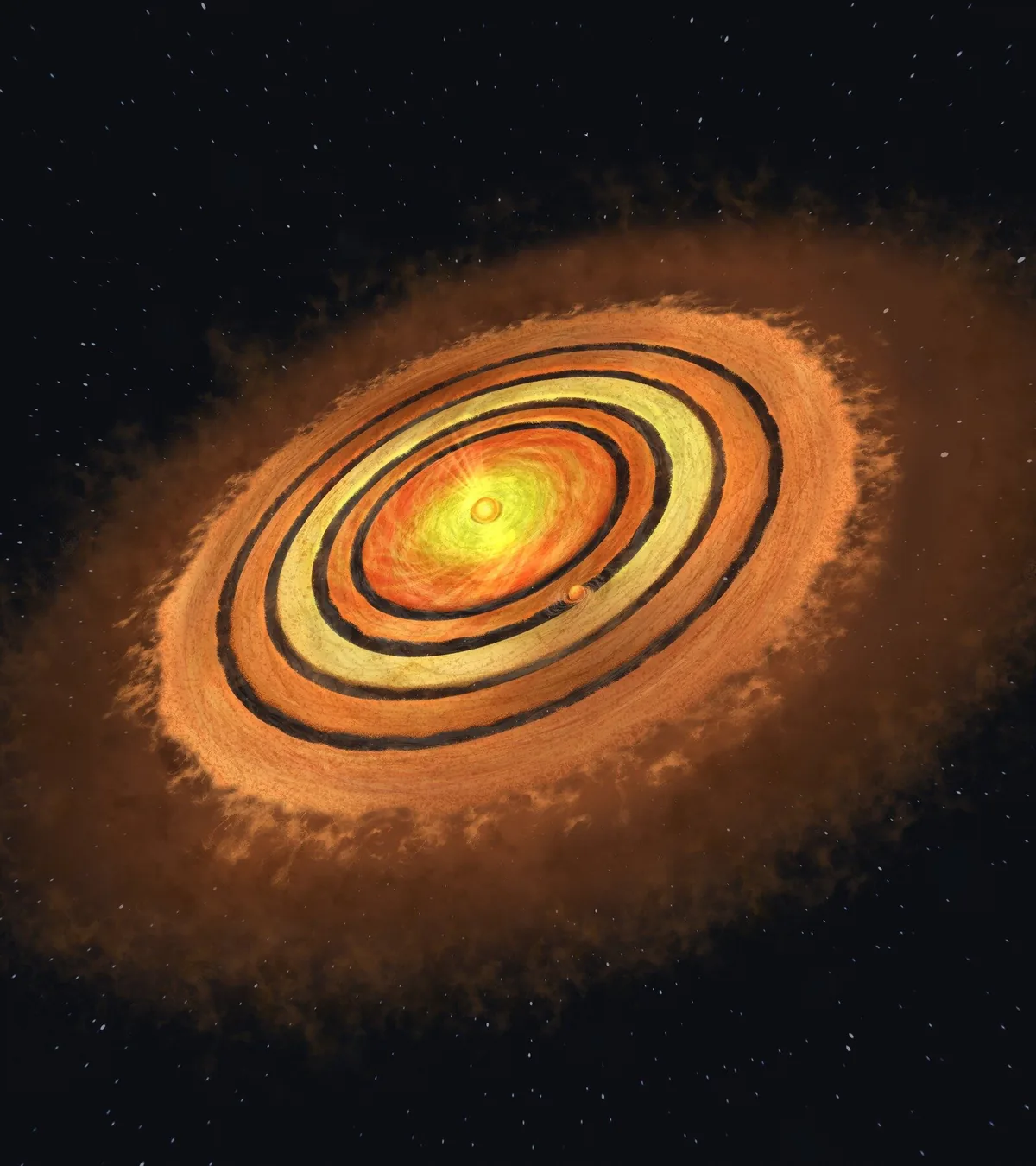
Spectroscopic analyses conducted in the extremely hot and dense environment around the young star revealed that compounds typically found in solid rocks have vaporized. Identifying high-melting-point compounds such as titanium oxide in gas form provides direct measurement data regarding the temperature and chemical distribution of the surrounding protostellar disk.
Impact on Planet Formation Models
This critical finding allows scientists to refine existing models of how planetary building blocks begin to coalesce. The presence of gaseous rock components plays a vital role in explaining how the precursors to planets evolve over time. Researchers plan to utilize next-generation telescopes in future observation cycles to further trace these volatile compounds and map the early stages of planetary birth.


Comments
Loading comments...