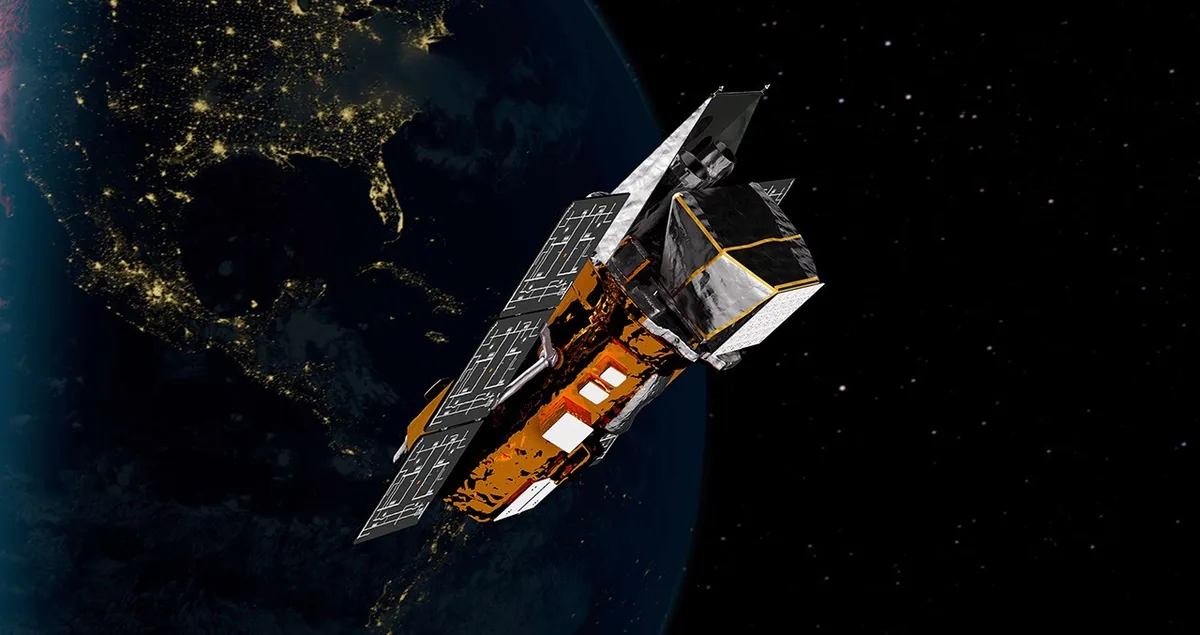
The Conclusion of a Historic Mission
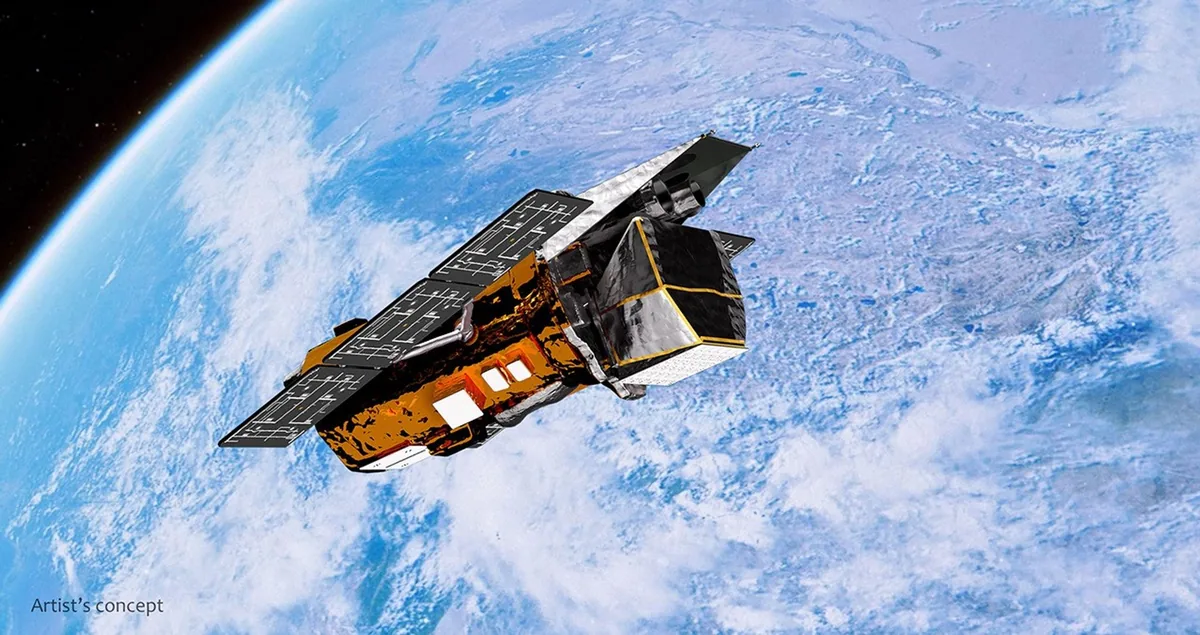
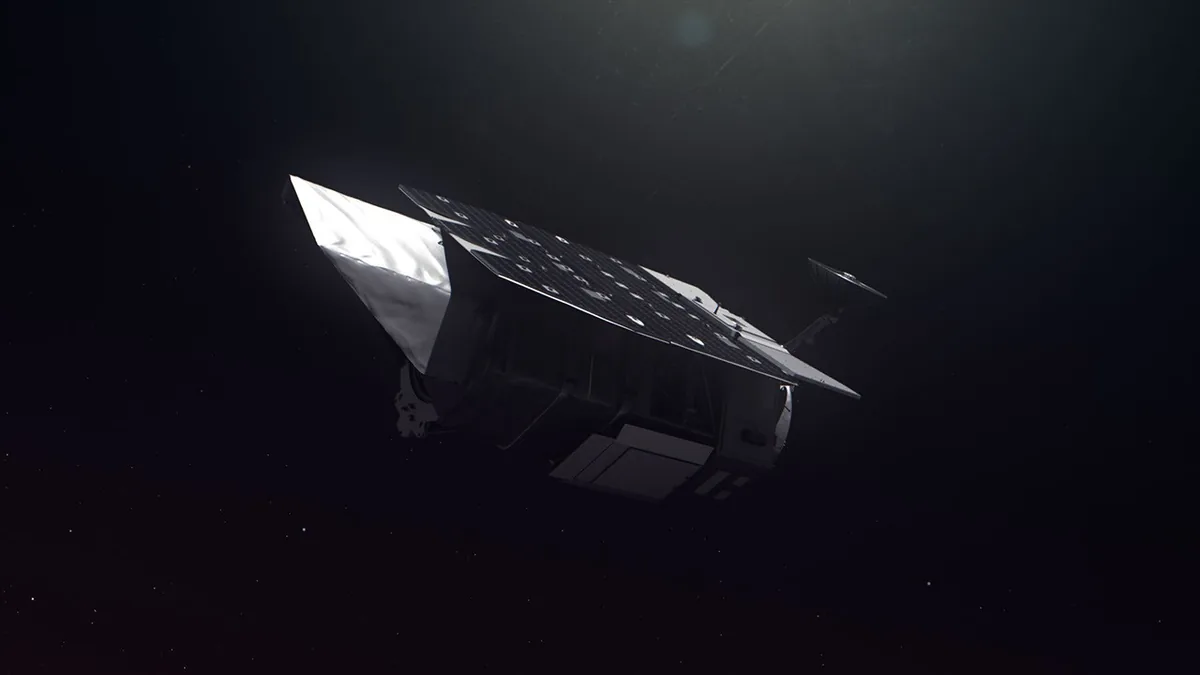
NASA’s Swift observatory has officially ceased operational activities, bringing to an end one of the most successful high-energy astrophysics missions in modern history. Designed to intercept the universe's most catastrophic cosmic explosions, the spacecraft concluded operations in advance of its atmospheric re-entry. Its deactivation closes a celebrated chapter in orbital multi-wavelength astronomy.
Throughout its service life, Swift set operational benchmarks by tracking transient phenomena across the cosmos. Mission officials emphasized that while operations have ended, the spacecraft leaves behind an enduring legacy of technical innovation and a treasure trove of scientific observations.
Autonomous Agility and Multi-Wavelength Detection
Swift achieved scientific renown through its unique ability to autonomously detect gamma-ray bursts (GRBs) and rapidly repoint its primary instruments within seconds. Operating across gamma-ray, X-ray, and ultraviolet/optical bands, the spacecraft captured the fleeting afterglows of distant cosmic collisions before they faded into obscurity.
The extensive archive gathered by Swift chronicles the final moments of collapsing massive stars, the birth of black holes, and neutron star mergers. Furthermore, Swift’s automated alerting system routinely triggered worldwide networks of terrestrial observatories to focus on newly discovered transient sources.
Enduring Impact on Modern Astrophysics
Although Swift's orbital mission has drawn to a close ahead of re-entry, its comprehensive database will continue to drive astrophysical discoveries for generations. Researchers will rely on its high-cadence observations to refine cosmological models and investigate relativistic blast waves in the distant universe.
The controlled conclusion of the mission also respects orbital management guidelines as the spacecraft readies for atmospheric entry. The operational concepts demonstrated by Swift will serve as foundational architecture for next-generation rapid-response observatories scanning the dynamic high-energy sky.

Comments
Loading comments...