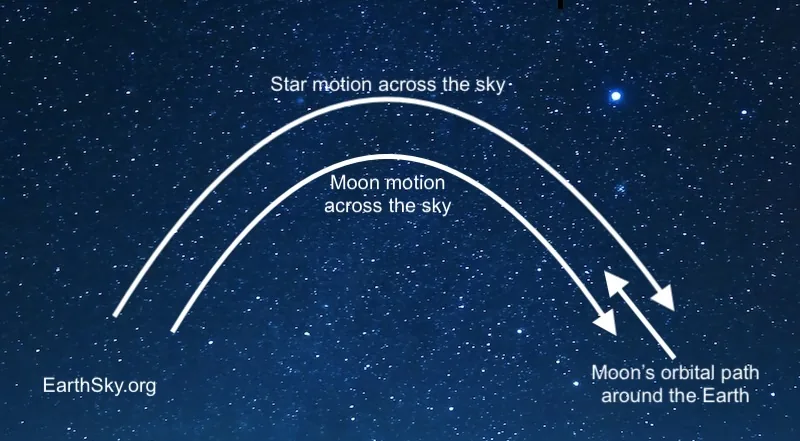
The Universality of Lunar Phases
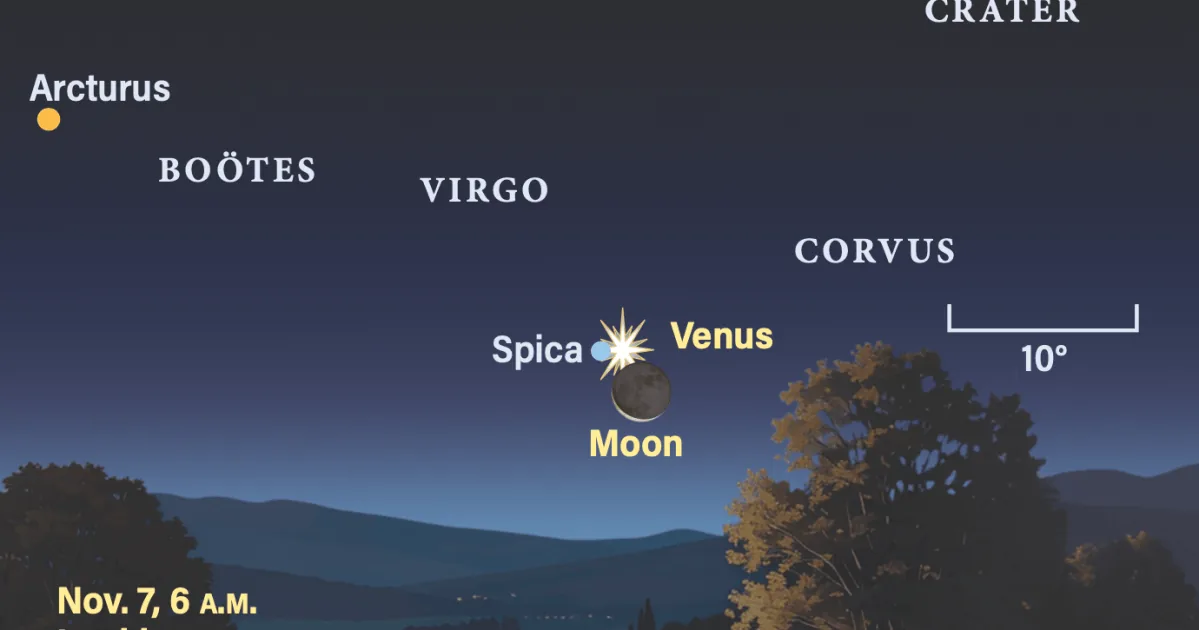
Regardless of where an observer stands on Earth, the illuminated fraction of the Moon represents the exact same phase for everyone. Because lunar phases are determined by the relative geometric positions of the Sun, Earth, and Moon, events like the full moon or quarter moon occur universally across the entire planet simultaneously.
Orientation and Hemispheric Perspective
While the phase remains identical worldwide, the Moon's orientation in the local sky shifts dramatically with latitude. Observers in the Northern Hemisphere see the Moon in a familiar orientation, whereas those in the Southern Hemisphere see it upside down or tilted. This visual discrepancy is purely a consequence of human perspective on the curved surface of a spherical planet.
Geometric Perception in Astronomy
This striking difference in how the Moon is oriented provides an intuitive demonstration of Earth's spherical geometry and observational mechanics. While the actual physics of sunlight reflecting off the lunar terrain does not alter, local horizons dictate visual perception, reminding observers of our dynamic vantage point in space.
Comments
Loading comments...