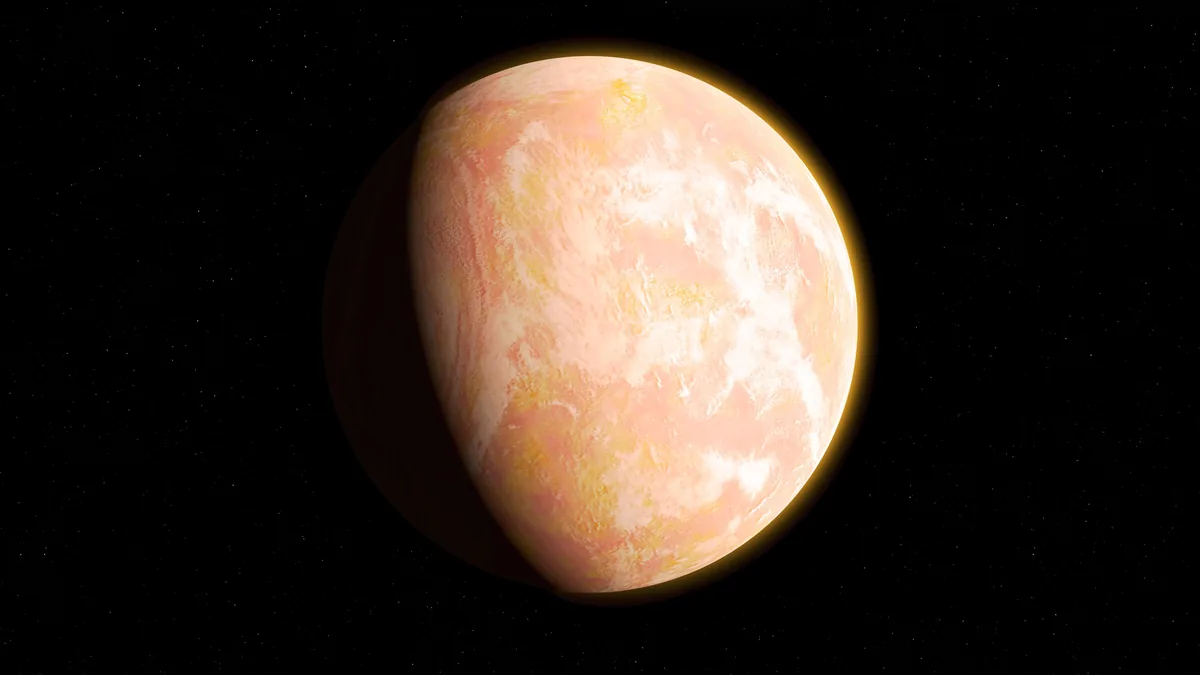
Searching for Biosignatures in the TRAPPIST-1 System
The search for signs of life on planets orbiting TRAPPIST-1 faces new complications due to uncertainties surrounding the star's high-energy emissions. As highlighted by Astrobites, the behavior of the host star directly governs the chemical makeup of its planets' atmospheres.
Uncertainties in measuring the high-energy radiation from TRAPPIST-1 make assessing the habitability of its rocky exoplanets significantly more challenging.
Atmospheric Photochemistry and Radiation Effects
Photochemical modeling shows that variations in the assumed high-energy spectrum of the star can produce vastly different atmospheric chemistry on the orbiting worlds. These radiation discrepancies affect theoretical models of chemical reactions in the planetary atmospheres.
Consequently, identifying clear atmospheric biosignatures becomes difficult, as stellar activity can mimic or erase potential indicators of life.
Implications for Future Exoplanet Research
The study underlines the critical necessity of accurately characterizing host stars before making conclusions about planetary habitability and biosignatures.
Astronomers plan to conduct more precise observations of TRAPPIST-1 and similar low-mass stars to better constrain high-energy emission levels, refining search strategies for extraterrestrial life.
Comments
Loading comments...