The Delicate Balance of Dark Adaptation
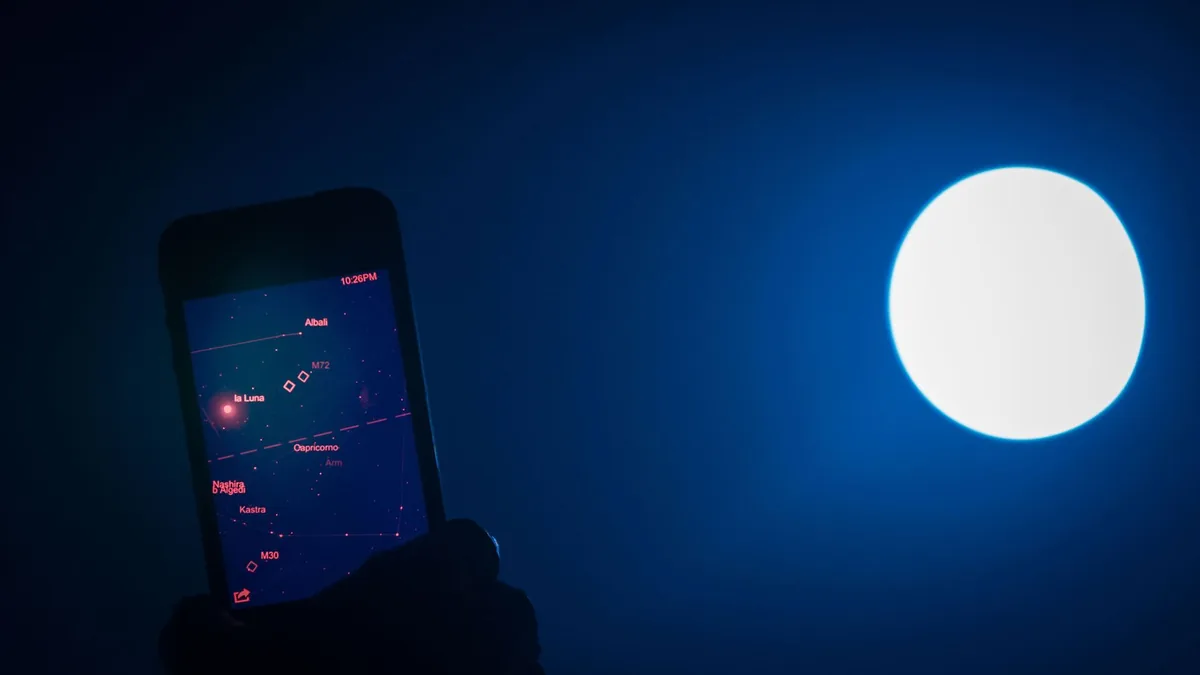
Mobile astronomy apps have transformed amateur skywatching by offering instant celestial identification and interactive star charts. However, the bright illumination emitted by modern smartphone screens presents a major challenge to dark adaptation. The physiological process required for human eyes to detect faint deep-sky targets can be completely undone by even a momentary exposure to harsh screen glare.
Biological Advantages of the Red-Light Spectrum
Night vision relies on rod cells in the human retina, which utilize a light-sensitive photopigment called rhodopsin to process low-light conditions. Exposure to broad-spectrum white or blue light breaks down rhodopsin almost instantly, resetting the eye's adaptation timeline. Conversely, long-wavelength red light preserves rhodopsin, allowing observers to consult digital star atlases without destroying their night-adjusted vision.
Best Practices for Effective Nighttime Observation
Achieving complete dark adaptation requires roughly 20 to 30 minutes of uninterrupted darkness, which is vital for viewing faint nebulae, distant star clusters, and meteors. Observers are advised to use dedicated red-mode settings in astronomy apps, reduce overall display brightness to the minimum usable level, and switch to red LED flashlights in the field. These simple techniques safeguard optical sensitivity throughout the observing session.


Comments
Loading comments...