Cometary Behavior in the Main Belt
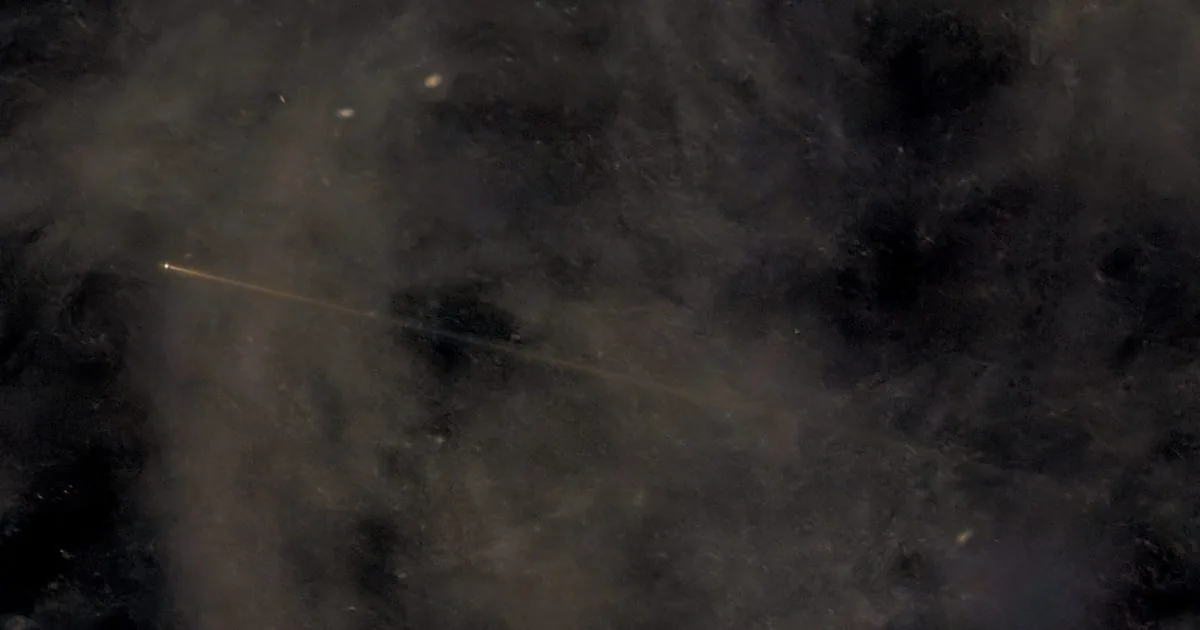
Orbiting in the main belt between Mars and Jupiter, Asteroid 6993 (1995 BJ4) has exhibited surprising new activity. Astronomers, including Dan Bartlett from June Lake, California, observed a faint tail around this 11-kilometer (7-mile) wide celestial body. Spotted in August 2026, this feature has positioned the object as a prime candidate for the largest known main-belt comet.
Observation Details and Fading Tail
Measuring roughly 11 kilometers across, Asteroid 6993 (1995 BJ4) was previously regarded as a standard main-belt object. However, detailed imaging revealed a subtle tail structure extending from the body. Follow-up observations conducted throughout 2026 demonstrated that this tail has been gradually fading over time.
Scientific Significance and Future Outlook
The fading tail on Asteroid 6993 (1995 BJ4) provides valuable hints about volatile materials and active processes within main-belt objects. The gradual decrease in the tail's visibility suggests a temporary release of material or surface interaction. This event offers astronomers a unique opportunity to study the boundary between asteroids and comets in our solar system.

Comments
Loading comments...