The Mystery of Lopsided Galaxies and Study Background
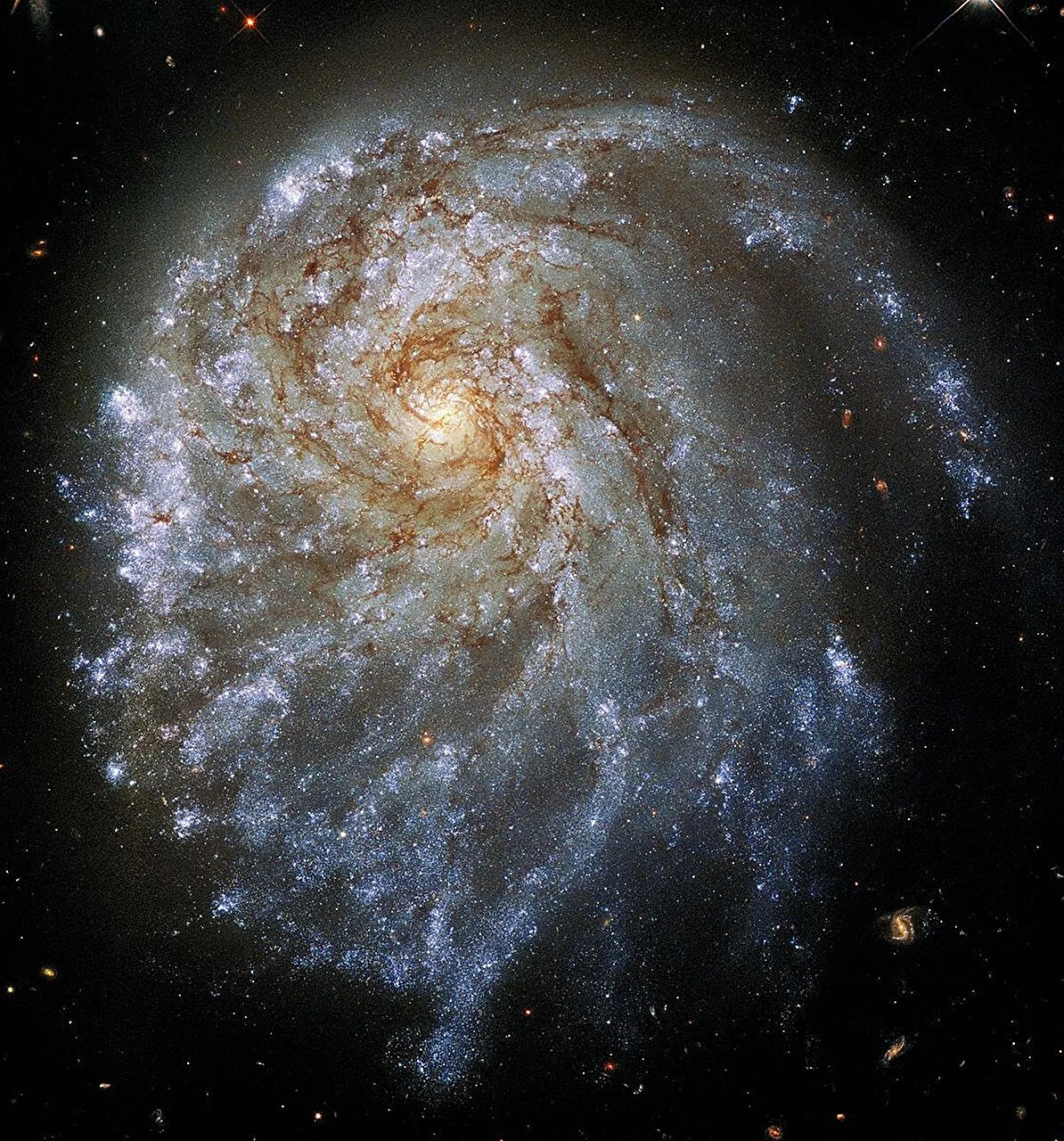
Not all spiral galaxies in the cosmos exhibit perfect symmetry. Observations reveal that certain spiral galaxies appear significantly heavier, denser, or more elongated on one side compared to the other. Known among astronomers as galactic 'lopsidedness,' the fundamental causes behind this structural imbalance remain incompletely understood. In a new study posted to the arXiv preprint server on November 10, astronomers aimed to shed light on the physical mechanisms driving these off-center features.
Constructing the Comprehensive Catalog and Data Analysis
To systematically analyze why galaxies become lopsided, the research team compiled galactic measurements from 37 separate prior studies into a unified, massive catalog. This extensive data synthesis provided a robust foundation for evaluating the distribution of gas and stars across galactic disks. By sifting through this combined dataset, the researchers were able to test for the prevalence of lopsidedness and evaluate competing hypotheses regarding its origin.
Implications for Galactic Evolution and Future Research
The catalog analysis reinforces the idea that lopsidedness can stem from multiple astrophysical processes. Close encounters or gravitational tugs from nearby galaxies, uneven infall of fresh gas from the intergalactic medium, or internal disk instabilities dragging stars and gas away from the galactic center can all induce this asymmetry. This newly established catalog serves as an invaluable benchmark for refining galactic evolution models and guiding future observational campaigns with advanced telescopes.
Comments
Loading comments...