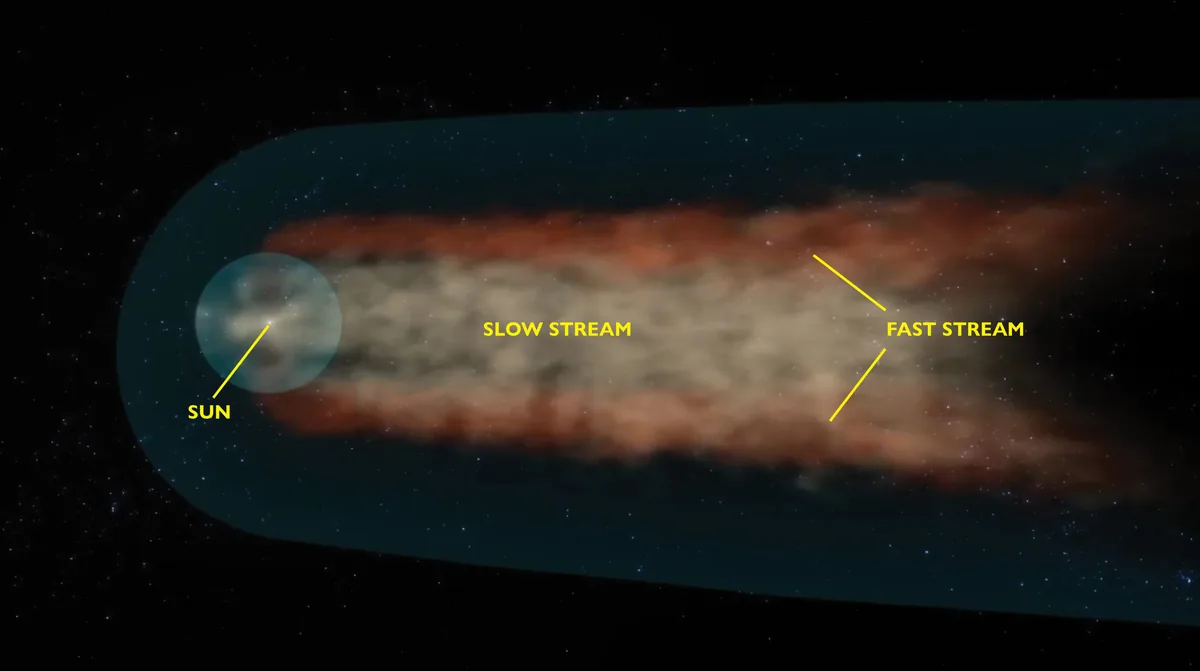
Tracking the Solar System's Boundary Across 14 Years
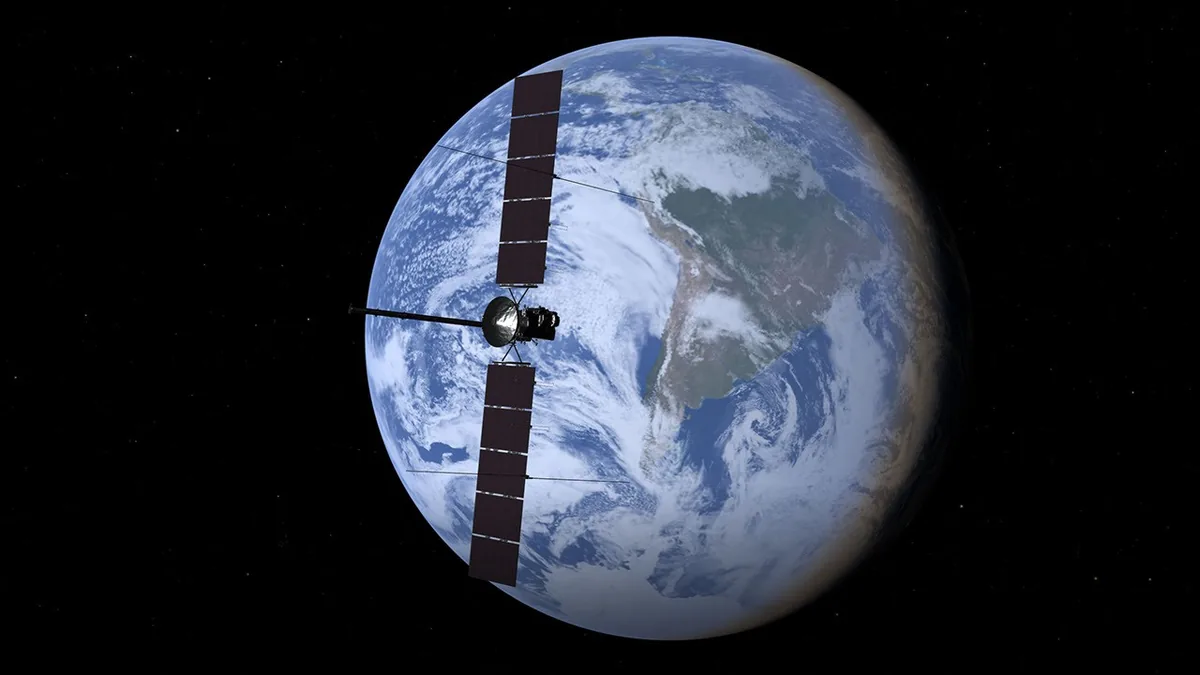
A study led by the Southwest Research Institute has delivered an unprecedented look into the heliotail, the trailing region of our solar system. Using 14 years of observations gathered by NASA's Interstellar Boundary Explorer (IBEX) spacecraft, researchers mapped the distinct motion paths followed by the lobes of the heliotail for the first time.
Mapping Lobes in the Outer Heliosphere
Tracking the motion of these lobes across more than a decade confirms that the heliosphere's trailing edges are dynamic rather than fixed. The extensive dataset recorded by IBEX allows scientists to trace how these expansive structures migrate, offering fresh clarity on how our solar bubble behaves as it travels through interstellar space.
Solar Activity as the Master Sculptor
Identifying the precise tracks of the heliotail lobes provides critical insight into the direct mechanisms through which solar activity shapes the heliotail. As solar output changes throughout its cycles, it influences the shifting geometry of the heliosphere's wake, giving astrophysicists a sharper framework to model our cosmic neighborhood.
Comments
Loading comments...