
The Swift Observatory's Final Phase and Atmospheric Return
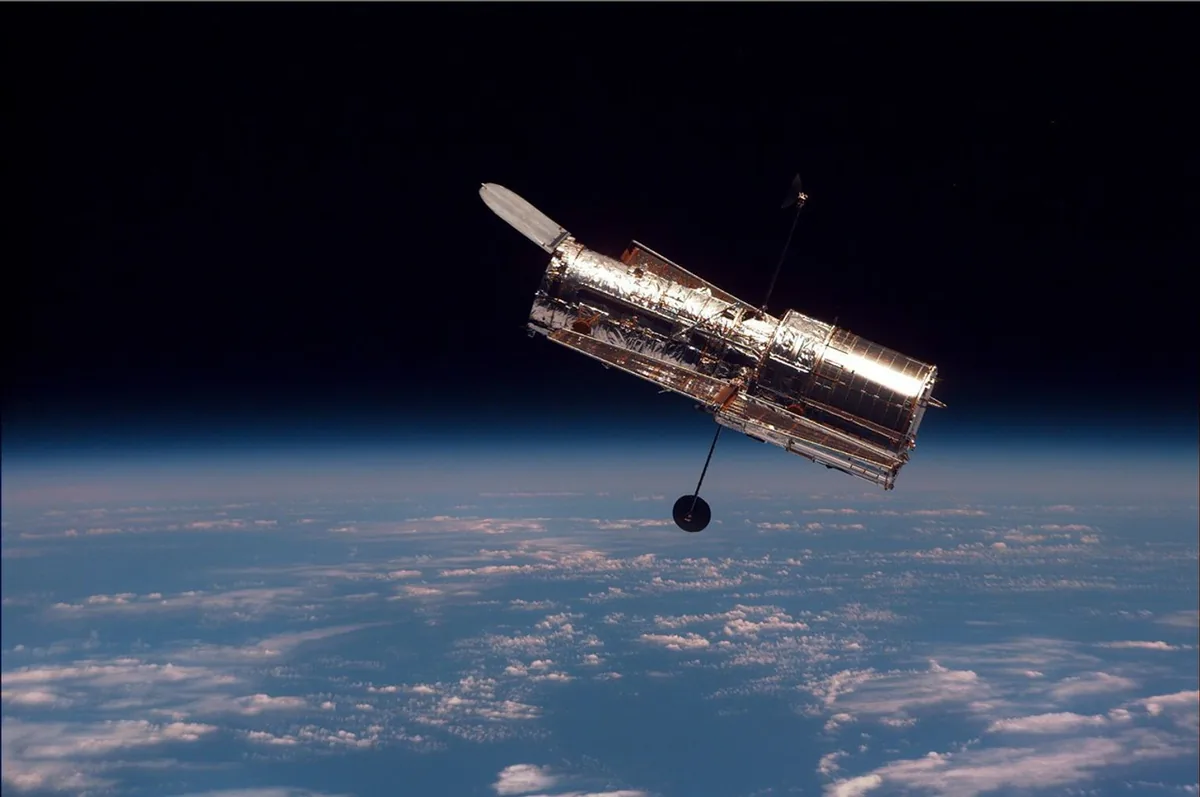
Having dedicated years to monitoring the universe's most energetic phenomena, NASA's Swift space telescope is now approaching the end of its orbital life as it prepares to re-enter Earth's atmosphere. Gradually losing orbital altitude, the observatory is slated to plunge back to our planet. Having contributed immensely to our understanding of gamma-ray bursts and transient cosmic flashes, the mission is reaching its conclusion under the relentless pull of atmospheric drag.
Tracking specialists and orbital dynamics teams are actively monitoring the spacecraft's descent. However, pinpointing the precise moment and geographic coordinates for an uncontrolled re-entry remains an inherently complex task due to the volatile nature of upper atmospheric conditions.
Uncertainties Surrounding Impact Location and Timing
Current trajectory analyses leave questions unanswered regarding the exact timing and physical footprint of the telescope's final plunge. Fluctuations in upper atmospheric density and variations driven by solar activity continuously alter the drag forces acting upon the spacecraft. These changing dynamics can shift the projected re-entry window by hours, complicating definitive landing predictions.
Researchers and orbital tracking facilities are keeping their eyes peeled, scrutinizing the observatory's final orbits to narrow down potential impact corridors. While the vast majority of Swift's structure is anticipated to disintegrate and burn up in the scorching heat of atmospheric re-entry, the survival of denser, heat-resistant components remains a subject of ongoing analysis.
Orbital Tracking and Future Space Safety Protocols
The uncontrolled re-entry of Swift emphasizes the ongoing challenges surrounding the end-of-life disposal of legacy scientific instruments in low Earth orbit. Monitoring Swift's trajectory not only aids in risk mitigation for surface safety but also offers an operational benchmark for assessing the accuracy of global tracking networks.
Scientists and orbital analysts will continue to track the vehicle's descent parameters until its final demise. The operational findings gleaned from this re-entry will inform future debris mitigation strategies and help space agencies refine decommission protocols for upcoming orbital missions.

Comments
Loading comments...