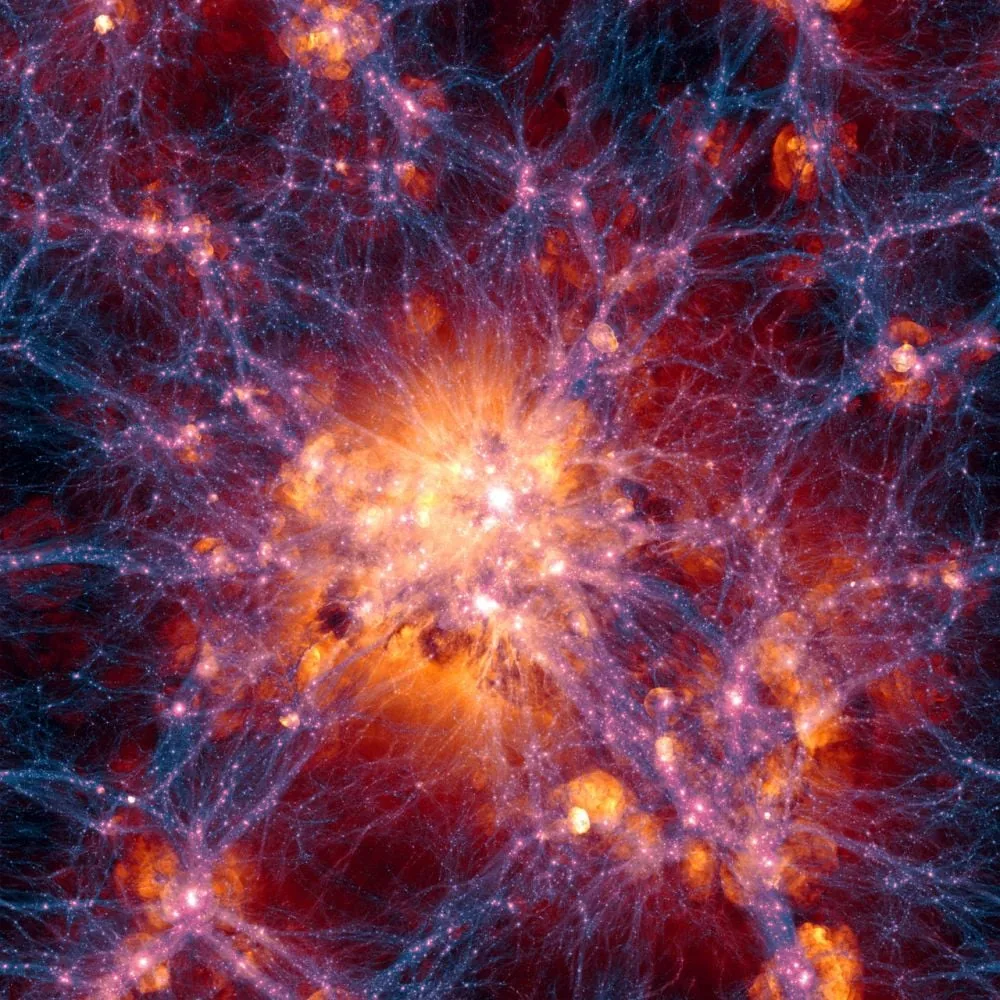
The Cosmic Noon and the Peak Era of Star Formation
The epoch known as the "Cosmic Noon" marked the beginning of the Universe's Stelliferous Era, during which star formation was remarkably prolific. Galaxies throughout the cosmos were producing stars at astonishing rates. However, since that vibrant era, star birth across the Universe has slowed to a crawl, even though actively forming stars remain visible within regions of the Milky Way.
Tracking Hydrogen Gas in Dense Galactic Environments
What happened to the essential hydrogen gas required to build stars has remained a key question for astrophysicists. To uncover clues, new research focused on a particularly dense cluster of galaxies. Detailed measurements of these crowded environments revealed physical mechanisms directly responsible for throttling star production.
Implications for Galaxy Evolution and Astrophysical Models
The study's findings demonstrate how the dense environments within galaxy clusters foster conditions that impede star formation. By identifying how hydrogen gas is affected within these clusters, astronomers gain a clearer understanding of why the Universe's overall star-making engine has slowed down over cosmic time.
Comments
Loading comments...