Historic Discovery of an Exoplanet Atmosphere
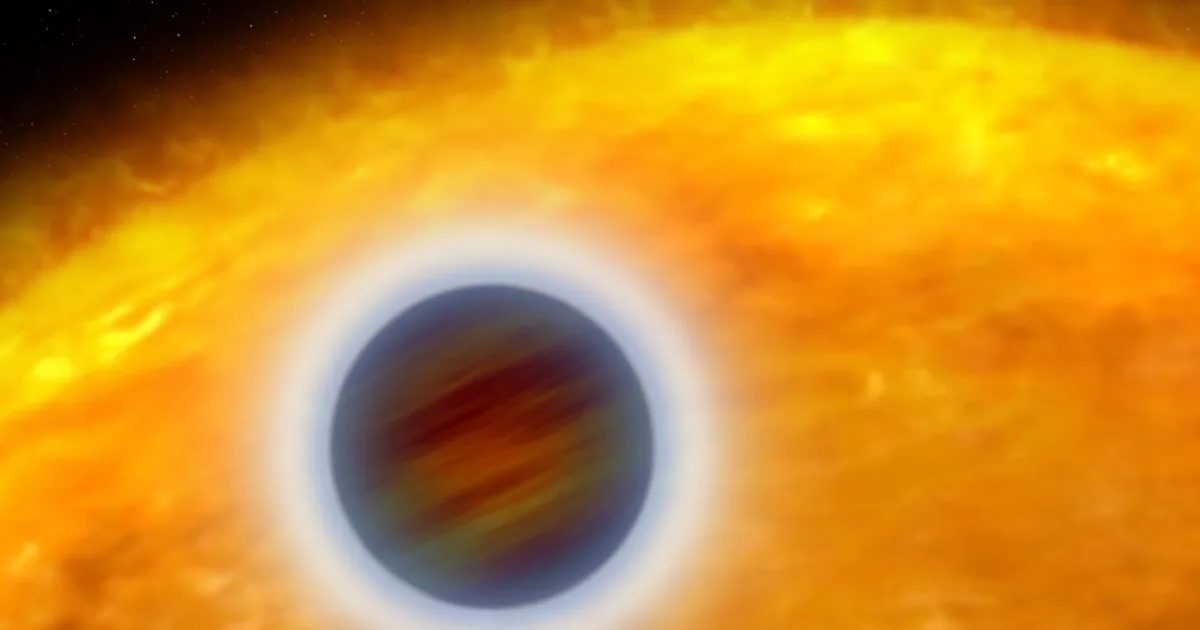
On November 27, 2001, NASA announced a major milestone in astronomy: the first detection of an atmosphere surrounding an exoplanet. Researchers focused their study on HD 209458b, an exoplanet orbiting a Sun-like star located 150 light-years away in the constellation Pegasus.
Hubble Spectroscopy and Sodium Detection
Astronomers utilized the spectrometer aboard the Hubble Space Telescope during the planet's transit across its 7th-magnitude host star. The spectroscopic measurements successfully identified the chemical signature of sodium within the alien planet's atmosphere.
Atmospheric Models and Scientific Impact
Although sodium was clearly detected, the measured quantity was surprisingly lower than theoretical atmospheric models had predicted. This landmark achievement opened a new era in characterizing the composition and structure of atmospheres beyond our solar system.
Comments
Loading comments...