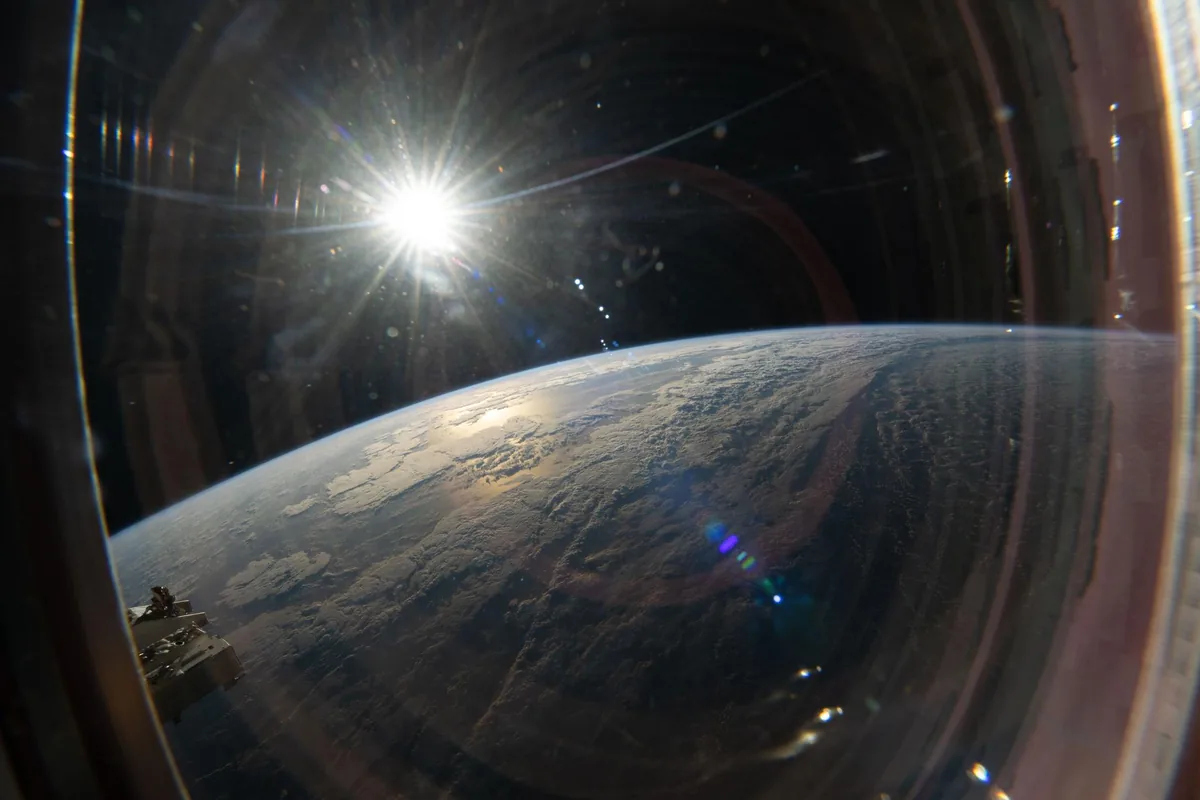
A Heritage of Orbital Trajectory Expertise
NASA's Flight Dynamics Facility remains a foundational cornerstone of American crewed and uncrewed space exploration. The facility's rich lineage stretches back to the earliest milestones of spaceflight, encompassing the Mercury, Gemini, and historic Apollo programs. From guiding the first astronauts into Earth orbit to charting descent trajectories toward the lunar surface, the navigation and orbital determination calculations generated here have played a decisive role in aerospace history. This decades-long legacy continues to underpin the trajectory design of advanced modern spacecraft navigating complex flight paths.
Precision Tracking for Orion and the Roman Space Telescope
Today, the facility actively provides orbital determination and tracking data for flagship missions, including the Orion crew capsule and the Nancy Grace Roman Space Telescope. The Flight Dynamics Facility delivers comprehensive navigation support across every operational phase, from launch and cruise maneuvers to final orbit insertions. Ensuring that Orion travels along its trajectory safely during deep space journeys and positioning the Roman Space Telescope into its orbital station requires continuous telemetry processing and flight path assessments provided by the facility's dedicated engineering teams.
The Vital Backbone for Future Deep Space Exploration
Expertise in flight dynamics not only guarantees the ongoing stability and execution of current missions but also provides the technological framework required for future deep space exploration. Keeping sophisticated observatories on steady observation points and executing high-precision burns for crewed capsules depend directly on the facility's mathematical modeling and tracking networks. Bridging the gap between early Apollo flights and next-generation space telescopes, the center demonstrates the critical importance of orbital navigation in uncovering the cosmos.
Comments
Loading comments...