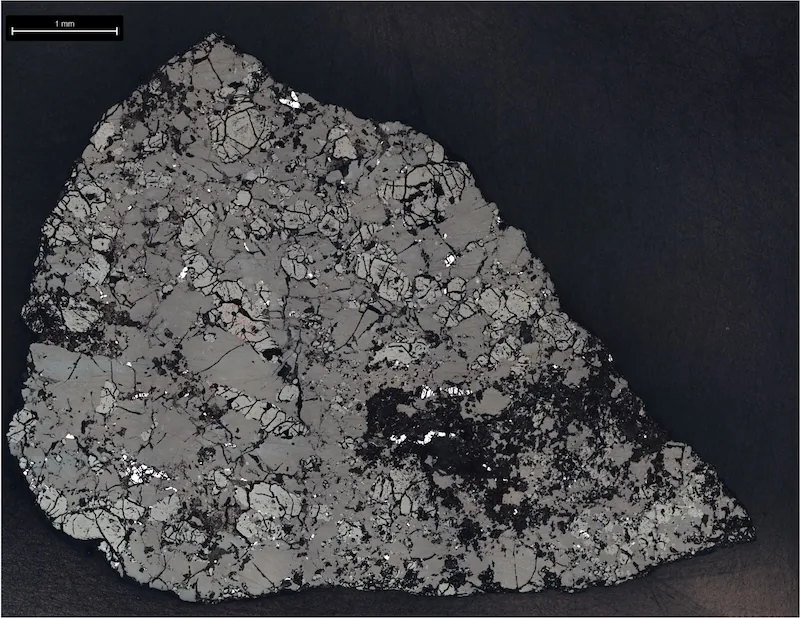
A Window into the Red Planet's Past
Rare meteorites originating from Mars serve as unique laboratories for understanding the mysterious history of our neighboring planet. Recent analyses of the 4.1-billion-year-old Martian meteorite known as Teghaza 001 shed new light on the planet's ancient habitable environment. Scientists refer to this extraordinary sample as a potential 'Rosetta Stone' for deciphering Mars's early history.
Insights from the Teghaza 001 Meteorite
The meteorite's age of 4.1 billion years indicates it witnessed a period when Mars was still young and potentially capable of supporting liquid water on its surface. Detailed examinations reveal that the mineral compositions and trace elements within the rock provide direct clues about the planet's ancient atmospheric and environmental conditions.
Scientific Significance and Future Studies
The evidence from Teghaza 001 strengthens the hypothesis that Mars once possessed conditions favorable for supporting microbial life. Studying such ancient samples establishes a vital baseline for analyzing future pristine materials brought back directly from the Martian surface.
Comments
Loading comments...