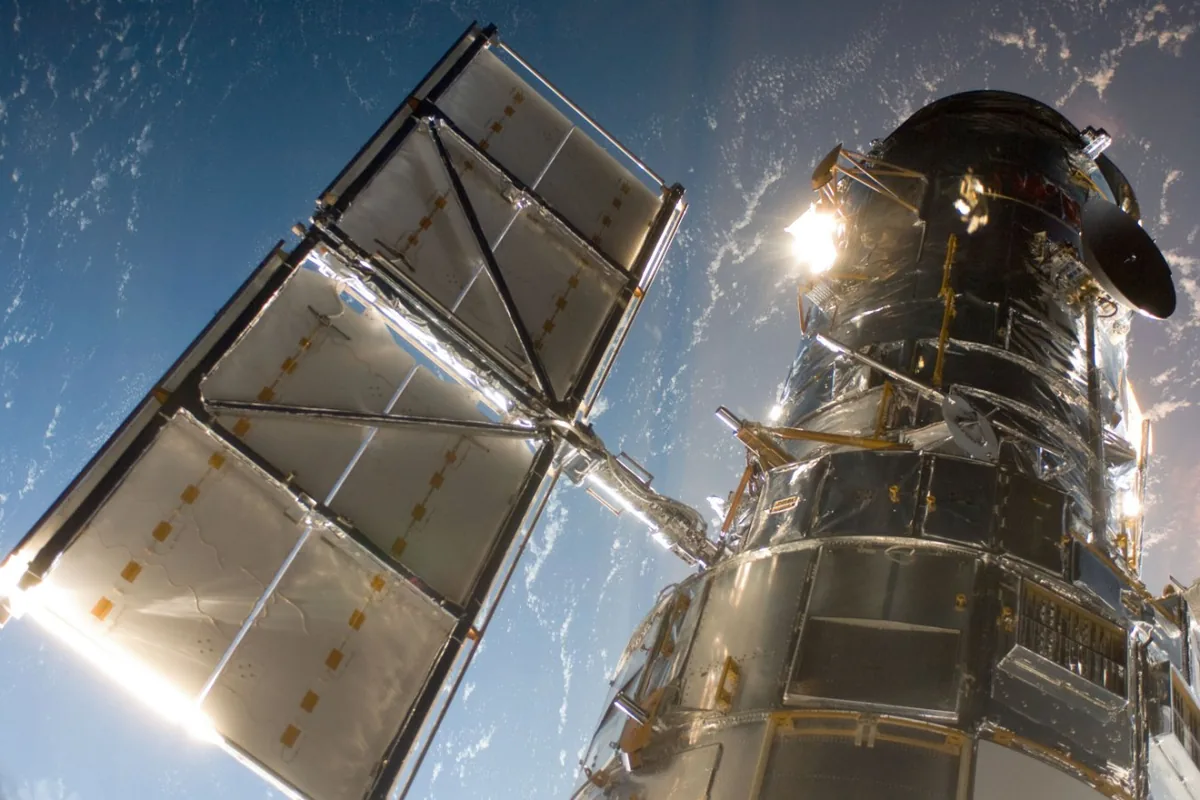
The Uncertainty Facing the Hubble Space Telescope
The Hubble Space Telescope, one of history's most productive astronomical observatories, is facing a critical orbital decline. Reports indicate that the iconic space telescope is projected to undergo a fatal re-entry into Earth's atmosphere around the year 2032. After decades of groundbreaking discoveries, the gradual decay of Hubble's orbit poses an urgent technical challenge for space agencies and researchers worldwide.
Orbital Decay and Technical Dynamics
Atmospheric drag in low Earth orbit is causing Hubble to gradually lose altitude over time. Without intervention, this decay will inevitably lead to the observatory burning up in the upper atmosphere. To prevent this destruction, NASA is analyzing potential ways to boost the telescope's altitude or perform orbital maintenance, thereby extending its operational lifespan and keeping its scientific instruments active.
Private Sector Involvement and Next Steps
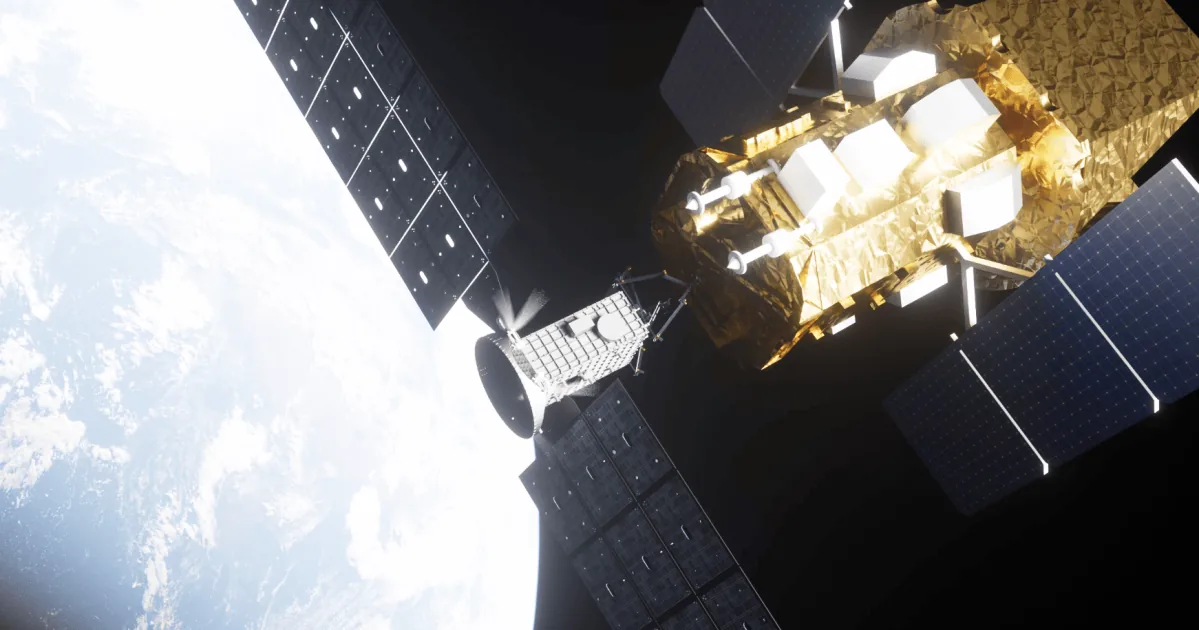
In response to the threat of re-entry, NASA has formally asked the private space sector for concepts and ideas to help save Hubble. The agency seeks innovative commercial solutions to re-boost or service the spacecraft. Submissions from private companies will shape future operational decisions regarding whether the legendary telescope can safely continue its observations into the next decade.


Comments
Loading comments...