astronews
Settings My profile TR

Space.comImportance

NASA's Voyager 1 launched second, so how did it beat Voyager 2 to a light-day by nearly a decade?

NASA's Voyager 1 launched second, so how did it beat Voyager 2 to a light-day by nearly a decade?
Image: Space.com

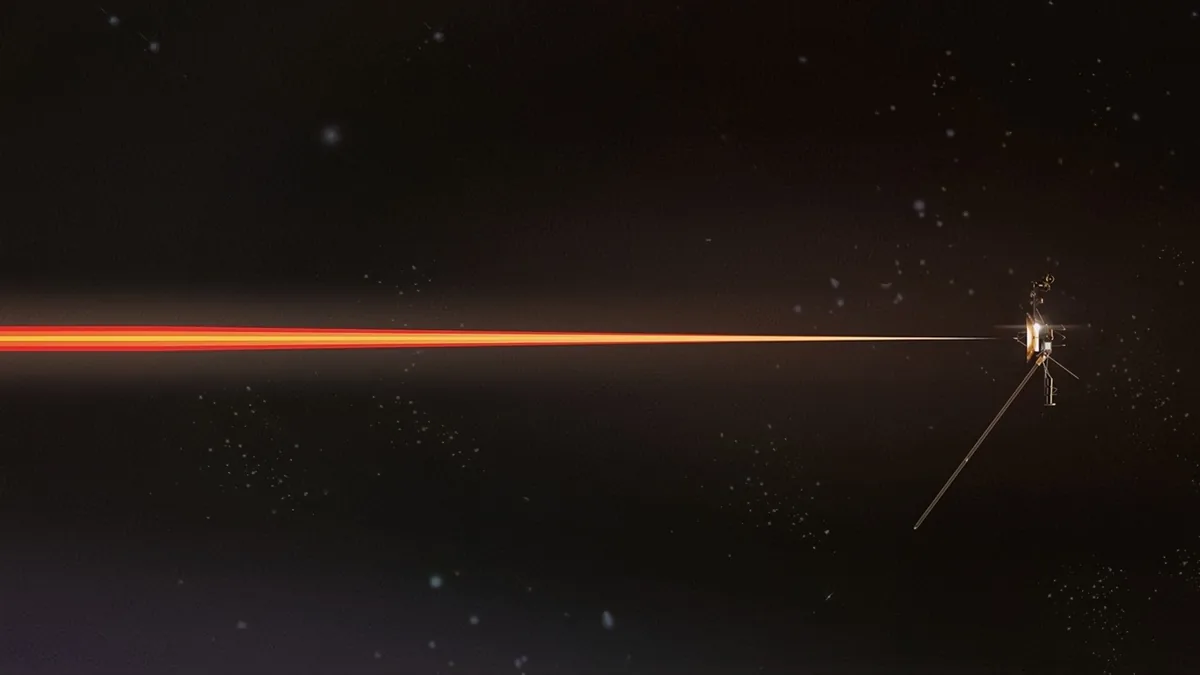
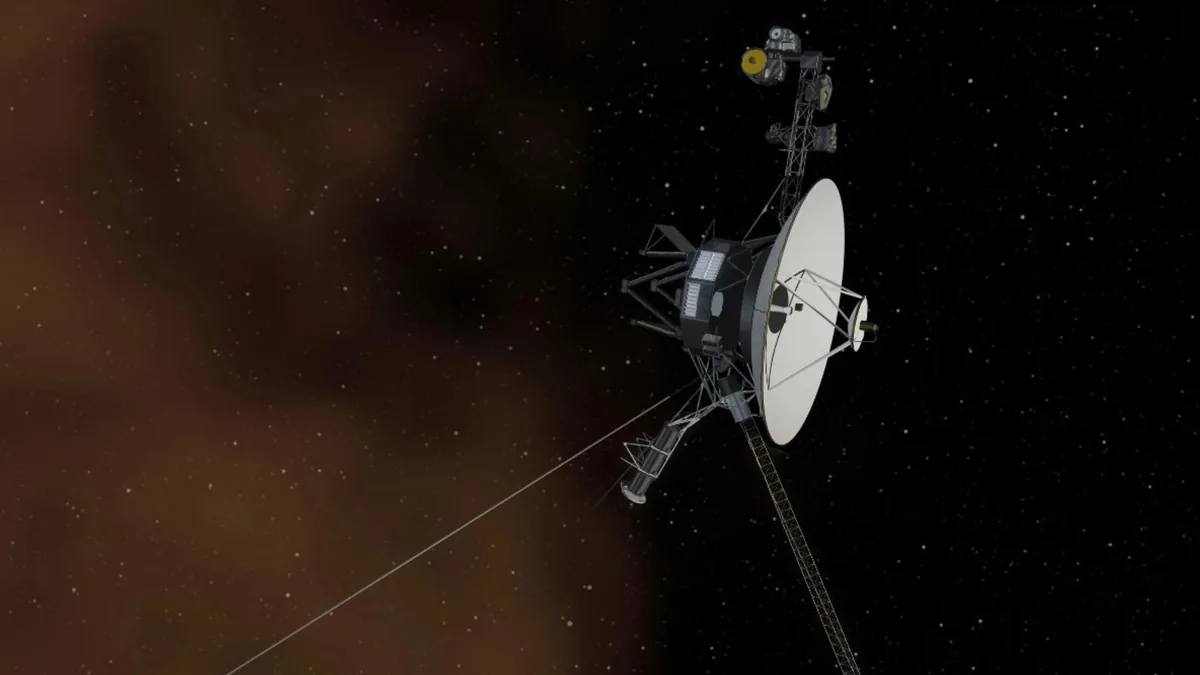
Voyager 1 reached a light-day in space, but Voyager 2 won't do the same until 2035, due to speed choices made throughout their 50-year missions. The difference in speed between the two spacecraft is due to the speed choices made during their missions.

Voyager 1 and Voyager 2 Missions

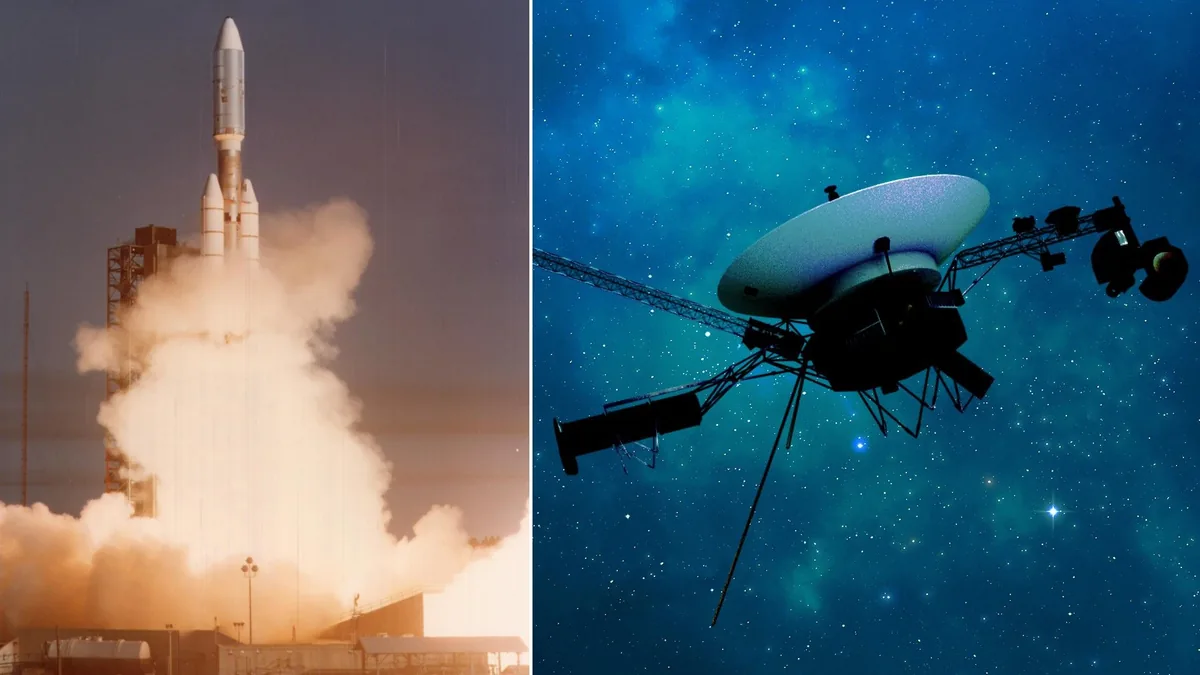
Voyager 1 and Voyager 2 are two spacecraft launched by NASA in the 1970s. Both spacecraft were designed to explore the solar system and beyond. Voyager 1, launched after Voyager 2, has traveled faster and reached a light-day sooner.

Spacecraft Speeds

The speeds of Voyager 1 and Voyager 2 have been affected by the speed choices made during their missions. Voyager 1 has taken a faster path, while Voyager 2 has traveled more slowly. This has allowed Voyager 1 to reach a light-day sooner.

Importance of the Discovery

Voyager 1's reach of a light-day is an important step in space research. This discovery provides new opportunities for understanding the solar system and beyond. It will also help determine new targets and missions for space research.
Read at source
Comment

Something wrong with this story? Report it

Comments

Loading comments...

Choose your city

Sunrise, sunset and the sky chart follow the city you choose.

Pages

NewsFeedSkyObservatorySpacecraftGalleryAcademicAssistantThe weekArchiveAboutMy profileSettings

Topics

Solar SystemMarsMoonSunExoplanetsStarsGalaxiesBlack holesCosmologyComets & asteroidsTelescopesMissionsSky eventsSearch for lifeTürkiye

Legal

Terms of UsePrivacy PolicyKVKK NoticeCookie PolicyPrivacy PreferencesFeedback