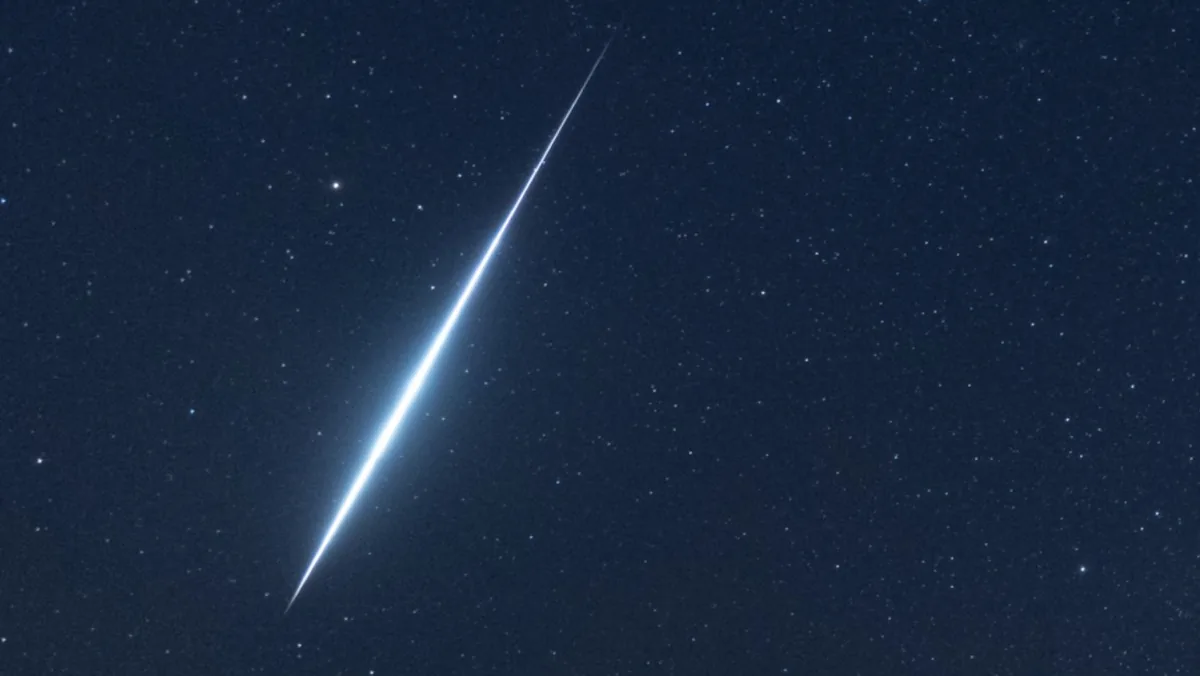
Autumn's Natural Light Show Reaches Its Peak
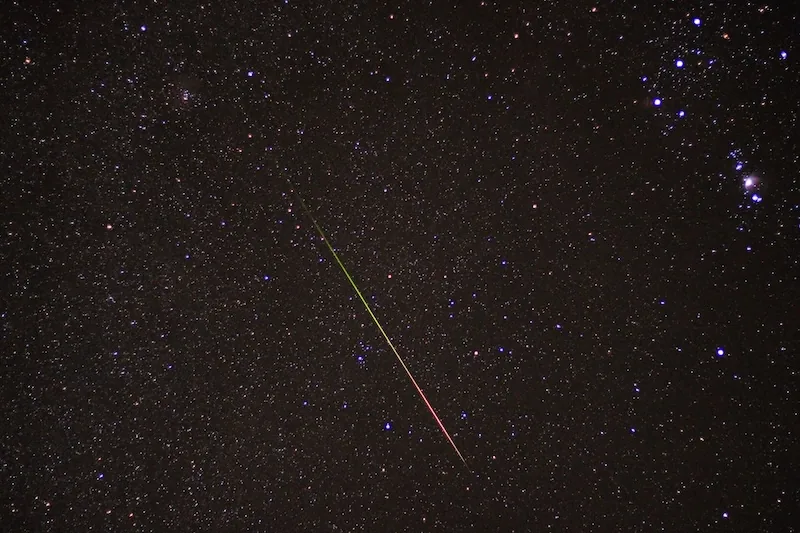
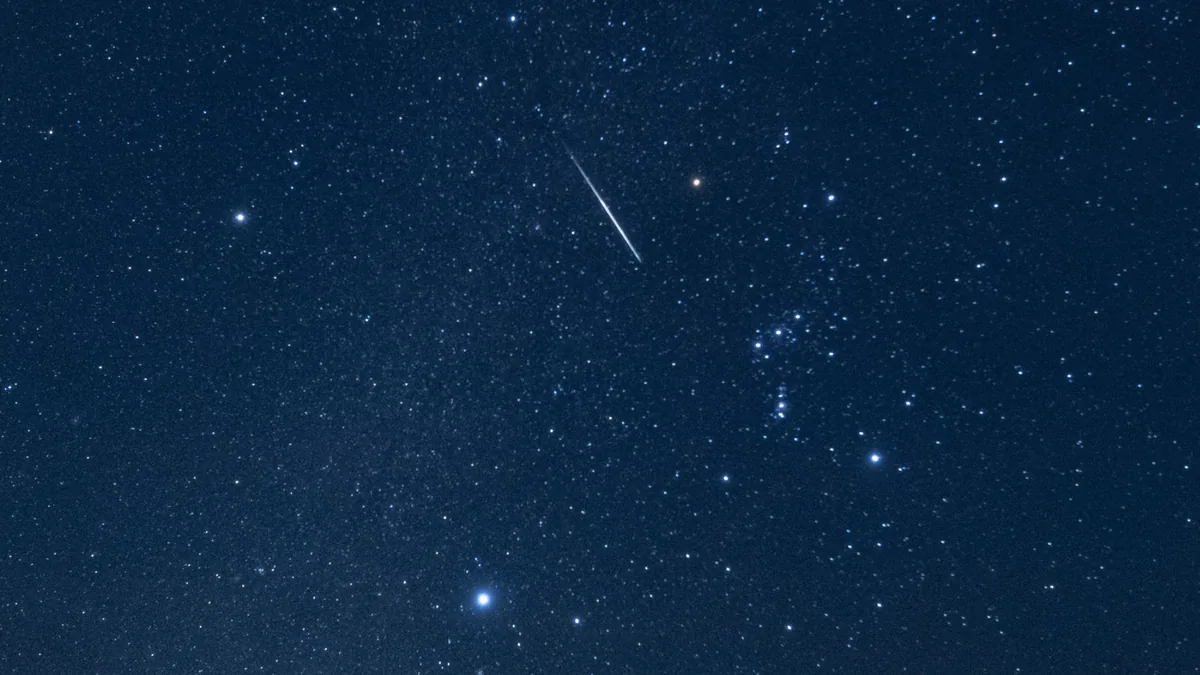
The annual Orionid meteor shower reaches its maximum activity on the night of Oct. 21-22. Recognized as one of autumn's greatest natural sky events, the shower produces swift streaks of light as interplanetary dust grains vaporize within Earth's upper atmosphere, attracting amateur stargazers and professional astronomers worldwide.
Observation Timing and the Waxing Moon
This year's peak coincides with a waxing moon, whose ambient illumination may wash out some of the fainter meteors across the night sky. However, the brighter meteors are still expected to remain visible from dark-sky locations. Observers are encouraged to seek areas away from city light pollution and allow their vision to adapt to the dark for optimal viewing conditions.
Scientific Importance of Annual Meteor Streams
Regular meteor showers provide direct opportunities to sample and track the debris trails left by small bodies across the solar system. By recording the frequency, luminosity, and trajectories of meteor events, scientists can refine models of interplanetary dust dispersal and upper atmosphere deceleration dynamics.
Comments
Loading comments...