
The Artemis Program and Ground Systems Operations
NASA's ambitious Artemis program, aimed at landing humans on the Moon once again, relies on far more than just massive rockets and spacecraft. The flawless execution of the intricate infrastructure spanning from the launch pad to the firing room is vital for astronaut safety. At the center of this monumental effort is Allison Mjoen, who serves as an operations manager within NASA's Exploration Ground Systems Program.
Mjoen and her technical teams shape the core architecture of ground operations required to send humans into deep space. Based at NASA's Kennedy Space Center, these preparations ensure that every mechanical component and timeline functions in absolute synchronization prior to liftoff.
The SLS Rocket and Supercooled Propellant Handling
The operational awakening of NASA's Space Launch System (SLS) rocket begins when supercooled cryogenic liquid hydrogen and liquid oxygen flow into the core stage. Managing these ultra-cold propellants, balancing core pressures, and monitoring for leaks represent the most demanding engineering phases of any launch countdown.
When the SLS engines ignite, the tremendous thrust unleashed is the culmination of years of meticulous ground system testing. The seamless execution of these fueling procedures provides the essential stability and reliability required for flight clearance.
Paving the Way for Human Deep Space Exploration
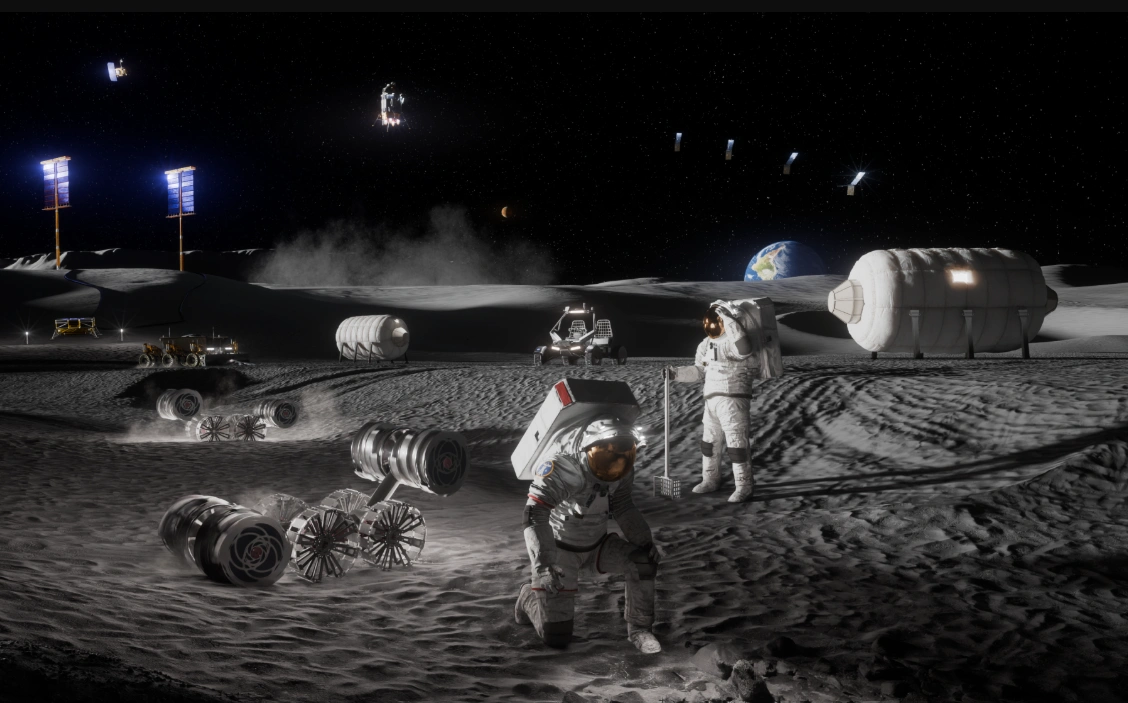
The robust ground operations and integrated systems developed under this program establish the foundation for a sustainable human return to the lunar surface. Each milestone achieved on the launch pad enhances operational flexibility and safety margins for upcoming crewed missions.
Safely launching humans into the cosmos is inextricably linked to ground operational excellence. The protocols overseen by Mjoen not only secure lunar mission success but also forge the operational blueprint required for future crewed journeys to Mars.


Comments
Loading comments...